Elsevier, Energy Research and Social Science, Volume 77, July 2021
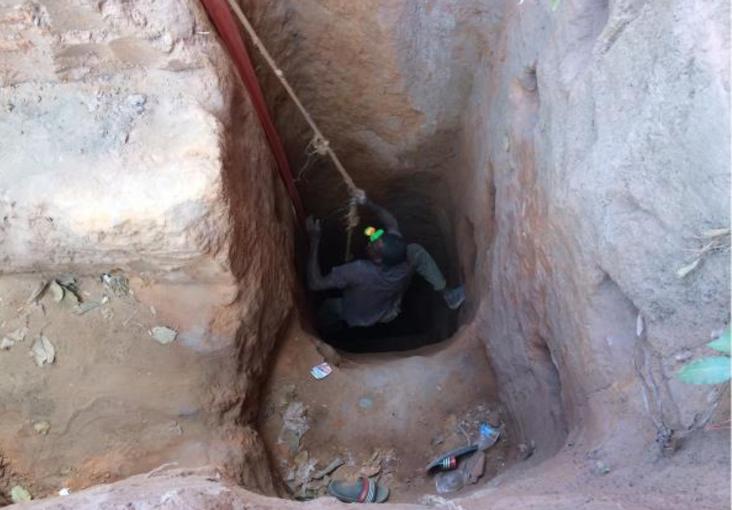
Globally those in slavery, though small in absolute numbers (est. 40.2 million), contribute disproportionately to environmental destruction and carbon emissions.
Wetlands provide ∼$47.4 trillion/year worth of ecosystem services globally and support immense biodiversity, yet face widespread drainage and pollution, and large-scale wetlands restoration is urge
Elsevier, International Journal of Greenhouse Gas Control, Volume 108, June 2021
Carbon capture and storage can help achieve the sustainable development goals. It is a key enabler of goal 13 relating to combating climate change. It also enables provision of affordable energy and decarbonisation of industry. The capturing process has both positive and negative interactions with most sustainability goals.
Elsevier, Energy and Buildings, Volume 241, 15 June 2021
The pre-use stage (construction) emissions of buildings occur in a short time. Wooden buildings seem to emit less compared to concrete ones in pre-use stage according to LCA. Green building certificates need to consider embodied emissions more exhaustively.
Elsevier, Current Opinion in Green and Sustainable Chemistry, Volume 29, June 2021
Microplastic pollution has sparked interest from researchers, public, industries, and regulators owing to reports of extensive presence of microplastics in the environment, household dust, drinking