COP30 at a Glance
Key Outcomes and Insights from the 2025 Global Climate Summit


The 30th Conference of the Parties (COP30) of the UN Framework Convention on Climate Change (UNFCCC) officially began on 10 November 2025 in Belém, Brazil. The presidency was handed over from H.E. Mukhtar Babayev to André Aranha Corrêa do Lago, following Azerbaijan’s hosting of COP29 in November 2024. In his opening address, UN Climate Change Executive Secretary, Simon Stiell, outlined key implementation priorities and called for the acceleration of US$1.3trn in climate finance. He also released an update to the UN Climate Change Secretariat’s 2025 Nationally Determined Contributions (NDC) synthesis report. In addition, UN experts issued a statement calling for COP30 negotiations to align with the International Court of Justice (ICJ)’s Advisory Opinion on climate change, while the EU endorsed a global statement advocating for the adoption of a Gender Action Plan.
Opening Day


Brazil's President Luiz Inacio Lula da Silva attends the Opening of the General Plenary of Leaders during the United Nations Climate Change Conference COP 30. Foto Rafa Pereira./COP30
Brazil's President Luiz Inacio Lula da Silva attends the Opening of the General Plenary of Leaders during the United Nations Climate Change Conference COP 30. Foto Rafa Pereira./COP30


High-Level/Ministerial Event “Indigenous Adaptation. Photo: Rafa Neddermeyer/COP30 Brasil Amazônia/PR
High-Level/Ministerial Event “Indigenous Adaptation. Photo: Rafa Neddermeyer/COP30 Brasil Amazônia/PR
Opening Remarks
In his opening remarks at COP30, President André Aranha Corrêa do Lago, highlighted the importance of collective mobilisation to advance the implementation of climate solutions. He also emphasised the need to deliver on adaptation commitments and integrate climate policy with economic development.


COP30 President, André Aranha Corrêa do Lago
COP30 President, André Aranha Corrêa do Lago
In his opening speech at COP30, UN Climate Change Executive Secretary, Simon Stiell, noted that global emissions have begun to decline, as a result of government policies and market action but urged faster implementation of existing climate commitments. He emphasised that while governments have already committed to transitioning away from fossil fuels, the focus must now shift to ensuring a fair and orderly implementation, including accelerating efforts to triple renewable energy capacity and double energy efficiency. Stiell also referenced the pledge to mobilise at least US$300bn in climate finance and emphasised the need to implement the ‘Baku to Belém Roadmap’ to progress towards the US$1.3trn climate finance target. He further called for agreement on adaptation indicators to support progress on the global adaptation goal and for activation of the agreed Technology Implementation Programme.
I’m not saying we’re winning the climate fight. But we are undeniably still in it, and we are fighting back. Here in Belem, nations chose solidarity, science, and economic common sense.”
UN experts call for COP30 climate negotiations to align with ICJ Advisory Opinion
UN experts issued a statement at the opening of COP30, calling on States to conduct negotiations in line with the ICJ’s Advisory Opinion on climate change, published on 23 July 2025 (see LNB News 24/07/2025 5). The experts emphasised that the ICJ has affirmed States’ stringent due diligence obligations to protect the environment and the global climate system. They called on COP30 participants to advance urgent mitigation measures, including expediting the phase-out of fossil fuels and adopting new guidance for National Adaptation Plans. The experts also recommended that, following COP30, States review their NDCs to ensure alignment with their international obligations as interpreted by the ICJ.
Stiell releases update to 2025 NDC synthesis report
Stiell released an update to the UN Climate Change Secretariat’s 2025 NDC synthesis report, incorporating submissions from 113 Parties received between 1 January 2024 and 9 November 2025. The update includes analysis of 22 new NDCs communicated by 49 Parties, as well as one revision submitted since the original report’s publication on 28 October 2025. Based on the 86 NDCs submitted, the Secretariat projects that total global greenhouse gas emissions in 2035 will be approximately 12% below 2019 levels, compared to the previously projected increase of 20–48% for 2035 before the adoption of the Paris Agreement.
EU endorses global statement advocating for adoption of Gender Action Plan
The EU has endorsed a global statement on gender equality and climate action advocating for the adoption of a Gender Action Plan under the UNFCCC at COP30. The statement commits signatories to integrate gender equality across climate policies, promote women’s inclusive participation in decision-making and enhance gender-responsive finance. It also calls for addressing intersectional factors such as age, disability and income level. The statement has been endorsed by a coalition of approximately 90 countries worldwide.
Adoption of agendas by COP30 parties
Parties at COP30 adopted the agendas of the governing and subsidiary bodies. This agreement was reached on the understanding that the Presidency will conduct consultations on several contentious issues that were excluded from the agendas, including developed countries’ climate finance obligations, trade-restrictive unilateral measures and responses to the NDC synthesis report.
Day 2
Insights and Infrastructure


On 11 November 2025, the second day of the 30th Conference of the Parties (COP30) of the UN Framework Convention on Climate Change (UNFCCC), several key publications and initiatives were unveiled. UN Climate Change released the 2025 Yearbook of Global Climate Action; Multilateral Development Banks (MDBs) issued a report on climate finance; UN-Habitat published a study on urban content in third-generation Nationally Determined Contributions (NDCs) and the UN Environment Programme (UNEP) published the Global Cooling Watch 2025 report. In addition, the COP30 Presidency and UNEP launched the implementation phase of the Global Mutirão Against Extreme Heat and Brazil introduced the Multilevel Governance Solutions Acceleration Plan.


UN Climate Change publishes 2025 Yearbook of Global Climate Action
UN Climate Change has published the 2025 Yearbook of Global Climate Action , providing an overview of global progress in implementing climate initiatives. The publication reports that the number of individual actors engaging in climate action through the Non-State Actor Zone for Climate Action (NAZCA) portal has increased from approximately 18,000 in 2020 to over 43,000 in 2025, while registered co-operative climate initiatives have risen from 149 to 243 over the same period. The Yearbook presents a set of global socio-economic indicators and self-reported initiative-level indicators to monitor progress across six thematic areas: energy, industry and transport; forests, oceans and biodiversity; agriculture and food systems; resilience for cities, infrastructure and water; human and social development and cross-cutting enablers and accelerators such as finance, technology and capacity building. The socio-economic indicators showcase trends from 2015 to the present, identifying both areas of progress and remaining gaps. The initiative-level indicators illustrate how climate initiatives and coalitions can measure, track and successfully demonstrate the delivery of concrete results.
UN Subsidiary Body for Implementation reports €10.5m in outstanding 2025 contributions
The UN Subsidiary Body for Implementation has reported that €10.5m in core budget contributions for 2025 remained outstanding as of 17 October 2025, with 136 Parties yet to make their contributions in full. The total core budget for 2025 amounts to €37.1m, of which 71.6% (€26.6m) had been received by that date.
Multilateral Development Banks (MDBs) release climate finance report
MDBs have released a report titled ‘From Innovation to Impact: Building Resilience for People and Planet’, outlining metrics and methodologies for allocating resources to nature and biodiversity. The document reaffirms the MDBs’ commitment to the Glasgow goal of doubling adaptation finance from 2019 levels, noting that the banks provided over US$26bn to low- and middle-income countries in 2024. The institutions aim to increase this to US$42bn by 2030, with a target of mobilising US$120bn of their own resources alongside US$65bn in private capital.
The report also identifies persistent barriers to scaling up adaptation investment, including fiscal constraints and limited project pipelines. It calls for stronger cross-government co-ordination, clearer incentives for private-sector participation, optimised use of concessional resources and the conversion of climate strategies into actionable investment opportunities.
EU endorses global statement advocating for adoption of Gender Action Plan
The EU has endorsed a global statement on gender equality and climate action advocating for the adoption of a Gender Action Plan under the UNFCCC at COP30. The statement commits signatories to integrate gender equality across climate policies, promote women’s inclusive participation in decision-making and enhance gender-responsive finance. It also calls for addressing intersectional factors such as age, disability and income level. The statement has been endorsed by a coalition of approximately 90 countries worldwide.
United Nations Environment Programme (UNEP) publishes Global Cooling Watch 2025 report
The UNEP published its Global Cooling Watch 2025 report at COP30, finding that cooling demand could triple by 2050 under current trajectories, potentially doubling cooling-related greenhouse gas emissions to an estimated 7.2 billion tonnes of CO₂e. The report proposes adopting a ‘Sustainable Cooling Pathway’, which combines passive cooling strategies, low-energy and hybrid cooling solutions and an accelerated phase-down of hydrofluorocarbon refrigerants. This approach could reduce emissions by up to 64% below projected 2050 levels. Implementing the pathway could also save US$17trn in cumulative energy costs through to 2050 and avoid up to US$26trn in grid investments through reduced electricity demand.
COP30 Presidency and UNEP launch implementation phase of Global Mutirão Against Extreme Heat
The COP30 Presidency and the UNEP launched the implementation phase of the Global Mutirão Against Extreme Heat initiative. The initiative seeks to accelerate the adoption of sustainable cooling and heat-resilience solutions in cities worldwide, transforming the commitments made under the Global Cooling Pledge into concrete action. To date, 185 cities have joined the Global Mutirão Against Extreme Heat, while 72 nations have endorsed the Global Cooling Pledge, which targets a 68% reduction in cooling-related emissions by 2050.
UN-Habitat publishes study on urban content in third-generation NDCs
UN-Habitat has published a study titled ‘Urban Content in NDC 3.0 — A global snapshot for COP30’ analysing how 67 countries have incorporated urban climate strategies into their third-generation NDCs (NDCs 3.0). The study finds that the new NDCs contain more than twice as much urban-related information compared to previous plans. The research indicates that NDCs are transitioning from planning to implementation at city level, accompanied by a growing focus on multilevel governance to co-ordinate national and local climate actions. The study was launched during a Ministerial Meeting on Urbanisation and Climate Change at COP30, with a full technical report scheduled for release at the Thirteenth Session of the World Urban Forum in May 2026.
Brazil launches Multilevel Governance Solutions Acceleration Plan
The Brazilian Government launched the Multilevel Governance Solutions Acceleration Plan and assumed co-chairmanship of the Coalition for High Ambition Multilevel Partnerships (CHAMP) alongside Germany—the global coalition responsible for implementing the initiative. The plan aims to integrate national and subnational climate policies across all levels of government and sectors of society to accelerate the implementation of the Paris Agreement. It sets out clear implementation targets, including the formal incorporation of multilevel governance structures and mechanisms into 100 national climate plans and NDC implementation strategies by 2028, with the goal of reaching 120 plans by 2030. The initiative also aims to train 6,000 public officials and professionals in CHAMP-endorsing countries by 2028. Implementation will be led by the Brazilian Ministries of Cities and of Environment and Climate Change, with support from UN-Habitat and the CHAMP coalition. The plan will serve as the primary implementation instrument for CHAMP.
High-Level Ministerial on Water and Climate Action
At the High-Level Ministerial on Water and Climate Action, Brazil announced two Acceleration Plans: one focused on Water Management and Participatory Governance and another on Access to Freshwater for Vulnerable Communities. These flagship initiatives, launched under the COP30 Action Agenda, aim to expand access to safe water, strengthen governance and accelerate financing for adaptation. The session concluded with the adoption of the Joint Statement on Water and Climate Action, reaffirming participating countries’ shared commitment to position water at the centre of climate policy and investment priorities.
Day 3
Information, Integrity and Jobs


On 12 November 2025, the third day of the 30th Conference of the Parties (COP30) of the United Nations Framework Convention on Climate Change (UNFCCC), several key initiatives were announced. The Global Initiative for Information Integrity on Climate Change launched the Declaration on Information Integrity on Climate Change, while the Independent High-Level Expert Group on Climate Finance (IHLEG) published its fourth report outlining a pathway to mobilise US$1.3trn annually in climate finance by 2035. In addition, the Global Initiative on Jobs & Skills for the New Economy was launched, and the UN Industrial Development Organization (UNIDO) unveiled a Plan to Accelerate Solutions alongside the Belém Declaration on Sustainable Public Procurement.

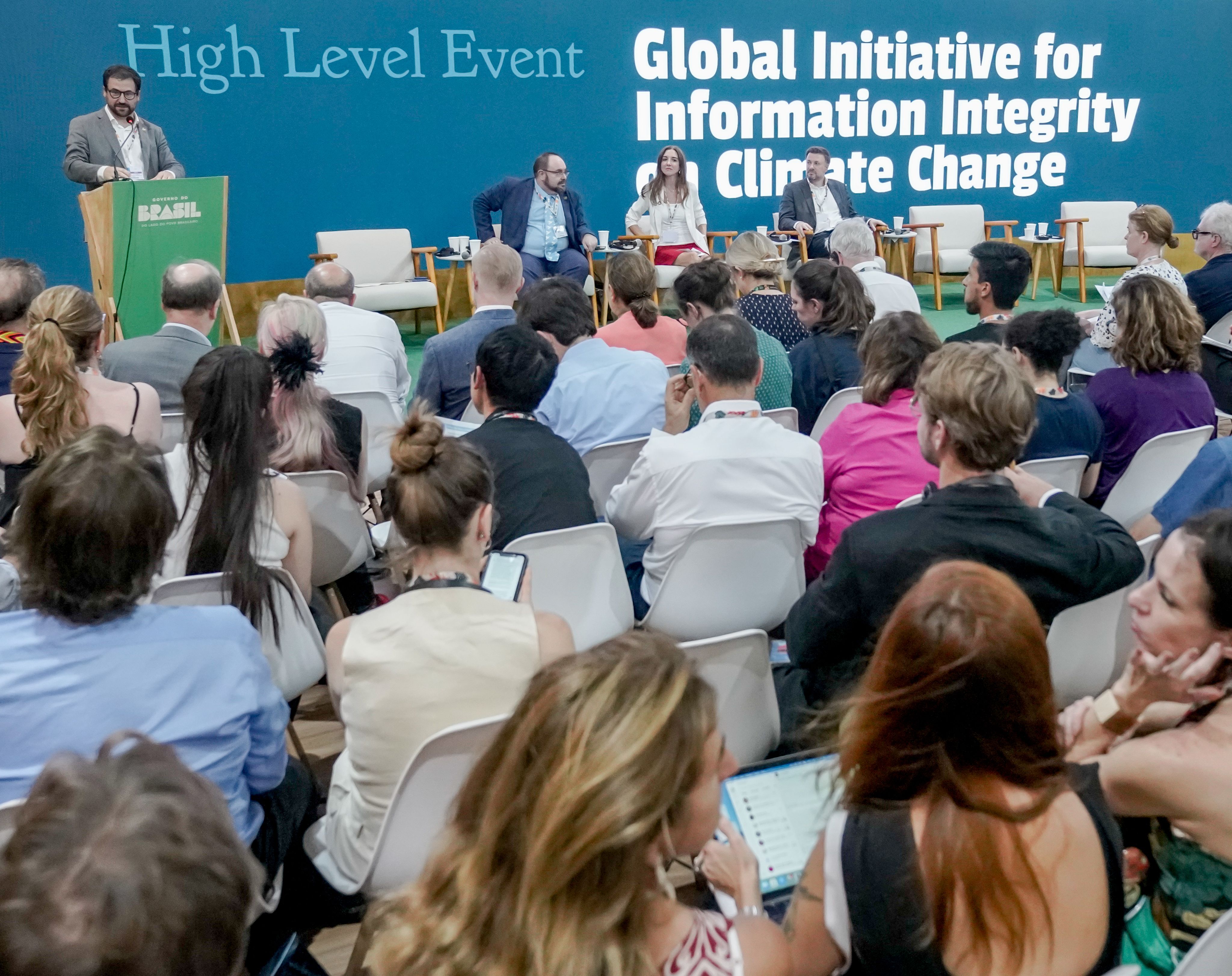


Global Initiative for Information Integrity on Climate Change launches Declaration on Information Integrity on Climate Change
The Global Initiative for Information Integrity on Climate Change has launched the Declaration on Information Integrity on Climate Change , establishing a set of international commitments to combat climate-related disinformation and promote the dissemination of evidence-based information on climate issues. Ten countries have endorsed the Declaration: Brazil, Canada, Chile, Denmark, Finland, France, Germany, Spain, Sweden and Uruguay. The Declaration commits signatories to promote information integrity on climate change at international, national and local levels, in line with international human rights law and the principles of the Paris Agreement.
The Declaration further commits signatories to:
• support the development of a diverse and resilient media ecosystem to ensure accurate and reliable coverage of climate and environmental issues
• support the inclusion of information integrity commitments within the Action for Climate Empowerment agenda under the UNFCCC
• promote informed and inclusive climate action by ensuring equitable access to accurate, evidence-based and comprehensible information for all
• foster cooperation and capacity-building to counter threats to information integrity, protecting individuals who report on and research climate issues
Additionally, Belgium, Canada, Finland and Germany have joined the Global Initiative as new member countries, bringing total state membership to 13.
Independent High-Level Expert Group on Climate Finance (IHLEG) publishes fourth report outlining pathway to mobilise climate finance by 2035
The IHLEG has published its fourth report , outlining a pathway to mobilise US$1.3trn annually in external finance by 2035 for developing countries (excluding China). This supports an estimated total investment requirement of US$3.2trn per year by 2035 to achieve climate and development goals, particularly those established under the Paris Agreement. The report was prepared at the request of the COP29 and COP30 Presidencies. To reach this target, the report proposes a three-pillar strategy focused on: (1) investment and transformation; (2) building domestic foundations and (3) scaling up external finance through expanded private investment and innovative financing mechanisms such as carbon markets, Special Drawing Rights, solidarity levies and debt swaps.
Global Initiative on Jobs & Skills for the New Economy launched
The Global Initiative on Jobs & Skills for the New Economy was launched at COP30, to connect governments, industry and civil society in integrating jobs and skills into economic and climate strategies. As part of the launch, the Initiative released its Flagship Report , which estimates that the climate transition could create up to 375 million new jobs over the next decade, with adaptation activities projected to generate an additional 280 million jobs globally. Eight countries have committed to collaborate on the Initiative’s Action Plan: Brazil, Cambodia, Indonesia, Kenya, Pakistan, the Philippines, South Africa and Egypt. By 2028, the Initiative aims to bring together more than 20 countries and 40 institutions through its Plan to Accelerate Solutions.
United Nations Industrial Development Organization (UNIDO) launches Plan to Accelerate Solutions and Belém Declaration on Sustainable Public Procurement
UNIDO has launched a Plan to Accelerate Solutions around ‘Harnessing Public Procurement in High-Impact Sectors to Drive Climate Action and a Just Transition’ alongside the Belém Declaration on Sustainable Public Procurement. These initiatives aim to leverage the multi-trillion-dollar global public procurement market as a driver of climate action and to advance a just transition. In addition to Brazil, Mexico, Norway and the Netherlands have confirmed their participation in the initiative.
Day 4
Health, Waste, Trust


On 13 November 2025, the fourth day of the 30th Conference of the Parties (COP30) of the United Nations Framework Convention on Climate Change (UNFCCC), a number of significant developments were announced. Brazil announced the adoption of the Belém Health Action Plan (BHAP)—the first international climate adaptation document dedicated specifically to health, while the Climate Action Tracker (CAT) published its 2025 Warming Projections Global Update, reporting no measurable progress in global warming projections for the fourth consecutive year. In addition, the UN Environment Programme (UNEP) launched the Food Waste Breakthrough initiative, the Climate Risk and Early Warning Systems (CREWS) initiative introduced its Strategy 2030 and the Brazilian Chapter of the Global Initiative for Information Integrity on Climate Change unveiled a Statement of Commitment on Climate Information Integrity in Digital Advertising.


Brazil announces adoption of the Belém Health Action Plan (BHAP)
Brazil announced the adoption of the BHAP at COP30—the first international climate adaptation document dedicated specifically to health. The plan establishes a framework for integrating health considerations into climate strategies and aims to strengthen the health sector’s adaptation and resilience to climate change. It focuses on enhancing climate-informed health surveillance and monitoring systems, promoting evidence-based policy development and advancing capacity-building through multidisciplinary, intersectoral and participatory approaches and fostering innovation and sustainable production. The BHAP recognises the diverse national contexts of health systems worldwide and emphasises the importance of cross-sectoral collaboration to accelerate mitigation efforts that deliver health co-benefits. The plan invites voluntary endorsements from UNFCCC Parties and international organisations through formal notes verbales submitted to Brazilian embassies, while non-state climate and health stakeholders may submit statements of support. To facilitate the implementation of the BHAP, the Climate and Health Funders Coalition announced an initial investment of US$300m.
Climate Action Tracker (CAT) reports unchanged global warming projections for fourth consecutive year
CAT published its 2025 Warming Projections Global Update , reporting no measurable progress in global warming projections for the fourth consecutive year. Under CAT’s ‘2030 and 2035 targets’ scenario—which estimates the impact of submitted nationally determined contributions (NDCs) to date—the projected level of warming remains at 2.6°C, unchanged from 2024. Under the ‘pledges and targets’ scenario, which includes both 2030 and 2035 NDCs as well as net zero targets submitted under the Paris Agreement, the projected warming has risen slightly from 2.1°C to 2.2°C, largely due to the US’ withdrawal from the Paris Agreement. CAT also projects that the gap between current climate targets and the 1.5°C pathway will widen from 29 GtCO₂e in 2030 to 31 GtCO₂e in 2035. Meanwhile, CAT’s most ‘optimistic scenario’, which assumes full implementation of all announced targets, remains at 1.9°C.
UNEP launches Food Waste Breakthrough initiative
The UNEP has launched the Food Waste Breakthrough initiative in Belém, targeting a 50% reduction in global food waste by 2030 and up to a 7% reduction in methane emissions. The Global Environment Facility has committed US$3m to support a four-year global project to advance the initiative’s goals, with UNEP seeking an additional US$5m to fund 20–25 community-led innovations across Latin America and the Caribbean, Asia, Africa and the Middle East.
Statement of Commitment on Climate Information Integrity in Digital Advertising launched
The Brazilian Chapter of the Global Initiative for Information Integrity on Climate Change has launched a Statement of Commitment on Climate Information Integrity in Digital Advertising at COP30. Developed through a collaborative process led by the Network of Partners for Information Integrity on Climate Change, and supported by more than 130 civil society organisations, the Brazilian Government, the UN and the UN Educational, Scientific and Cultural Organization, the document aims to combat climate misinformation and greenwashing practices in digital advertising. The commitment outlines a series of measures for advertisers, advertising agencies and digital platforms, including:
• avoiding greenwashing
• refraining from advertising on pages that disseminate misinformation
• improving transparency across advertising chains
• labelling paid content
• supporting initiatives that promote climate literacy and responsible journalism
The launch was accompanied by the presentation of several related documents, including a Legal Action Guide for Climate Information Integrity and a Technical Note Supporting the Draft Decree on Greenwashing.
Climate Risk and Early Warning Systems (CREWS) launches Strategy 2030 with new international funding commitments
The CREWS initiative launched its Strategy 2030, which sets out plans to help climate-vulnerable nations strengthen their early warning systems. The strategy has received new financial commitments, including contributions from Luxembourg (€2m), Monaco (€700,000), Norway (US$5m), along with additional support from Canada, France, the UK, Switzerland, Finland and Germany.
Days 5/6
Energy, Industry and Finance


On 14 November 2025, the fifth day of the 30th Conference of the Parties (COP30) of the United Nations Framework Convention on Climate Change (UNFCCC), several key initiatives were announced: the World Health Organization (WHO) and Brazil published a special report on implementing the Belém Health Action Plan; the UK and Brazil launched country action plans for the Global Clean Power Alliance (GCPA) Finance Mission; the Belém Declaration on Green Industrialization was launched and ministers from ten countries unveiled the Declaration for a Global Transport Effort. On 15 November 2025, the sixth day of COP30, Brazil’s Ministry of Finance and the Green Climate Fund (GCF) announced the launch of a Country Platforms Hub. The COP29 and COP30 Presidencies also jointly convened the first implementation meeting for the Baku to Belém Roadmap and the Subsidiary Bodies adopted conclusions and recommended draft decisions on climate support measures.


Alexandre Padilha, Brazil's Minister of Health, speaks at the panel "Accelerating the Implementation of the Belém Health Action Plan" Photo by Rafa Pereira/COP30
Alexandre Padilha, Brazil's Minister of Health, speaks at the panel "Accelerating the Implementation of the Belém Health Action Plan" Photo by Rafa Pereira/COP30
Systematic Observations Financing Facility (SOFF) opens contributions for climate impact bond to address global weather data gaps
The Systematic Observations Financing Facility (SOFF) has opened for contributions to raise US$200m for a climate impact bond aimed at strengthening the systematic observation of weather and climate data. The bond aims to secure an initial capitalisation of US$200m by the end of 2026 and will support 30 Least Developed Countries (LDCs) and Small Island Developing States in meeting the requirements of the Global Basic Observing Network—the international standard for the weather and climate observations that underpin every forecast, climate action and early warning system. If fully funded, the bond could enable a five-fold increase in internationally shared weather and climate data. The Systematic Observation Impact Bond will be launched as part of the COP30 Action Agenda, with support from the Brazilian Government in its role as COP30 Presidency. Contributions will be linked to independently verified results confirmed by the World Meteorological Organization through measurable increases in internationally shared weather and climate data.
WHO and Brazil publish special report on implementing the Belém Health Action Plan
WHO, the Brazilian Government and the Brazilian Ministry of Health have jointly published the ‘COP30 Special report on health and climate change: delivering the Belém Health Action Plan ’, following the plan’s launch on 13 November 2025. The report states that over 540,000 people die each year from extreme heat and that one in 12 hospitals globally is at risk of climate-related shutdowns. It also notes that hospitals now face a 41% higher risk of damage from extreme weather events compared to 1990. Furthermore, between 3.3–3.6 billion people live in areas highly vulnerable to climate change, yet only 54% of national health adaptation plans assess risks to health facilities.
The report calls on governments to:
• integrate health objectives into Nationally Determined Contributions and National Adaptation Plans
• fund health adaptation using savings from decarbonisation
• invest in resilient health infrastructure
The Brazilian Government also released a companion report titled ‘Social participation, climate and health: a special report to support implementation of the Belém Health Action Plan ’, which focuses on enhancing community engagement in the monitoring, design and implementation of health policies.
Brazil’s Ministry of Planning and Budget launches US$1bn Amazon infrastructure financing mechanism
Brazil’s Ministry of Planning and Budget (MPO) has announced the launch of the ‘Amazônia Sempre’ Program Instrument for Resilient Cities and Infrastructure at COP30. The mechanism aims to mobilise over US$1bn to advance investments in water security, clean energy and resilient urban infrastructure across seven Amazonian countries. The initiative, led by the Amazon Network of Ministers of Finance and Planning, was formalised through a joint declaration signed by Bolivia, Brazil, Colombia, Ecuador, Guyana, Peru and Suriname, with support from the Inter-American Development Bank Group (IDB).
Separately, the MPO announced the approval of the first forest restoration guarantee in the Amazon region issued by a multilateral development bank, valued at US$15m with a 20-year duration. The guarantee will support restoration efforts in the Triunfo do Xingu Environmental Protection Area in Pará, underpinning a public-private partnership model for forest restoration concessions. The project aims to deliver 9,980 hectares of restored and conserved forests, sequester 3.7 million tonnes of CO₂ and attract over US$46m in total investment.
UK and Brazil launch GCPA Finance Mission country action plans
The UK and Brazil have launched country action plans for the GCPA Finance Mission at COP30. The plans cover the African Union , the Caribbean , Chile , Colombia and Mozambique , identifying key priority areas where the GCPA Finance Mission will support clean energy transitions through partnerships focused on transmission infrastructure and energy project readiness. The plans are accompanied by a private finance-endorsed global High-Quality Energy Investment Planning Roadmap , which outlines how emerging markets and developing economies can mobilise private finance at scale to accelerate clean energy transitions.
Alongside this, a vision statement for the GCPA supply chains mission has been published . The statement has been endorsed by the UK, Australia, Canada, Kenya, the Netherlands and Zambia, with additional support from the European Commission, the COP30 Presidency, the International Energy Agency, the Utilities for Net Zero Alliance and Chatham House. The statement sets out the mission’s ambition to build resilient clean power supply chains capable of meeting the demands of the global energy transition.
Belém Declaration on Green Industrialization launched
The Belém Declaration on Green Industrialization has been launched , securing 29 endorsements from countries and organisations, including Brazil, Germany, South Africa, the UK, Australia, Indonesia and Turkey. The declaration outlines environmental, economic and social goals intended to reshape the global landscape, drive technological innovation and establish a sustainable model of economic growth. Participating countries commit to joint efforts and coordinated actions to modernise industry and expand opportunities for developing nations within the green economy. Governments also pledge to advance technology transfer, strengthen sustainable supply chains and promote South–South cooperation to support decarbonised manufacturing across developing economies. The document further details measures to enhance cohesion and co-ordination among COP initiatives focused on transforming the industrial sector and calls for financial and technical support to implement sustainable policies globally. Consultations for additional endorsements are now underway and will remain open for the next 30 days.
Clean Energy Ministerial launches Future Fuels Action Plan under Belém 4x Commitment
The Clean Energy Ministerial has launched its Future Fuels Action Plan, serving as the primary implementation platform for the Belém Commitment for Sustainable Fuels (Belém 4x). The plan sets out 20 cross-sector actions aimed at quadrupling the global use of sustainable fuels by 2035. It focuses on demand creation, transparent carbon accounting and infrastructure development, including trade corridors to scale production globally in hard to abate sectors such as aviation, shipping, steel and cement. The plan has been endorsed by 23 countries: Andorra, Armenia, Belarus, Brazil, Cabo Verde, Canada, Chile, Guatemala, Guinea, India, Italy, Japan, Kenya, the Maldives, Mexico, Mozambique, Myanmar, the Netherlands, Panama, the Democratic People’s Republic of Korea, Sudan, the United Arab Emirates and Zambia.
UK government endorses Climate Finance Principles for Grids
The UK government has endorsed the Green Grids Initiative’s ‘Climate Finance Principles for Grids’. The principles establish a common framework to determine the eligibility of grid investments for climate finance and aim to standardise and scale investment in emerging economies. The document notes that current climate finance rules exclude over 60% of global energy transmission and storage network projects and proposes solutions to recognise the role of grid investments in decarbonising fossil fuel-dependent regions. Other institutions supporting the framework include the African Development Bank, British International Investment, the East African Development Bank, the IDB, the Climate Bonds Initiative, the Institutional Investors Group on Climate Change, the Asia Investor Group on Climate Change, the Global Renewables Alliance, Gridworks and the Utilities for Net Zero Alliance.
Declaration for a Global Transport Effort unveiled
Ministers from ten countries unveiled the Declaration for a Global Transport Effort , aimed at aligning the transport sector, the world’s second largest emitting sector, with the 1.5°C climate goal. The declaration sets targets for 2035, including a 25% reduction in overall energy demand from transport and a shift of one-third of transport energy to sustainable biofuels and renewable sources. The endorsing countries comprise Chile, Brazil, Honduras, Colombia, the Dominican Republic, Spain, Portugal, Norway, Slovenia and Costa Rica. The declaration also incorporates differentiated pathways to account for national circumstances and capabilities among participating nations.
Brazil’s Ministry of Finance and GCF announce launch of Country Platforms Hub
Brazil’s Ministry of Finance and the GCF have announced the launch of a Country Platforms Hub at COP30. The Hub has secured nearly US$4m in initial funding to support governance, coordination, knowledge sharing and early-stage national platform design through a ‘Spark Plug’ window. The Hub will operate through a lean Secretariat, supported during its incubation phase by the Africa Climate Foundation and overseen by a Steering Committee with majority representation from developing countries. In addition, thirteen countries and one region have committed to developing national platforms through the GCF Readiness Program: Cambodia, Colombia, the Dominican Republic, India, Kazakhstan, Lesotho, Mongolia, Nigeria, Oman, Panama, Rwanda, South Africa and Togo, as well as a regional platform for the Member States of the Climate Commission of African Island States.
COP29 and COP30 Presidencies convene first implementation meeting on Baku to Belém Roadmap
The COP29 and COP30 Presidencies jointly convened the first implementation meeting for the Baku to Belém Roadmap, bringing together representatives from developed and developing countries, development banks, financial institutions and civil society. Discussions focused on pathways to mobilise US$1.3trn in climate finance for developing countries by 2035. The Chief Executive Officer of COP30, Ana Toni, stated that the roadmap aims to build a climate finance system that is predictable, accessible, available and fair, prioritising the redirection of existing financial resources rather than the creation of new instruments. Elmaddin Mehdiyev, representing the COP29 Presidency, noted that the next steps for the roadmap will involve detailing specific actions to operationalise the proposed measures.
Subsidiary Bodies adopt conclusions and recommend draft decisions on climate support measures
In their closing plenaries, the Subsidiary Bodies adopted a series of conclusions and recommended draft decisions for consideration by the governing bodies of the UNFCCC, Kyoto Protocol and Paris Agreement. These cover issues such as support for LDCs, assistance for developing countries’ reporting under the UNFCCC and capacity-building, among others.
Day 7
Forests, Finance and Funds


On 17 November 2025, the seventh day of the 30th Conference of the Parties (COP30) of the United Nations Framework Convention on Climate Change (UNFCCC), the UN Environment Programme (UNEP) and the Climate and Clean Air Coalition (CCAC) published the 2025 Global Methane Status Report and the Adaptation Fund secured over US$133m in new pledges. In addition, Brazil hosted a ministerial dialogue focused on expanding financial mechanisms for global forest protection and launched a consultation on its National Industrial Decarbonisation Strategy.


COP 30 President at the "People's Summit Audience"
COP 30 President at the "People's Summit Audience"

UNEP and CCAC publish 2025 Global Methane Status Report
United Nations Environment Programme and the Climate and Clean Air Coalition have published the 2025 Global Methane Status Report, which outlines progress on global methane mitigation and further action required to meet the Global Methane Pledge. The report notes that while methane emissions continue to rise, projected emissions for 2030 under existing legislation are now lower than previous forecasts, reflecting the impact of national policies, sectoral regulations and market developments. However, the report warns that only the full-scale implementation of proven and readily available control measures will close the gap needed to achieve the Global Methane Pledge’s target of a 30% reduction from 2020 levels by 2030. It also highlights successful mitigation efforts to encourage increased global action and provides insights into the role of empirical data and the financing mechanisms needed to scale up methane abatement initiatives.
High-level ministerial dialogue on unlocking forest finance
Brazil hosted a ministerial dialogue aimed at expanding financial mechanisms to support global forest protection. The meeting brought together representatives from Colombia, Guyana, the Democratic Republic of the Congo, the UK and Norway. During the event, the Tropical Forests Forever Fund (TFFF) was officially operationalised. The TFFF has now been endorsed by 60 countries and the EU, with several additional nations, including the UK, joining the initiative as of 17 October 2025.
Guyana’s Minister of Natural Resources, Vickram Bharrat, also announced the launch of the Scaling Jurisdictional Reducing Emissions from Deforestation and Forest Degradation (JREDD+) Coalition . This initiative is designed to generate carbon credits for countries and large subnational jurisdictions, with the potential to mobilise between US$3bn and US$6bn annually by 2030. Unlike project-based funding, the model provides direct payments to states, provinces or countries for measurable reductions in deforestation, creating stable, long-term incentives to conserve forests. The Coalition’s members include tropical forest countries (Costa Rica, Ethiopia, Ghana, Guyana and Kenya), donor nations (UK, Norway and Singapore), indigenous groups (Grupo Indigena Perú) and major carbon market organisations (Emergent, Verra, ART and South Pole).
Brazil launches consultation on National Industrial Decarbonisation Strategy
Brazil’s Vice President and Minister of Development, Industry, Trade and Services (MDIC), Geraldo Alckmin, has launched a consultation on the National Industrial Decarbonisation Strategy (ENDI). The strategy positions industrial decarbonisation as a key driver of sustainable economic growth and increased global competitiveness.
ENDI is structured around four core pillars: (1) advancing research and innovation; (2) decarbonising inputs by substituting fossil raw materials and energy sources with sustainable alternatives; (3) stimulating demand for low-carbon products through mechanisms such as certifications, labels and public procurement policies and (4) expanding financing and incentives through credit instruments, tax incentives and trade defence mechanisms. The initiative supports Brazil’s goal of achieving climate neutrality by 2050.
The MDIC and the National Confederation of Industry have also signed an engagement letter, reaffirming the private sector’s commitment to reducing carbon intensity and building a more innovative, competitive and sustainable industrial base.
Adaptation Fund mobilises over US$133m in new pledges
The Adaptation Fund has received more than US$133m in new pledges to support efforts to strengthen climate resilience in vulnerable communities. Pledges include those from Germany (US$69.3m), Spain (US$23.1m), Sweden (US$13.2m), Ireland (US$11.5m), Luxembourg (US$5.7m), Switzerland (US$5.1m), Belgium’s Walloon Region (US$3.4m), South Korea (US$842,700) and Iceland (US$617,100). These contributions will directly support the implementation of the New Collective Quantified Goal on Climate Finance.
Day 8
Oceans and Biodiversity


On 18 November 2025, the eighth day of the 30th Conference of the Parties (COP30) of the United Nations Framework Convention on Climate Change (UNFCCC), the COP30 Presidency published a draft decision that forms part of the decisions expected to be adopted on 19 November 2025, calling for a ‘Global Mutirão’ to close the 1.5°C ambition and implementation gap. In addition, Brazil and France announced the establishment of a Task Force on Oceans during a high-level ministerial meeting and the Alliance for the Implementation of National Adaptation Plans was launched.


Participants attend the eighth day in the corridors of the Blue Zone of the 30th Conference of the Parties (COP30). Photo by Sergio MoraesCOP30
Participants attend the eighth day in the corridors of the Blue Zone of the 30th Conference of the Parties (COP30). Photo by Sergio MoraesCOP30


Activist Juan Carlos Jintiach, attends the “Bioeconomy Challenge: catalysing systemic action through the Bioeconomy High Level Principles” during the 30th Conference of the Parties (COP30). Photo by Aline Massuca/COP30
Activist Juan Carlos Jintiach, attends the “Bioeconomy Challenge: catalysing systemic action through the Bioeconomy High Level Principles” during the 30th Conference of the Parties (COP30). Photo by Aline Massuca/COP30
Draft decision calls for ‘Global Mutirão’ to close the 1.5°C ambition and implementation gap
The COP 30 Presidency has published a draft text that forms part of the decisions expected to be adopted on 19 November 2025. The draft decision, titled ‘Global Mutirão: Uniting Humanity in a Global Mobilization Against Climate Change’, focuses on four key areas: (1) implementing Article 9(1) of the Paris Agreement; (2) strengthening international cooperation and addressing concerns over climate-related unilateral trade-restrictive measures; (3) responding to the synthesis report on Nationally Determined Contributions (NDCs) and addressing the 1.5 °C ambition and implementation gap and (4) enhancing reporting and review processes under Article 13 of the Paris Agreement through the synthesis of biennial transparency reports.
Brazil and France launch Ocean Task Force to strengthen ocean-climate action
During a high-level ministerial meeting, Brazil and France announced the establishment of a Task Force on Oceans. The initiative seeks to integrate ocean-focused solutions into a global mechanism that accelerates their adoption in national climate plans. It builds on the Blue NDC Challenge, which encourages countries to set ocean protection targets when updating their NDCs. The Action Agenda Blue Package was also unveiled, marking a significant step towards structurally integrating ocean priorities into the global climate agenda.
Alliance for the Implementation of National Adaptation Plans launched
The Alliance for the Implementation of National Adaptation Plans (NAPs) was launched to accelerate the large-scale implementation of climate change adaptation measures. Led by the COP30 Presidency, together with the governments of Germany and Italy and the UN Development Programme, the platform aims to strengthen coordination and dialogue among stakeholders involved in NAP implementation. It will also facilitate the allocation of public and private resources to advance adaptation projects globally.
Building for Forests Acceleration Plan launched
Fifteen national governments, two local governments and more than 300 industry partners have joined forces under the Principles for Responsible Timber Construction to launch the Building for Forests Acceleration Plan. The initiative aims to promote forest-positive and low-carbon construction. The coalition seeks to engage 30 countries in adopting sustainable wood housing by 2028 and to ensure that timber construction aligns with national climate and forest strategies. Participating governments include Canada, Costa Rica, France, Germany, Japan, Kenya, Pakistan, the Republic of Korea, Sweden, Switzerland, the UK, Luxembourg, Spain, Brazil and New Zealand.
Day 9
Food, Farming and Fertiliser


On 19 November 2025, the ninth day of the 30th Conference of the Parties (COP30) of the United Nations Framework Convention on Climate Change (UNFCCC), the UK and Brazil launched the Belém Declaration on Fertilisers, while the UK and New Zealand signed a memorandum of co-operation to establish a clean energy partnership. In addition, the Resilient Agriculture Investment for Net-Zero Land Degradation (RAIZ) Accelerator was launched to support the restoration of degraded agricultural land and the Global Climate Action Agenda High-Level Event was convened to recognise progress and celebrate achievements under the redefined COP30 Action Agenda.


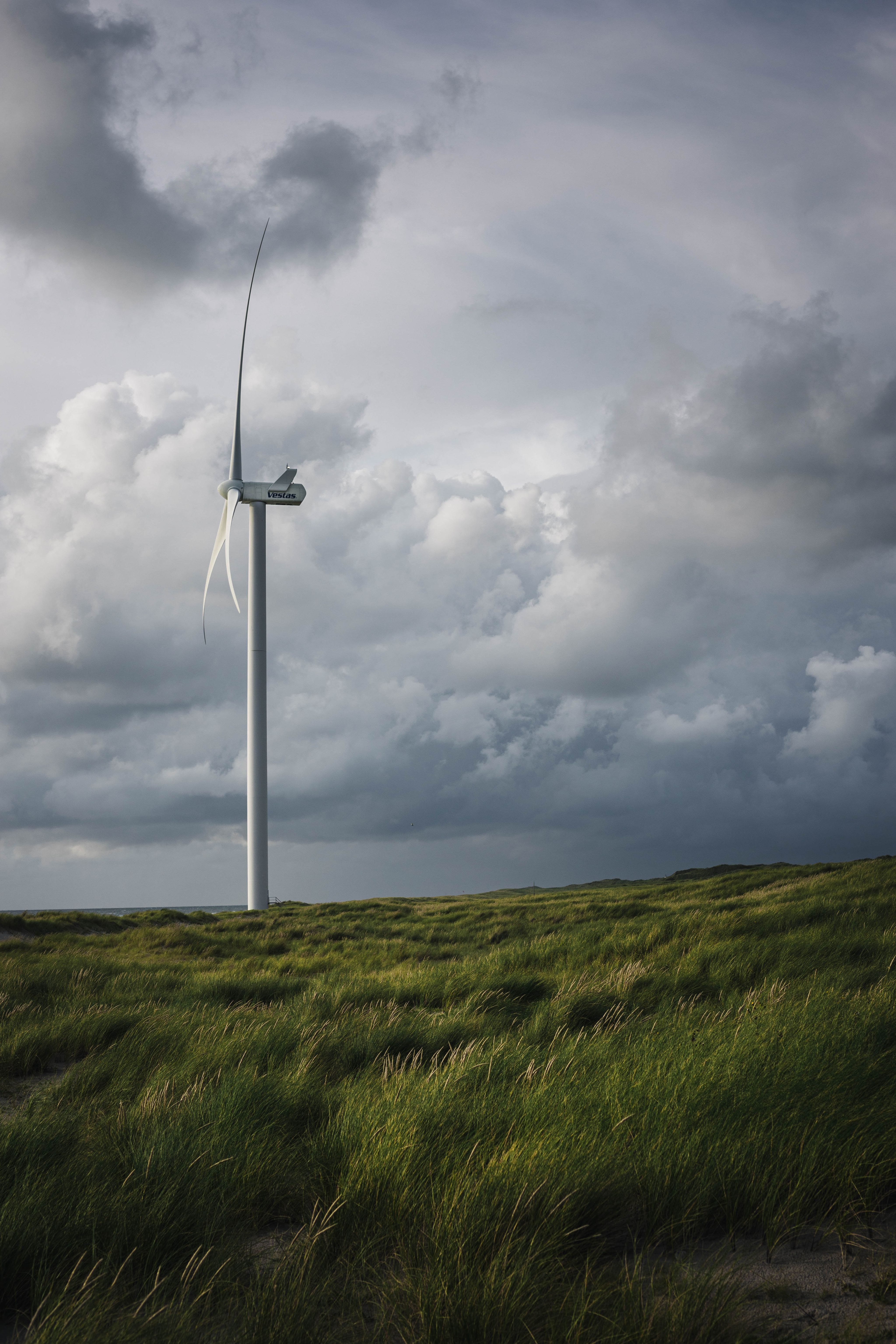
Belém Declaration on Fertilisers launched
The UK and Brazil have launched the Belém Declaration on Fertilisers , a global call to action focused on reducing the environmental impact of fertilisers while leveraging their economic potential. The Declaration highlights the importance of improving nutrient use efficiency and reducing emissions from fertiliser production as key steps towards achieving climate goals, protecting and restoring nature and ensuring equitable and sustainable global food security.
UK and New Zealand sign memorandum of co-operation on clean energy partnership
The UK Secretary of State for Energy Security and Net Zero, Ed Miliband, signed a memorandum of co-operation with New Zealand to establish a UK-New Zealand clean energy partnership, aimed at strengthening collaboration on clean energy initiatives.
RAIZ Accelerator launched
The RAIZ Accelerator was launched. Led by Brazil and supported by nine countries, including Australia, Canada, Germany, Japan, Saudi Arabia, New Zealand, Norway, Peru and the UK, the initiative will operate under the Activation Group for Key Objective 8 of the COP30 Action Agenda. It aims to help participating countries mobilise and strategically allocate public and private investments towards the large-scale restoration of degraded agricultural land.
Global Climate Action Agenda High-Level Event convened
The COP30 Global Climate Action (GCA) Agenda High-Level Event was convened to recognise progress and celebrate achievements across the redefined COP30 Action Agenda, including 117 Plans to Accelerate Solutions. The event underscored the urgency of implementation and the ongoing evolution of the GCA Agenda as a global, multisectoral framework building on past progress. It highlighted key achievements, strengthened coalitions and set forward-looking commitments to accelerate action in line with the outcomes of the first Global Stocktake.
Closing


On 21 November 2025, the last scheduled day of the 30th Conference of the Parties (COP30) of the United Nations Framework Convention on Climate Change (UNFCCC), negotiations extended into overtime. The following day, 22 November 2025, the COP30 Presidency, together with the Climate High-Level Champions, unveiled a Five-Year Vision for the Global Climate Action Agenda and released the COP30 Outcomes Report. A total of 195 Parties also adopted the Belém Package, comprising 29 consensus-approved decisions. In addition, COP accepted Türkiye’s offer to host COP31 and welcomed the arrangement between Türkiye and Australia to jointly hold the COP31 Presidency. It also accepted Ethiopia’s offer to host COP32 in 2027, marking the first time the governing bodies will convene in a least developed country.

Marina Silva, Minister of State for the Environment and Climate Change of Brazil, COP30 President Andre Correa do Lago, and COP30 CEO Ana Toni after the closing plenary meeting of the 30th Conference of the Parties (COP30). Photo by Antonio Scorza/COP30
Marina Silva, Minister of State for the Environment and Climate Change of Brazil, COP30 President Andre Correa do Lago, and COP30 CEO Ana Toni after the closing plenary meeting of the 30th Conference of the Parties (COP30). Photo by Antonio Scorza/COP30


Visitors stroll through the Green Zone corridor at the 30th Conference of the Parties (COP30). Photo by Alex Ferro/COP30
Visitors stroll through the Green Zone corridor at the 30th Conference of the Parties (COP30). Photo by Alex Ferro/COP30
COP30 Presidency unveils Five-Year Vision for the Global Climate Action Agenda
The COP30 Presidency, together with the Climate High-Level Champions, has unveiled a Five-Year Vision for the Global Climate Action Agenda and released the COP30 Outcomes Report , which consolidates progress across six thematic axes, covering mitigation, adaptation and implementation means and 30 key objectives. The vision aims to enhance coordination among governments, businesses, investors, cities, subnational regions, indigenous peoples and civil society, supporting a whole-of-society approach to accelerating delivery of the Paris Agreement. It supports the shift from negotiation to implementation through the redefined Action Agenda, which has optimised more than 480 existing climate initiatives into 117 Plans to Accelerate Solutions.
The report notes that 189 initiatives reported progress to the Non-State Actor Zone for Climate Action portal in 2025, representing a six-fold increase compared with 2024. Financial commitments announced during COP30 across the six thematic axes, as outlined in the Outcomes Report, include: (1) a US$1trn investment plan to triple renewable capacity by 2030, supported by $US148bn per year for grid and storage development; (2) renewal of the US$1.7bn COP26 land-tenure pledge, with an additional $US1.5–2bn in new funding; (3) US$9bn allocated to regenerative landscape initiatives benefitting 12 million farmers in more than 110 countries and (4) US$5.5bn for the Tropical Forest Forever Facility from 53 endorsing countries.


COP30 President Andre Correa do Lago during closing plenary meeting of the 30th Conference of the Parties (COP30). Photo by Ueslei Marcelino/COP30
COP30 President Andre Correa do Lago during closing plenary meeting of the 30th Conference of the Parties (COP30). Photo by Ueslei Marcelino/COP30
Belém Package adopted by 195 Parties
A total of 195 Parties have adopted the Belém Package , a set of 29 consensus-approved decisions addressing key themes including just transition, adaptation finance, trade, gender and technology. Key outcomes include:
• a commitment to triple adaptation finance by 2035, with developed countries expected to substantially scale up climate finance for developing nations
• the conclusion of the Baku Adaptation Roadmap, which establishes work programmes for 2026–28, until the next Global Stocktake of the Paris Agreement
• the finalisation of 59 voluntary, non-prescriptive indicators to monitor progress towards the Global Goal on Adaptation across sectors such as water, food, health, ecosystems and infrastructure
• approval of a just transition mechanism designed to strengthen international cooperation and technical assistance
• adoption of a Gender Action Plan to support national gender and climate change focal points. The Plan advances gender-responsive budgeting and finance and promotes the leadership of indigenous, Afro-descendant and rural women, among other priorities
The Mutirão Decision was also adopted, establishing two implementation mechanisms:
• Global Implementation Accelerator: a collaborative, voluntary initiative led by the COP30 and COP31 Presidencies to support countries in implementing their Nationally Determined Contributions and National Adaptation Plans
• Belém Mission to 1.5 Platform: an action-oriented platform under the COP29–COP31 troika, aimed at enhancing ambition and international cooperation on mitigation, adaptation and investment
COP30 President, André Corrêa do Lago, also announced plans to develop the Belém Roadmaps, two Presidency-led initiatives aimed at building momentum and mobilising concrete strategies and actions to support implementation of the Global Stocktake. These include the:
• Forest and Climate Roadmap: aimed at convening parties and stakeholders to identify and advance approaches to halt and reverse deforestation
• Transitioning Away From Fossil Fuels Roadmap: focused on addressing the fiscal, economic and social challenges of the transition and outlining credible pathways to expand zero and low-carbon options, taking into account national and regional circumstances
Sources