Linked to SDGs 1 and 3, this articles examines how the fallout of the COVID-19 pandemic could push 40 to 60 million people into extreme poverty, the first increase in global poverty since 1998.
The SDG Impact of COVID-19 podcast series gathers expert opinion exploring the impact of COVID-19 on the Sustainable Development Goals. In this segment, we get the view of Mark Waddington, CEO of Hope and Homes for Children.
"Before the lockdown, the lessons were the only time of day many of the women left the house." Advancing SDGs 1, 3 and 5, this article looks at how the COVID-19 pandemic has impacted the women in Iraq supported by NGO Women for Women International.
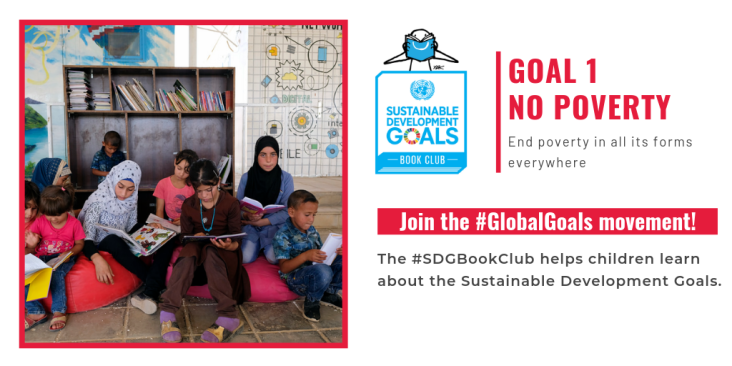
The #SDGBookClub helps children learn about the Sustainable Development Goals. The book club presents a selection of books for children aged 5-12 on each of the goals. Check out the books that have been selected in support of Goal 1 - No Poverty.
Contributing to SDGs 1 and 8, this report discusses how the adoption of pro-growth policies tends to result in lower levels of poverty, especially through opportunities for job creation. In particular, it calls for policies that promote greater access to credit and the protection of minority investors in order to reduce such levels of poverty.
Nearly 30 years on from its launch by a group of UK West Country dairy farmers, the charity Send a Cow is making a big difference to people’s lives in seven countries in Africa. With its new campaign under way, Farmers Weekly finds out what the charity hopes to achieve and how farmers abroad are benefiting with the help of their UK counterparts. Endeavours such as this support SDG 1 No Poverty, and SDG 2 Zero Hunger and are a great example of SDG 17 Partnerships for the goals in action.
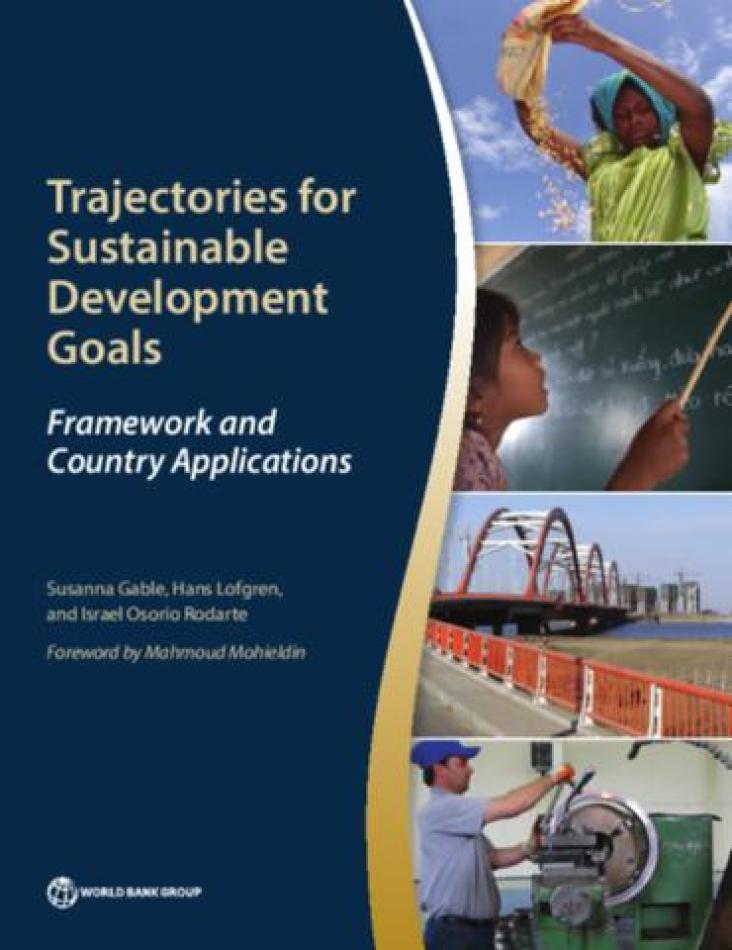
This book presents the country development diagnostics post-2015 framework, developed by the World Bank Group to assess the country-level implications of the post-2015 global agenda, as well as brief, ‘at-a-glance’ applications of the framework to ten countries: Ethiopia, Jamaica, the Kyrgyz Republic, Liberia, Nigeria, Pakistan, Peru, the Philippines, Senegal, and Uganda.
The 2015/2016 Global Monitoring Report, produced jointly by the World Bank and International Monetary Fund, details the progress the world has made towards global development goals and examines the impact of demographic change on achieving these goals.
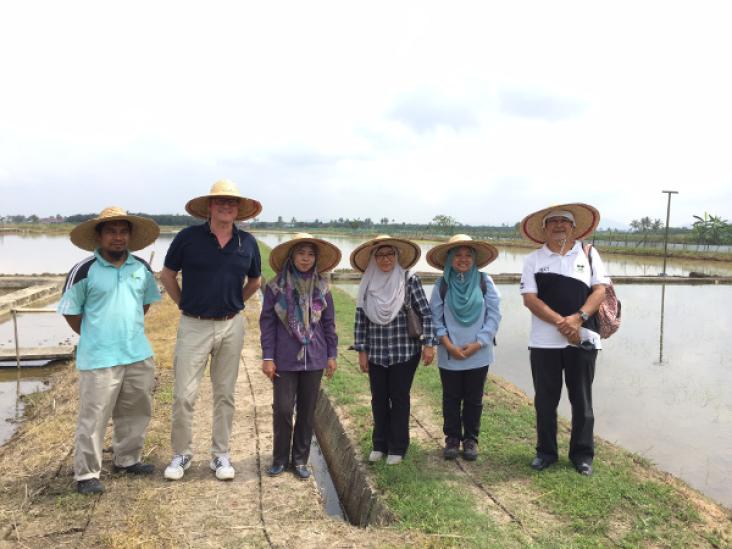
The winner of the first ever Green and Sustainable Chemistry Challenge, Dr Suzana Yusup, invited Rob van Daalen (publisher Chemistry and initiator of the Challenge) to make a site visit to see the progress of her project "Biopesticide for Improvement of Paddy Yield". The visit made clear that the Elsevier sustainability program and specifically this challenge have a positive impact on health, environment and society in local communities in Malaysia, enhancing efforts to advance SDGs 1, 6, 12 and 15.
This chapter explores how five business leadership qualities can advance SDG 1 on no poverty. All companies are linked to global poverty, particularly through their supply chains, and have a responsibility to work towards eliminating negative impacts to the Goal.