Elsevier, Research Ethics in Behavior Analysis: From Laboratory to Clinic and Classroom, 2023, Pages 63-86
This chapter advances the UN SDG Goal 3: Good Health and Goal 10: Reduced Inequalities by discussing the importance of equity, diversity, inclusion, and accessibility (EDIA) as related to research in applied behavior analysis.
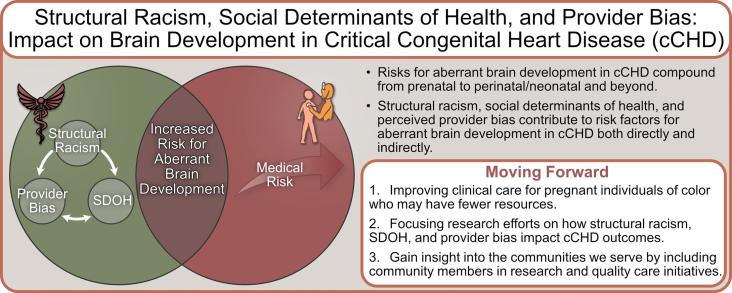
Elsevier, Canadian Journal of Cardiology, Volume 39, Issue 2, February 2023, Pages 133-143
This article explores health disparities based on the intersection of sex, geography, race, and ethnicity that have been identified for poorer pre- and postnatal outcomes in the general population, as well as those with critical congenital heart disease.
To help create awareness and observe the International Day of Persons with Disabilities (IDPD) on 3 December 2022, Elsevier is proud to showcase a special issue of freely available journal articles and book chapters to share.
An Article in support of SDGs 3, 5, and 10, showing that effective cataract surgical coverage varies widely between countries, increases with greater income level, and is higher in men.
This chapter advances the UN SDG Goal 3: Good Health and Goal 10: Reduced Inequalities by reviewing several patient, hospital, and community-based factors that promote racial and gender disparities in sepsis.
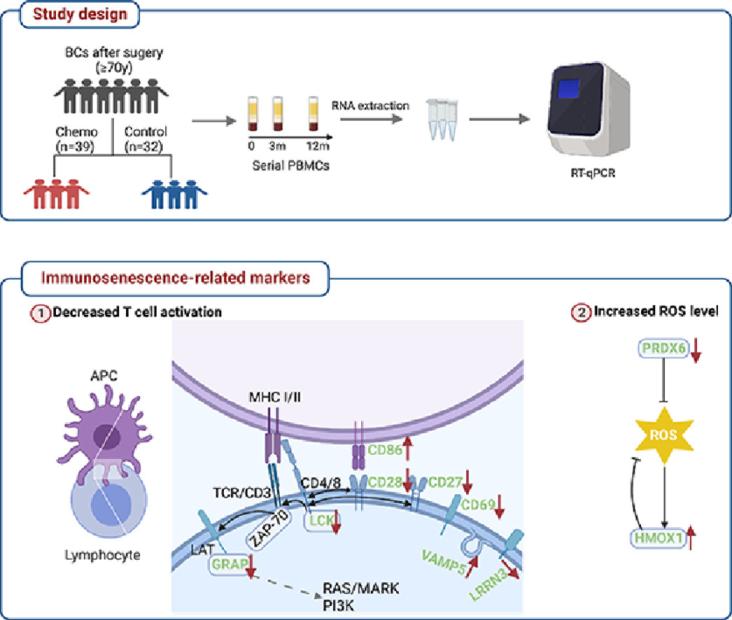
Elsevier, Clinics in Liver Disease, Volume 26, Issue 4, November 2022, Pages 571-582
This content links with Goal 3: Good health and well-being and Goal 10: Reduced Inequalities by outlining the state-of-the-art regarding the genetic architecture of PBC and thoughtful reflections on the limitations of current genetic methods
Elsevier, Hand Clinics, Volume 38, Issue 4, November 2022, Pages 385-392
This content links with Goal 3: Good health and well-being and Goal 10: Reduced Inequalities by highlighting advanced imaging and wrist arthroscopy for accurate staging and selecting of appropriate treatment.
A Guide to Managing Pregnant Women with Heart Disease
2023, Pages 78-82
This content links with Goal 3: Good health and well-being and Goal 10: Reduced Inequalities by providing underlying pathophysiology, risk factors, and early warning signs of peripartum cardiomyopathy.