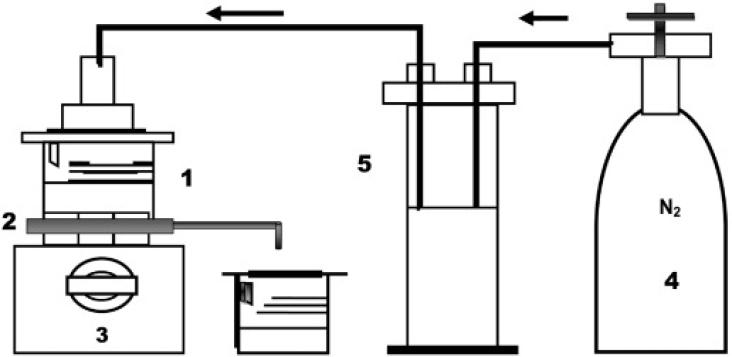
Elsevier, Results in Chemistry, Volume 2, January 2020
A cationic chelating polymer, namely biopolymer chitosan CHI with a molecular weight of 117 kDa is employed in the present study to bring about the retention of azoic dyes from its aqueous solution
Elsevier, Resources, Conservation and Recycling, Volume 152, January 2020
Circular economy strategies seek to reduce the total resources extracted from the environment and reduce the wastes that human activities generate in pursuit of human wellbeing.
Does humanity's future lie in the ocean? As demand for resources continues to grow and land-based sources decline, expectations for the ocean as an engine of human development are increasing.
Elsevier, Trends in Food Science and Technology, Volume 95, January 2020
Background: Fruits and vegetables are an excellent source of nutrients, with numerous health benefits. Most consumers are not meeting the daily recommended intake of fruits and vegetables.
Elsevier, Food and Bioproducts Processing, Volume 119, January 2020
The recovery of resources from waste streams including food production plants can improve the overall sustainability of such processes from both economic and environmental points of view.
Elsevier, The Lancet Global Health, Volume 8, January 2020
An Article in support of SDGs 2 and 12, analysing the affordability of the EAT–Lancet benchmark diets using food price and household income data for 744 foods in 159 countries, collected under the International Comparison Program.
Elsevier, Online Social Networks and Media, Volume 15, January 2020
To understand the Twitter network of an environmental and political event and to extend the network theory of social capital, the authors performed a network analysis of the English tweets during the first 10 days of the United Nations’ Conference of the Parties in Paris in 2015.