Elsevier, Organic Geochemistry, Volume 150, December 2020
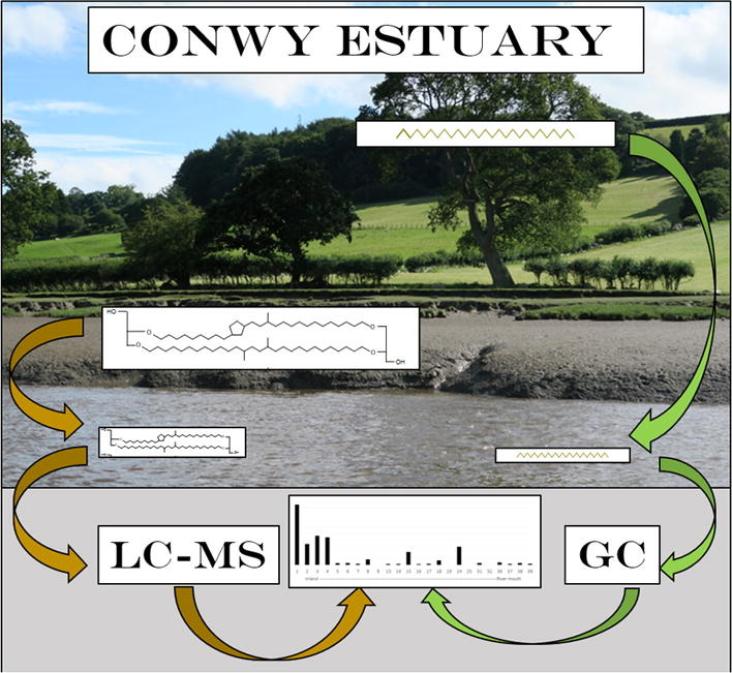
Rivers and estuaries transport vast amounts of carbon from land to oceans and play an important role in the global carbon cycle through their high rates of carbon respiration and sequestration.
Elsevier, Environment International, Volume 144, November 2020, 106067
Technology can be used to target hotspots of marine plastic pollution. The Inventory is a tool to identify plastic pollution prevention and cleanup technologies.
This book chapter addresses goals 12, 14 and 15 by discussing the debate surrounding the role of biodegradable plastics in solving plastic solid waste accumulation and assisting the transition toward a circular economy, in turn encouraging more sustainable communities and responsible consumption.
Elsevier, Galapagos Giant Tortoises, Biodiversity of World: Conservation from Genes to Landscapes, 2021, Pages 503-509
This book chapter advances SDGs 13, 14, and 15 by presenting a framework for prioritizing future conservation efforts. The chapter ends with a vision of Galapagos tortoise populations 200–300 years from now—as they follow a slow, steady path to full recovery.
Elsevier, Aquananotechnology: Applications of Nanomaterials for Water Purification, 2021, Pages xv-xxiv
This book chapter advances SDG 6 and 14 by introducing and summarizing efforts of nanomaterials research for environmental remediation--focusing on water purification
Elsevier, Comparative Biochemistry and Physiology Part - C: Toxicology and Pharmacology, Volume 235, September 2020
This article advances SDG # 15 and # 14 by looking at the potential adverse effects relatively high total mercury concentration has on the developing fetus of Steller sea lions.
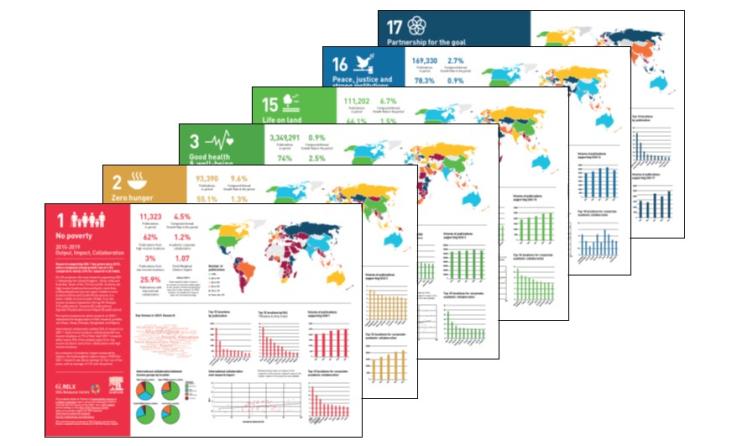
By mapping the state of research within each SDG area, this report acknowledges the pivotal role research plays in tackling some of the world’s greatest challenges. It aims to better understand the research community’s global sustainable development efforts and assesses the progress made, as well as unmet research needs.
Over the past five years, we have used data and analytics to help the research and healthcare communities navigate the sea of research and to put collaboration, both interdisciplinary and inte
This special issue explores the influence that insects and other invertebrates have on ecosystem services and the Sustainable Development Goals (SDGs), and makes a case for insect science to promote a sustainability science approach.