Elsevier, Oil Spill Detection, Identification, and Tracing, 2024, Pages 161-178
This chapter advances UN SDG goals 13 and 12 by addressing technologies that advance the detection of spills and protect marine ecology / environments as well as human health.
Elsevier, Wetzel's Limnology, Fourth Edition: Lake and River Ecosystems, 2024, pp 859-892
This chapter advances the UN SDG goals 11, 13, and 14 by reviewing the role of lakes and ponds in maintaining critical aquatic biodiversity and ecosystem functioning in the context of growing urbanization and climate change.
The authors analyse global patterns of green water fluxes (key for sustaining crops) and blue water fluxes (water that sustains aquatic ecosystems). They show that green fluxes are beginning to dominate, elevating blue water vulnerability.
Elsevier, Trends in Ecology and Evolution, Volume 38, September 2023
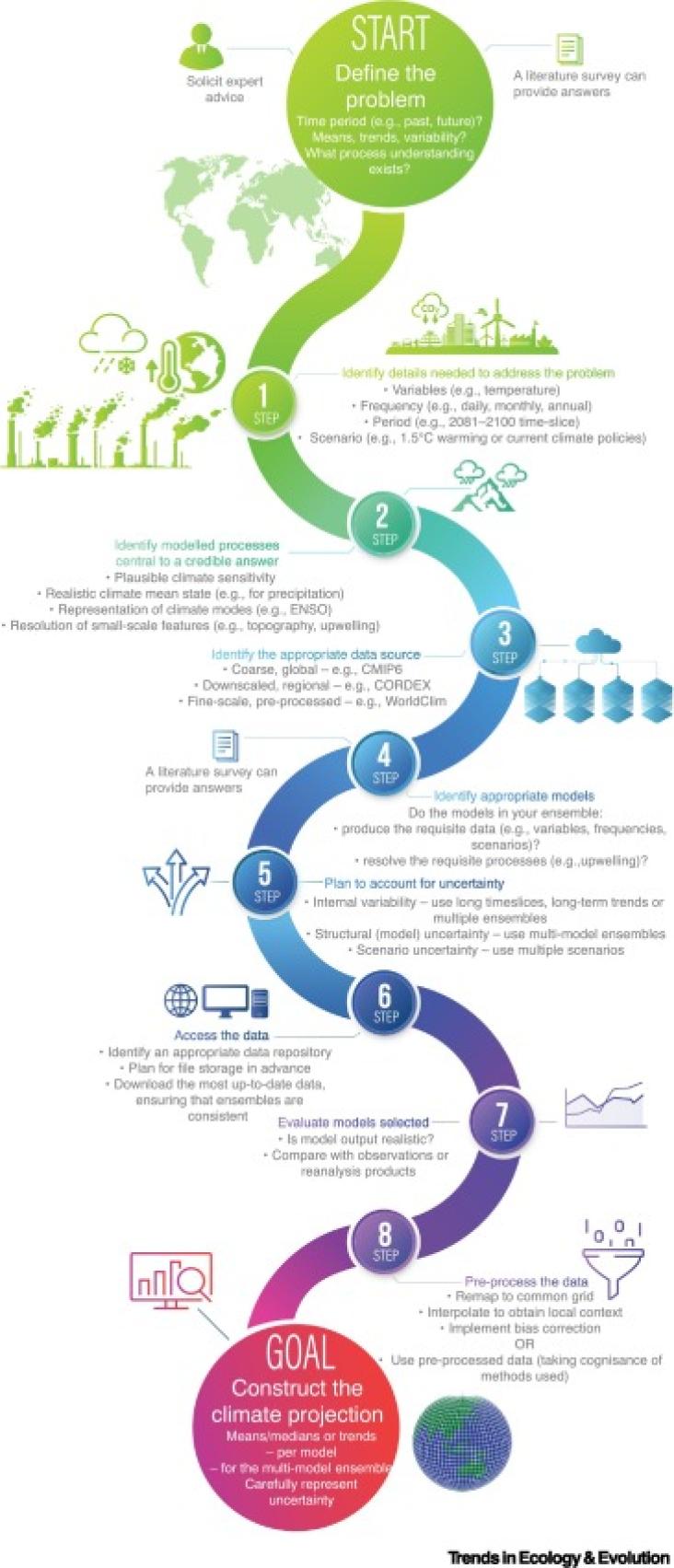
To plan for an uncertain future, life scientists are often required to use the output from climate models to develop recommendations for policy. The authors explain best practice for use of these models, this research supports SDG 2, 13, 14 and 15.
Humpback whales (Megaptera novaeangliae) in Southeast Alaska have been studied for over 50 years, and are largely considered a recovery success since the cessation of commercial whaling. To further sustain this success we need to improve our knowledge of how these giants reproduce. The authors developed an effective strategy for monitoring the hormone levels in a challenging natural environment.
Elsevier, Trends in Ecology and Evolution, Volume 38, August 2023
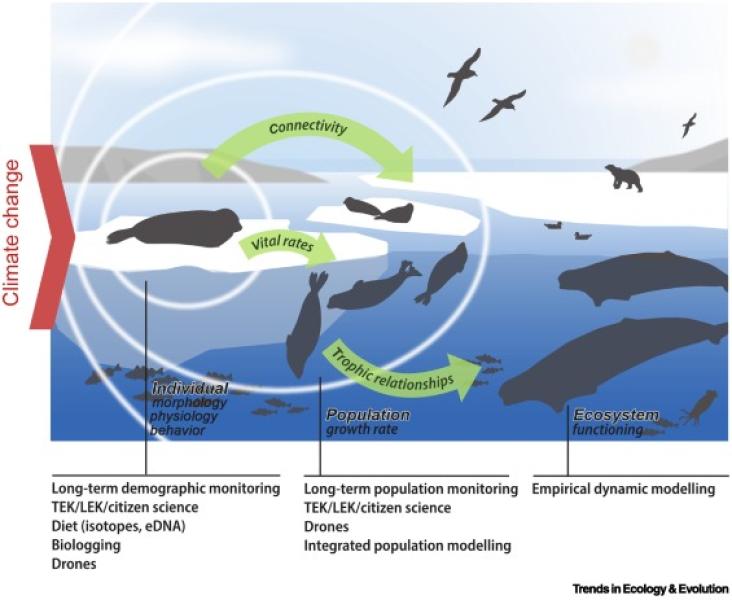
This work highlights what we know about climate change impacts that have happened and discuss future directions for research. It supports SDG 13 and 14.
Elsevier, Oceans and Human Health, Second Edition, 2024, pp 1-20
This chapter aligns with Goals 3 and 14 by explaining the connection between the health of global oceans and the health and wellbeing of human populations increasingly reliant on ocean ecosystem services.