This chapter aligns with Goal 3: Good Health and Well-being and Goal 10: Reduced Inequalities by reviewing the existing literature on body image in Indigenous populations and advocating for culturally relevant, strengths-based research approaches that respectfully incorporate Indigenous worldviews and methodologies.
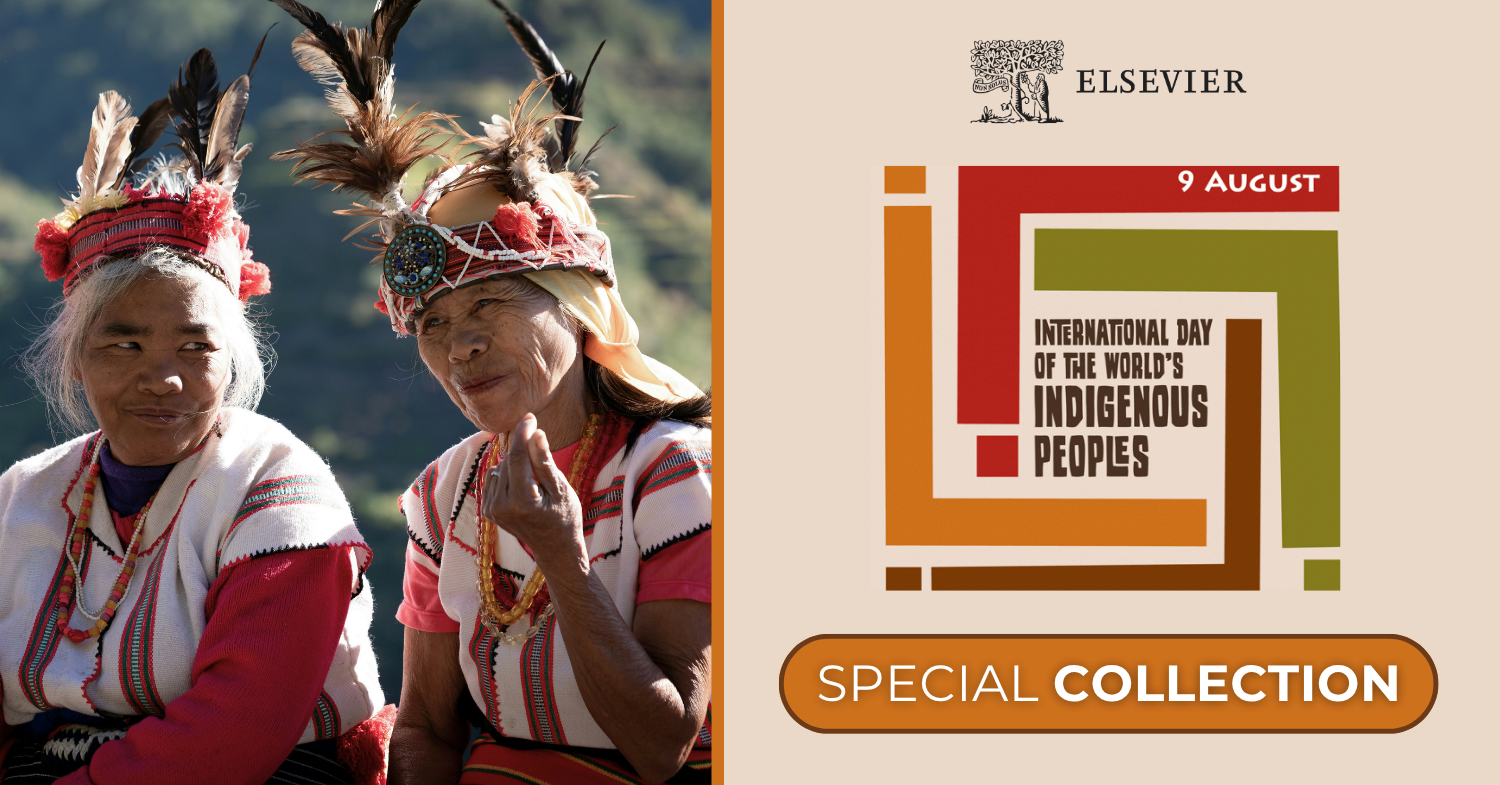
As we mark the International Day of the World's Indigenous Peoples on 9 August, this year's UN theme, "Honouring Indigenous Midwives: Safeguarding Life and Well-being," celebrates the vital role Indigenous knowledge and leadership play in building healthier, more sustainable communities.
To mark the day, Elsevier has curated a Special Collection featuring research and insights on Indigenous water resource management, environmental justice, traditional medicines, ethnoscience, climate policy and disability justice.
Elsevier, Climate Change, Public Health, and Regional Security in the Indo-Pacific, 2026, Pages 345-356
This chapter aligns with UN SDG goals 13, 10, 16, and 17 by examining how political polarization and fragmented climate governance in New Zealand hinder effective climate action and weaken regional resilience in the Indo-Pacific. It emphasizes the importance of inclusive governance, stronger Māori leadership, and regional cooperation to build climate resilience, promote climate justice, and address the security impacts of climate change.
Elsevier, Phytoceuticals in Food for Health and Wellness, Harnessing Plant Therapeutics, 2026, Pages 753-774
This chapter supports Goals 3, 2, and 15 by extensively documenting how phytochemicals provide antioxidant, anti-inflammatory, antimicrobial, and neuroprotective effects; discussing how tribal foods rich in phytochemicals address nutritional deficiencies; and emphasizing biodiversity conservation and sustainable use of medicinal plants, highlighting threats from climate change and overexploitation.
Elsevier, Ethnoscience, Insights into Nutrition and Cultural Foundations, Culinary Synergies: Exploring Nutrition and Science in Gastronomy, 2026, Pages 87-104
This chapter supports Goals 15, 4, and 11 by presenting case studies showing how traditional practices maintain ecosystem health and species diversity; emphasizing incorporating ethnoscientific perspectives in curricula to promote cultural literacy and enhance students' scientific understanding, and advocating for science education based on local cultures to improve scientific literacy and critical thinking abilities; and discussing how indigenous ecological ethics foster harmony between human activities and natural processes.
Elsevier, Ethnoscience, Insights into Nutrition and Cultural Foundations, Culinary Synergies: Exploring Nutrition and Science in Gastronomy, 2026, Pages 297-325
This chapter supports Goals 2, 3, and 15 by documenting traditional Tboli food systems that provide sustainable sources of carbohydrates, proteins, and essential nutrients; highlighting the health advantages of the Tboli diet, including lower fat intake and minimal processed additives; and emphasizing environmental sustainability through local sourcing and biodiversity stewardship.
Elsevier, Environmental and Health Issues in Unconventional Oil and Gas Development (Second Edition), 2026, Pages 289-314
This chapter supports Goals 3, 10, and 6 by documenting health impacts from oil and gas development; highlighting how oil and gas development disproportionately affects racially and socioeconomically marginalized populations, including indigenous communities; and addressing water contamination issues from oil and gas operations.
Elsevier, Energy Communities, Fundamentals, Technologies, and Emerging Trends, 2026, Pages 161-182
This chapter supports Goals 7, 1, and 10 by discussing how energy communities promote renewable energy solutions and democratization of energy access, particularly through solar and wind installations in La Guajira; discussing how energy communities serve as solutions to multidimensional and monetary poverty, demonstrating how energy access reduces energy poverty (EP) rates of 65% in La Guajira; and emphasizing advancing "equity and social justice in the electricity sector" and focusing on indigenous Wayúu communities who face historical exclusion and territorial rights challenges.
Elsevier, Advances in Chemical Pollution, Environmental Management and Protection, Volume 15, 2026, Pages 23-48
This chapter supports Goals 6, 2, and 13 by discussing how the Apatani's sophisticated water management system directly addresses water security through innovative irrigation channels, bamboo pipes, and water harvesting structures; demonstrating how the Aji-ngyii paddy-cum-fish cultivation system maximizes food security while maintaining ecological balance; and showing how the system exemplifies climate-resilient water management through adaptive strategies that address environmental challenges using predictive approaches and risk mitigation.
Elsevier, Sustainability, A Multidisciplinary Endeavour, 2026, Pages 219-268
This chapter supports Goals 2, 15, and 13 by extensively discussing traditional agricultural practices that ensure food security and quality nutrition; discussing how traditional practices are shown to preserve biodiversity, native crop diversity, the adjacent vegetation communities, and also the soil and the atmosphere; and discussing how traditional knowledge helps with climate change prevention or adaptation and explores traditional agriculture practices to address the impacts of climate change.
Elsevier, Biofabrication and Synthetic Biology in Medicinal Plants, 2026, Pages 83-91
This chapter supports UN SDG goals 15, 10, 16, and 17 by examining the limitations of existing intellectual property rights frameworks in protecting Indigenous traditional knowledge and ensuring equitable benefit-sharing from biodiversity. It advocates for more inclusive legal protections, community-based approaches, and stronger partnerships to preserve Indigenous cultural heritage, promote biodiversity conservation, and advance social equity.
Elsevier, Climate Change and Disability, 2026, Pages 41-44
This chapter supports UN SDG goals 13, 3, 10 and 16 by expoloring how climate change disproportionately affects Indigenous communities and people living with disabilities, emphasizing the intersection of climate justice, health equity, and systemic inequalities. It argues for the inclusion of disability justice within climate and environmental justice frameworks to ensure more equitable, inclusive, and resilient responses to the global climate crisis.