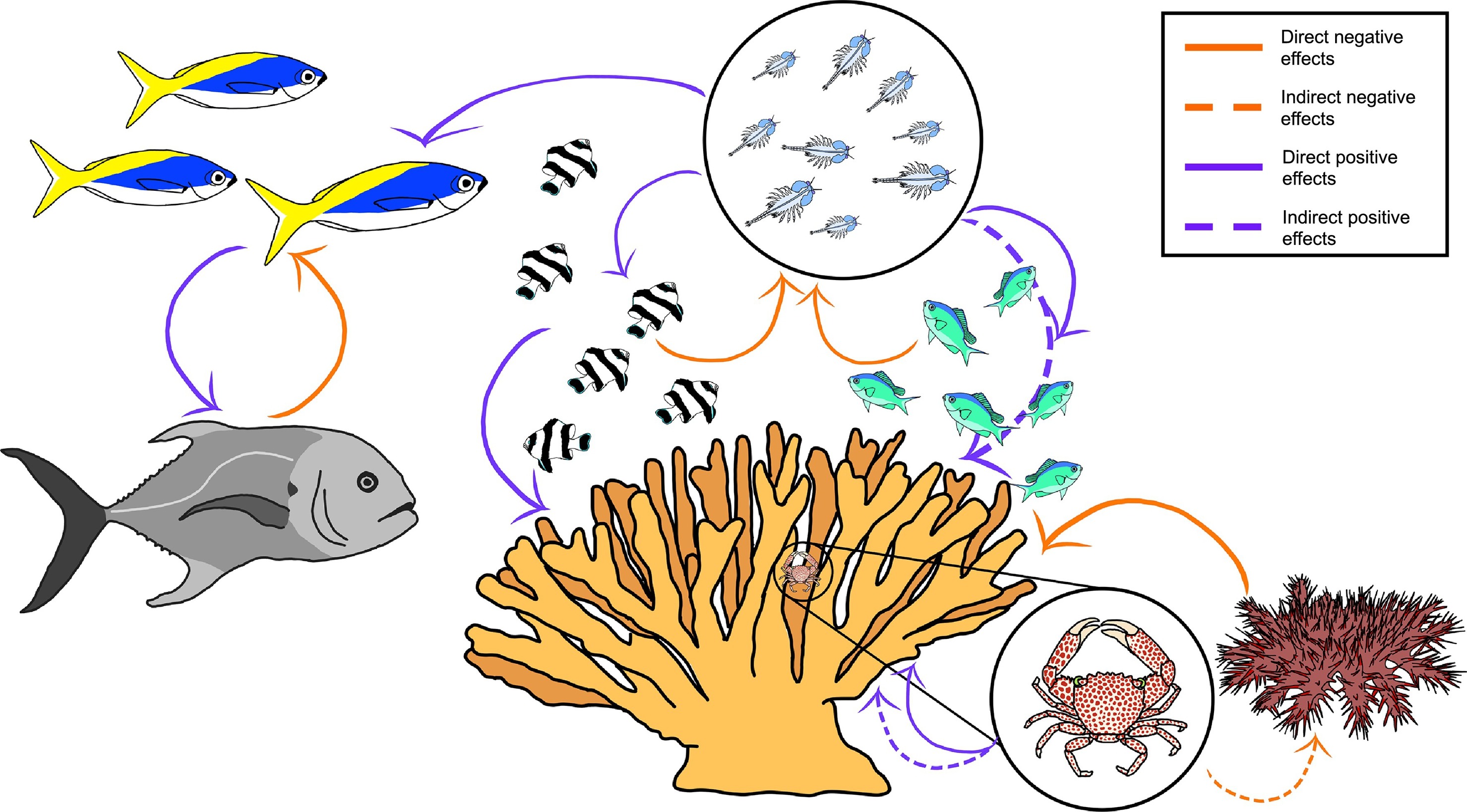
Trophic cascades are ecological phenomena that occur when there's a change in the population of a particular species, which then causes a ripple effect throughout the food chain, impacting other species in either a positive or negative manner. At its core, the idea is that an alteration at one trophic level can result in cascading effects on other levels. For instance, if a top predator is removed from an ecosystem, herbivores may proliferate, leading to overgrazing, which can then degrade the habitat and impact numerous other species. Conversely, reintroducing predators can restore balance and lead to a richer and more diverse ecosystem. The classic example is the reintroduction of wolves into the Yellowstone National Park in the U.S., which not only reduced the overpopulated elk but also triggered a series of events that enhanced the ecosystem's health, from the rejuvenation of willow and aspen trees to the return of beavers.
Understanding trophic cascades is pivotal in the context of the United Nations' Sustainable Development Goals (SDGs). The SDGs, adopted in 2015, are a set of 17 goals to address global challenges, including those related to poverty, inequality, environmental degradation, and biodiversity loss. Goal 14 and Goal 15, which pertain to "Life Below Water" and "Life on Land" respectively, have direct ties with the principles of trophic cascades. These goals emphasize the importance of sustainably managing and protecting marine and terrestrial ecosystems from degradation, including through sustainably managing fisheries and restoring degraded habitats. Overfishing, for instance, can disrupt marine trophic cascades, resulting in imbalances like algae blooms or jellyfish overpopulation, impacting not just marine life but also human communities that depend on healthy oceans for their livelihood and nutrition. On land, deforestation, and land degradation can similarly disrupt terrestrial trophic cascades, leading to issues like pest infestations or loss of soil fertility.
Furthermore, trophic cascades and the associated principles of ecosystem balance also underscore the interconnectedness of the SDGs. For instance, a well-managed ecosystem that maintains its trophic balance can contribute to other goals like SDG 1 (No Poverty) by providing sustainable livelihoods, SDG 2 (Zero Hunger) through improved food security, and SDG 13 (Climate Action) by fostering habitats that sequester carbon and buffer against climate-related shocks. Therefore, by understanding and integrating the principles of trophic cascades in our strategies, we can ensure that our efforts towards achieving the SDGs are holistic, reinforcing, and effective.
In a world where human influence has ushered in the Anthropocene era, recognizing our role in either fostering or disrupting trophic cascades is crucial. Such awareness ensures that as we strive to meet the SDGs, we do so with a nuanced understanding of ecological relationships, ensuring that our interventions are in harmony with the intrinsic balance of nature. This synergy between understanding trophic cascades and working towards the SDGs can guide humanity to a future where both people and the planet thrive in tandem.