An Article on the implementation of a culturally responsive midwifery care model for First Nations women at three major metropolitan health services in Australia, in support of SDG 3 and 10.
This article supports SDGs 5, 7 and 10 by integrating the principles of equality, diversity, and inclusivity (EDI) into all aspects to correct historical and structural inequalities, and establishing an inclusive culture to achieve the justice urgently needed for the global transition to net zero. the progress can be made in the fields of energy and artificial intelligence.
Elsevier, International Journal of Intercultural Relations, Volume 88, May 2022
Refugees need a place where both their physical and mental security is assured. This study looks at how the UN HCR program to resettle refugees is helping.
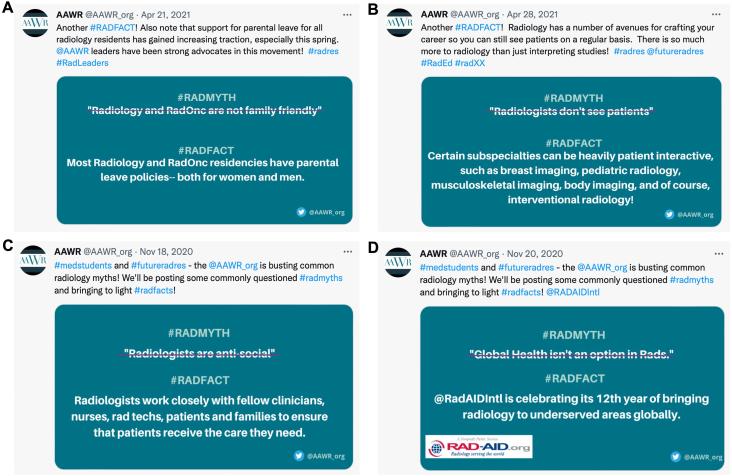
This Editorial encourages SDGs 5 and 10 by dispelling the 10 most common misconceptions about the fields of radiology and radiation oncology that deter women from pursuing these specialties.
Elsevier, Archives of Gerontology and Geriatrics, Volume 100, 1 May 2022
This study examines the impact of adverse childhood experiences on the mental health of older adults and explores the role of physical and cognitive functions as mediators. It also finds that the number of children moderates the relationship, with ACEs having a stronger effect on mental health for older adults with fewer children.
Elsevier, Archives of Gerontology and Geriatrics, Volume 100, 1 May 2022
A study in Osaka, Japan, investigated social support's effect on mental health across different age groups. The study suggests prioritizing neighbourly support in mental health interventions for the pre-old population.
Elsevier, The Lancet Global Health, Volume 10, April 2022
A viewpoint, in support of SDGs 3 and 10, discussing the general neglect within global health scholarship of the intersection between health inequities and LGBT+ populations in low-income and middle-income countries in Africa.
Elsevier, Cancer Letters, Volume 531, 10 April 2022
The largest US cancer health disparity exists in prostate cancer, with Black men having more than a two-fold increased risk of dying from prostate cancer compared to all other races. Studies on biology and access to healthcare similarly highlight the need for increased representation of men from underserved racial groups, particularly Black men, in translational and clinical research to fully comprehend and appreciate the tumour heterogeneity.