Elsevier, Critical Care Rare Disease, Volume 17, Issue 1, January 2022, Pages 13-29
This content links with Goal 3: Good health and well-being and Goal 10: Reduced Inequalities by providing insights into diagnostic access for undiagnosed and rare diseases in critical care
This content links with Goal 3: Good health and well-being and Goal 10: Reduced Inequalities by providing information on the diagnosis and management of cardiovascular involvement in Fabry Disease.
Elsevier, Handbook of Agricultural Economics, Volume 5, 2021, Pages 4481-4549
This chapter advances goals 3 and 5 by examining the complexities of gender in agriculture, how their roles differ with solutions identified for future progress.
This book chapter advances SDG #3 and #10 by reviewing the latest developments in the field of clinical diagnosis and pharmacotherapeutics have provided hope to ameliorate the behavioral changes and cognitive disturbances associated with the disease.
Elsevier, Hematology/Oncology Clinics of North America, Volume 35, Issue 6, December 2021, Pages 1181-1196
This content links with Goal 3: Good health and well-being and Goal 10: Reduced Inequalities by providing insights on rare coagulation factor deficiencies.
Elsevier, Handbook on the Toxicology of Metals (Fifth Edition), Volume I: General Considerations, 2022, Pages 137-182
In this chapter, we review the relevant scientific literature providing insights on health-related effects caused by inhalation of particulate metals, and their potential causal pathways.
Elsevier, Child and Adolescent Online Risk Exposure An Ecological Perspective 2021, Pages 255-281
This book chapter advances SDG3 Good Health and Wellbeing and SDG 10 Reducing Inequalities by reviewing existing literature examining youth with disabilities involved in cyberbullying and/or cybervictimization.
Elsevier, Polycystic Ovary Syndrome, Challenging Issues in the Modern Era of Individualized Medicine, 2022, Pages 23-38
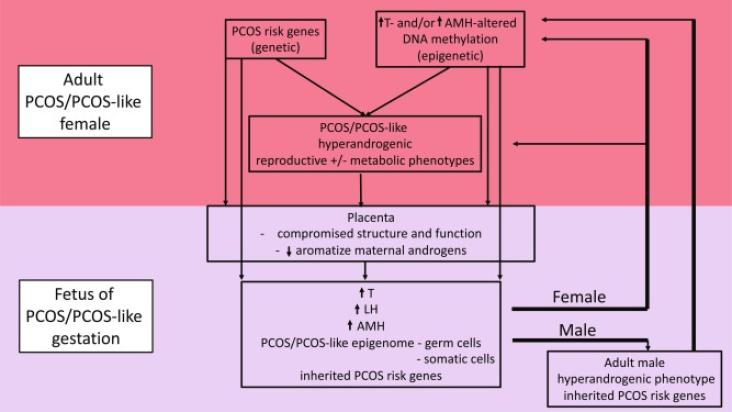
Focuses on the evidence for PCOS pathogenesis in women and underlying molecular gateways enabling its development during hyperandrogenic gestations in animal models. Support the SDG target 3.7.1 Proportion of women of reproductive age (aged 15–49 years) who have their need for family planning satisfied with modern methods.