Elsevier, Case Studies in Chemical and Environmental Engineering, Volume 3, June 2021
The widespread consumption of electronic devices has made spent batteries an ongoing economic and ecological concern with a compound annual growth rate of up to 8% during 2018, and expected to reac
Elsevier, Case Studies in Chemical and Environmental Engineering, Volume 3, June 2021
Quantification and extent mapping of seawater intrusive zones are extremely critical for coastal aquifers, especially for those impacted with anthropogenic stress.
Elsevier, Geography and Sustainability, Volume 2, June 2021
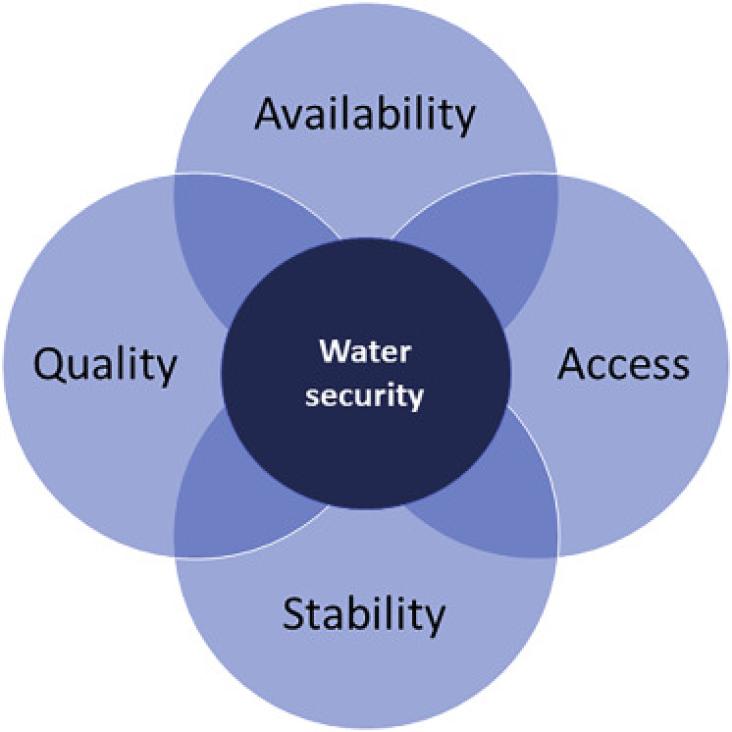
Water is the fundamental natural resource that supports life, ecosystems and human society. Thus studying the water cycle is important for sustainable development.
Elsevier, Current Opinion in Environmental Sustainability, Volume 50, June 2021
This review article assesses evidences published in the past two years on the links among slow-onset events, food security and poverty as well as the strategies focused on reducing specific problem
Elsevier, Current Opinion in Environmental Sustainability, Volume 50, June 2021
The processes of salinisation and alkalinisation of soil that caused the formation of different types of saline (halomorphic) soils are characteristic of the northern part of Serbia — the area of V
Elsevier, Current Opinion in Environmental Sustainability, Volume 50, June 2021
Climate change has affected diverse spheres and its impact is being witnessed worldwide. Soil, the basis of human sustenance, is both directly and indirectly affected by climate change.
Elsevier, Current Opinion in Green and Sustainable Chemistry, Volume 29, June 2021
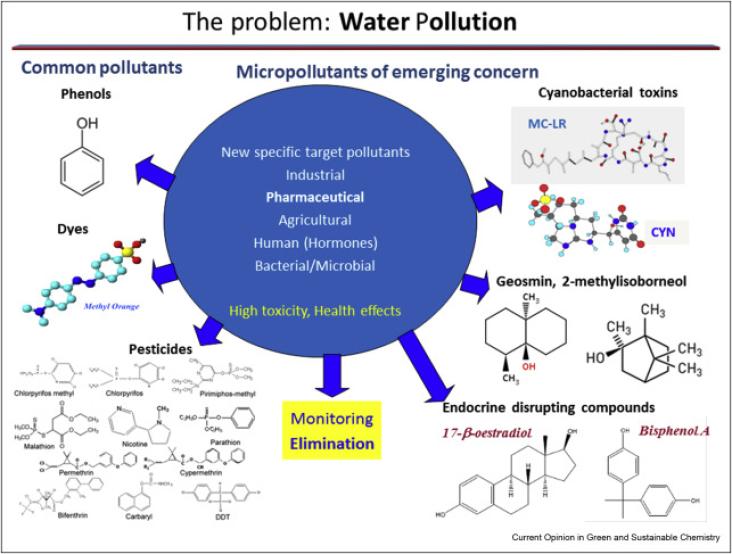
Pharmaceuticals are an important group of potential EDCs (endocryne disrupting compounds) in groundwater and surface water. Photocatalytic degradation of pharmaceuticals and organic contaminants is described for nanotubular structures.