Elsevier, Geography and Sustainability, Volume 1, March 2020
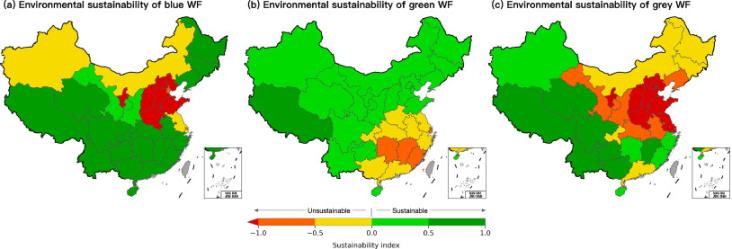
Water footprint (WF) measures human appropriation of water resources for consumptive use of surface and ground water (blue WF) and soil water (green WF) and for assimilating polluted water (grey WF
Elsevier, An Introduction to Interdisciplinary Toxicology, From Molecules to Man, 2020, Pages 353-361
The water crisis in Flint, Michigan, a human made disaster of dire proportions, resulted in bacterial and lead contamination of predominantly African American and low-income residents. SDG 6 promotes to ensure availability and sustainable management of water and sanitation for all.
Elsevier, World Development, Volume 126, February 2020
With the increasing importance of ‘emerging powers’ in the global economy, questions are raised about the role of developing countries in shaping global norms.
Elsevier, Introduction to the Chemistry of Food, 2021, pp 1-36
This chapter aligns with Goal 3: Good Health and Wellbeing and Goal 6: Clean Water and Sanitation by discussing the relationship between water content in food and management of food spoilage.
Elsevier, Results in Chemistry, Volume 2, January 2020
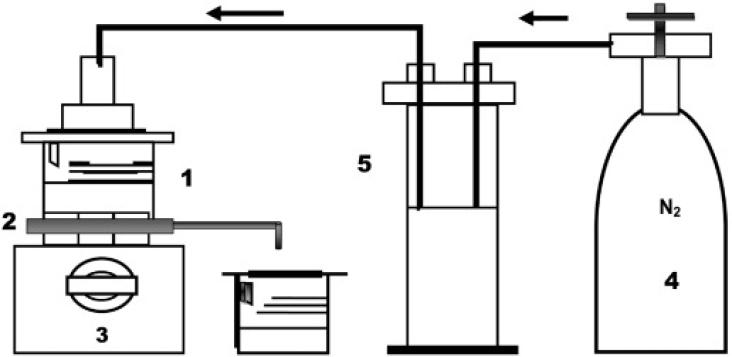
A cationic chelating polymer, namely biopolymer chitosan CHI with a molecular weight of 117 kDa is employed in the present study to bring about the retention of azoic dyes from its aqueous solution
The cost-effectiveness and reliability of waste collection services in informal settlements can be difficult to optimize given the geospatial and temporal variability of latrine use.