A new criminal corporate offence of failing to prevent facilitation of tax evasion comes into effect on 30 September 2017 in the UK. This development supports SDG 8 Decent work and economic growth and SDG 16 Peace, justice and strong institutions.
Large employers in the UK with a financial year running from April to March should be gearing up to publish their second annual modern slavery statement by the end of September 2017. Modern slavery statements support SDG 8.7 to take immediate and effective measures to eradicate forced labour, end modern slavery and human trafficking.
In July the 2017 Sustainable Development Goals (SDG) Business Forum recognised the critical role of business in delivering on the promise of sustainable and inclusive development. In this article, we elaborate on the SDG business case, and how businesses can engage with the SDG framework; driving business growth and productivity, whilst contributing to the better world envisaged by the 2030 Agenda for Sustainable Development.
Businesses with a year-end of 31 March 2016 were the first ones required to publish their modern slavery and human trafficking statements to comply with the UK Modern Slavery Act. One year later, several reports have measured and scrutinised the quality of businesses' modern slavery statements.
SDG target 8.7 is to take immediate and effective measures to eradicate forced labour, end modern slavery and human trafficking and secure the prohibition and elimination of the worst forms of child labour, including recruitment and use of child soldiers, and by 2025 end child labour in all its forms.
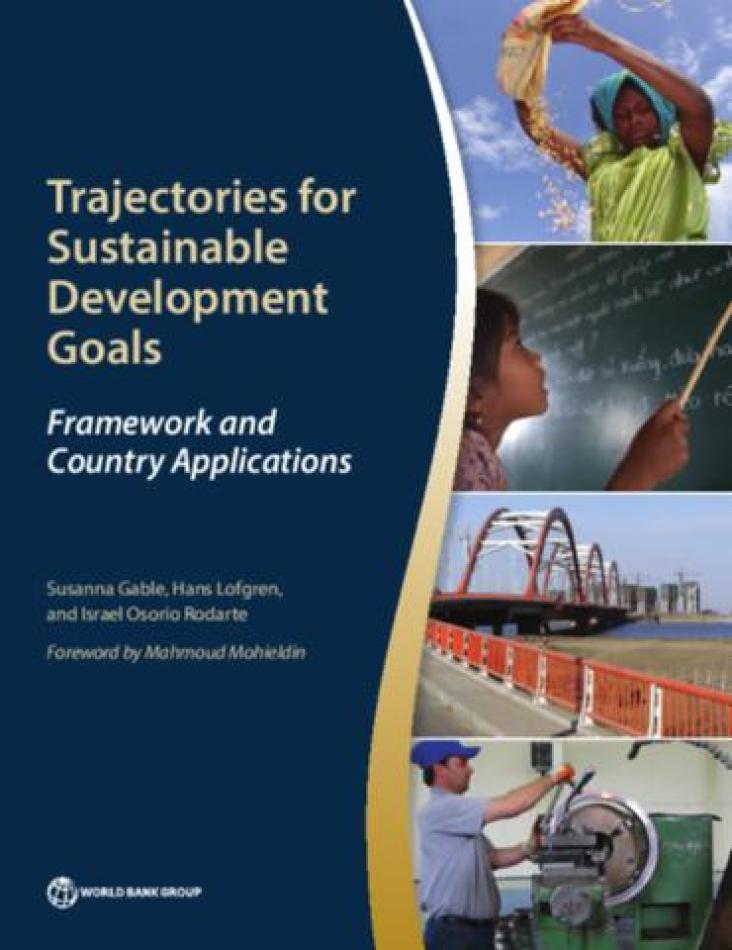
This book presents the country development diagnostics post-2015 framework, developed by the World Bank Group to assess the country-level implications of the post-2015 global agenda, as well as brief, ‘at-a-glance’ applications of the framework to ten countries: Ethiopia, Jamaica, the Kyrgyz Republic, Liberia, Nigeria, Pakistan, Peru, the Philippines, Senegal, and Uganda.
RX, World Travel Market, Responsible Tourism Blog, June 2017
Tourism and hospitality are labour intensive, with 8% of the global workforce employed in the sector. The critique of employment conditions in the sector is deeply rooted, low remuneration, anti-social hours, insecurity, limited access to training and poor career progression are charges regularly levelled at the industry. The World Responsible Tourism Awards showcases many examples of companies choosing to have inclusive labour practices.
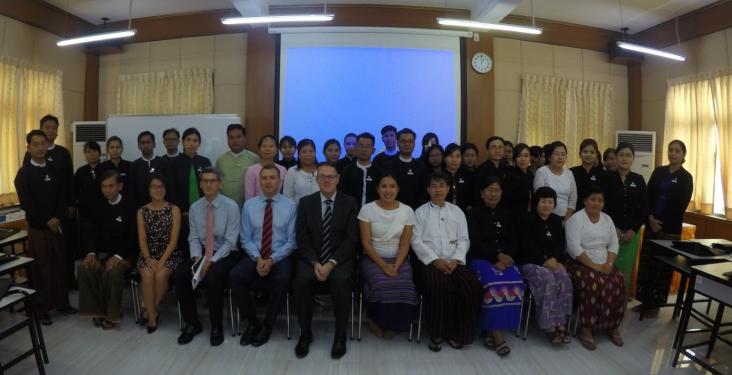
The burgeoning economy in Myanmar is creating much opportunity in the country but this is putting a strain on the judicial system which is trying to keep pace with development. The Juris Pilot addresses the need for greater knowledge of international contract law by training government legal staff. Sharing knowledge between professionals advances SDG 16.3 to promote the rule of law at the national and international levels.
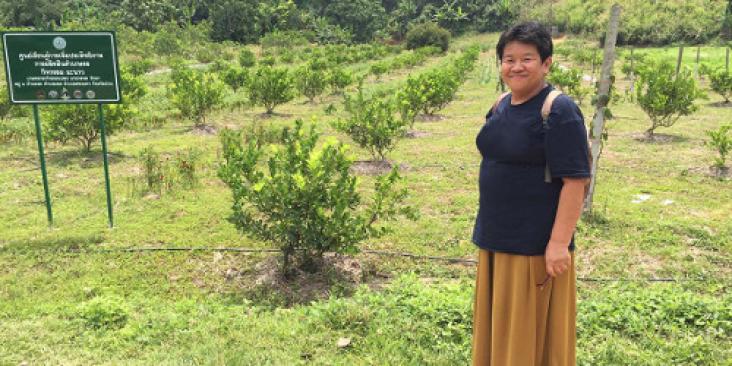
Many countries are experiencing economic benefit from a surge in tourism, but once pristine landscapes are changing and local communities rarely benefit from the tourism, and instead run the risk of losing their livelihoods. Researchers in Thailand are investigating “creative tourism” – creative, sustainable approaches to tourism, that enable producers and consumers to relate and get value from their connections. This supports the tourism elements of SDGs 8, 12 and 14.
RX, World Travel Market, Responsible Tourism Blog, May 2017
The marketing value of the concept of ecotourism is now very low, as there is very little evidence that it delivers. Many people in the developing world are unable to visit National Parks and suffer only negative impacts – loss of access for meat, fruits, thatching grass and land for agriculture. How does a consumer or tour operator identify wildlife operators and conservancies that are really making a contribution? Either to wildlife and habitat conservation or to the livelihoods of local communities to ensure that they benefit from conservation?
Four years after the Rana Plaza factory collapse, this article gives insight into the modern slavery risks in the garment industry, as well as 6 steps for companies to demonstrate their commitment to transparency. This is in line with SDG 8 Decent work and economic growth, in particular SDG target 8.7 which is to take immediate and effective measures to eradicate forced labour, end modern slavery and human trafficking and secure the prohibition and elimination of all forms of child labour.