The expansion and integration of plant-based foods into mainstream diets have profound implications for the United Nations Sustainable Development Goals (SDGs), offering a multifaceted approach to addressing some of the most pressing global challenges.
Impact on SDG 2 (Zero Hunger): Plant-based foods provide alternative sources of protein and essential nutrients, which are crucial in combatting global hunger. In areas where access to animal protein is limited or unsustainable, plant-based options can offer a viable solution. By diversifying the food supply with plant-based products, we can enhance food security and ensure a more equitable distribution of food resources. This is particularly relevant in regions facing challenges due to climate change, land degradation, or water scarcity, where plant-based agriculture may offer a more resilient and sustainable approach to food production.
Contribution to SDG 12 (Responsible Consumption and Production): The shift towards plant-based diets represents a paradigm shift in how we view food consumption and production. This transition is aligned with the principles of responsible consumption, as plant-based diets typically require fewer natural resources, such as land and water, and result in lower levels of waste and pollution. The adoption of these diets encourages a more sustainable food system that minimizes environmental degradation and promotes the efficient use of resources.
Relation to SDG 13 (Climate Action): The production of plant-based foods is generally associated with lower greenhouse gas emissions compared to animal-based foods. Livestock farming is a significant contributor to methane and CO2 emissions, two potent greenhouse gases. By reducing reliance on animal agriculture and increasing the consumption of plant-based foods, we can significantly reduce our carbon footprint and contribute to the global effort to mitigate climate change.
Support for SDG 15 (Life on Land): Plant-based agriculture has a less detrimental impact on biodiversity and ecosystems compared to animal farming. It requires less land, which can help reduce the pressure on forests and natural habitats, thereby supporting biodiversity conservation. By minimizing land use for agriculture, we can protect natural ecosystems, preserve wildlife, and maintain the ecological balance.
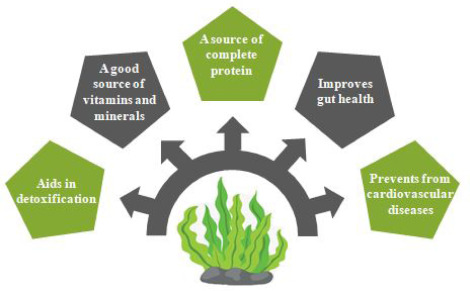
Enhancement of SDG 3 (Good Health and Well-being): Plant-based diets are often rich in essential nutrients, vitamins, and minerals, while typically being lower in saturated fats and cholesterol. This can lead to numerous health benefits, including reduced risk of chronic diseases such as heart disease, obesity, and certain types of cancer. The promotion of plant-based diets can therefore play a crucial role in improving public health outcomes and enhancing overall well-being.
The adoption of plant-based foods aligns closely with the objectives of several SDGs. It offers a holistic solution to environmental challenges, health issues, and food security concerns. As the world seeks sustainable paths towards development, the role of plant-based diets becomes increasingly important in achieving these global goals.