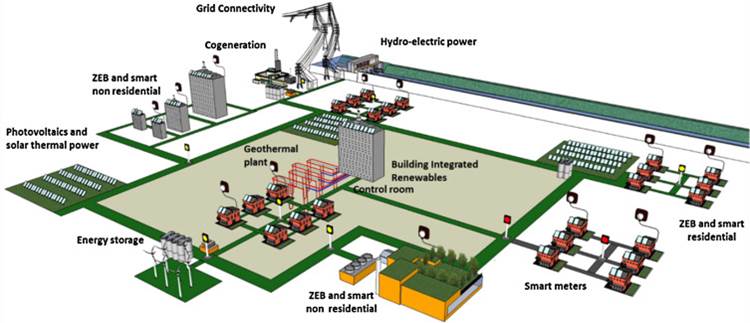
Smart grids represent a transformative leap in the management and distribution of electricity, leveraging advanced digital technology to create more efficient, reliable, and sustainable energy systems. Their significance extends far beyond mere technological advancement; smart grids are instrumental in achieving several of the United Nations' Sustainable Development Goals (SDGs), a collection of global objectives designed to address the world's most pressing challenges by 2030.
The most direct impact of smart grids is on SDG 7, which aims for Affordable and Clean Energy. By incorporating digital technology, smart grids optimize the distribution and use of electricity, leading to increased energy efficiency. This efficiency is a cornerstone in reducing energy waste, as smart grids can dynamically adjust to changing energy demands, ensuring that electricity generation and distribution are as efficient as possible. Moreover, these grids are pivotal in integrating renewable energy sources into the power system. With their ability to handle variable power outputs from sources like solar and wind, smart grids make the transition to renewable energy more feasible and stable, promoting the use of cleaner energy sources.
Another critical area where smart grids make a substantial contribution is in achieving SDG 9, which focuses on Industry, Innovation, and Infrastructure. The reliability and resilience of electricity supply are vital for industrial performance and innovation. Smart grids enhance this reliability by quickly responding to power outages and system disturbances, reducing downtime and improving overall productivity. This reliability not only benefits industrial sectors but also stimulates innovation in energy management and related technologies.
Smart grids also play a role in addressing SDG 10, Reduced Inequalities. By enabling a more equitable distribution of energy, smart grids ensure that all communities, including those in remote or underserved areas, have access to reliable and affordable electricity. This access is crucial for reducing inequalities, as it provides communities with the energy needed for education, healthcare, and economic opportunities.
Indirectly, smart grids contribute significantly to SDG 13, Climate Action. They facilitate a shift towards low-carbon energy systems by making renewable energy sources more viable and reducing the overall carbon footprint of energy generation and consumption. By promoting cleaner energy and reducing greenhouse gas emissions, smart grids are an essential component in the fight against climate change.
Furthermore, smart grids are aligned with SDG 11, Sustainable Cities and Communities. Urban areas, with their dense populations and high energy demands, can benefit greatly from the enhanced efficiency and reliability of smart grids. These grids can help manage the energy needs of growing urban populations more sustainably, reducing pollution, and improving living conditions in cities.