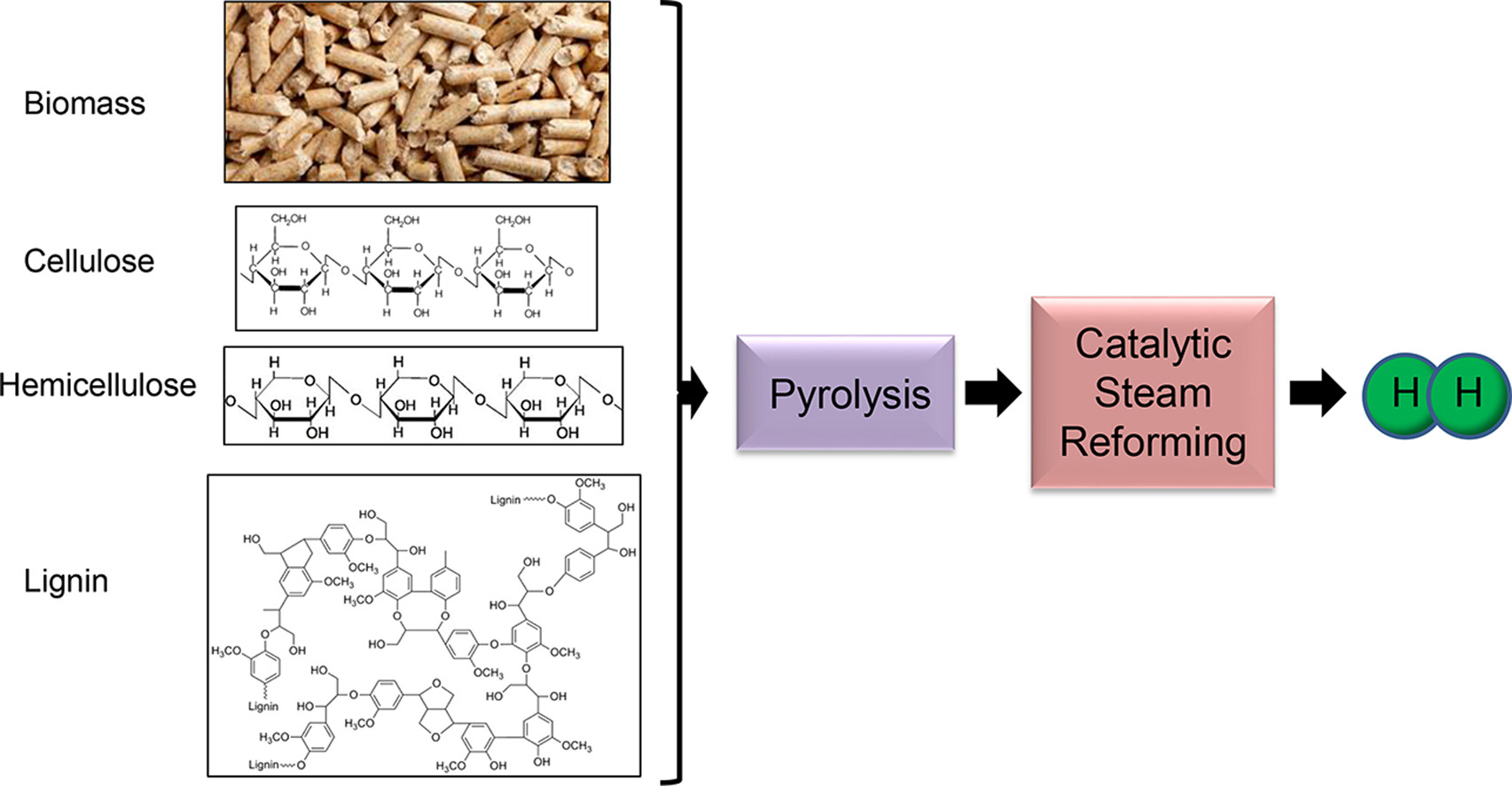
Biomass, comprising primarily plant materials and animal waste, plays a significant role in the pursuit of Sustainable Development Goals (SDGs), a collection of 17 global objectives set by the United Nations. Biomass energy, a renewable energy source, is pivotal in achieving several of these goals due to its unique characteristics and potential for sustainable use.
One of the key SDGs impacted by biomass is SDG 7, which aims for Affordable and Clean Energy. Biomass energy contributes to this goal by providing an alternative to fossil fuels, which are finite and have a significant environmental impact. By harnessing energy from biomass, we can reduce dependence on non-renewable energy sources and move towards cleaner, more sustainable energy solutions. This transition is essential for combating climate change and reducing air pollution, which are critical aspects of sustainable development.
Moreover, the utilization of agricultural, forestry, and livestock waste in biomass energy production aligns with SDG 12, Responsible Consumption and Production. This goal emphasizes the need for efficient resource use and waste reduction. Biomass energy production can transform waste materials, which would otherwise be discarded, into valuable energy sources, thereby promoting circular economy principles. This approach not only reduces waste but also maximizes the utility of resources, contributing to more sustainable production patterns.
SDG 13, which focuses on Climate Action, is another area where biomass energy can have a significant impact. When managed sustainably, biomass can be a carbon-neutral source of energy. Plants absorb carbon dioxide during their growth, and this carbon is later released when biomass is used for energy, creating a closed carbon cycle. This process can help in reducing overall greenhouse gas emissions, a critical step in mitigating climate change.
However, the use of biomass must be carefully managed to avoid negative impacts on other SDGs. For instance, SDG 2, which aims at Zero Hunger, can be adversely affected if biomass production competes with food production. It is crucial to ensure that biomass use does not compromise food security by taking away land or resources needed for food production. Similarly, SDGs 14 (Life Below Water) and 15 (Life on Land) focus on conserving marine and terrestrial ecosystems, respectively. Unchecked biomass production can lead to habitat destruction, biodiversity loss, and ecosystem imbalance. It is, therefore, vital to adopt practices that protect natural habitats and biodiversity while utilizing biomass.
Biomass energy, if harnessed and managed responsibly, offers a pathway to achieving multiple Sustainable Development Goals. It can provide clean and affordable energy, promote efficient resource use, and contribute to climate change mitigation. However, it is crucial to balance these benefits with the need to protect food security, biodiversity, and ecosystem health. This balanced approach is key to leveraging the full potential of biomass energy in a way that aligns with the broader objectives of sustainable development.