Protect, restore and promote sustainable use of terrestrial ecosystems, sustainably manage forests, combat desertification, and halt and reverse land degradation and halt biodiversity loss
Drawing inspiration from recent European Union agricultural and environmental policy reforms, this study examines the barriers between scientific advancements, farm-scale applications, and the implementation of agricultural policies.
Elsevier, International Journal of Educational Development, Volume 117, September 2025
This study investigates the use of problem-based learning (PBL) by geography teachers in Northwest Ethiopia to address deforestation and climate change education.
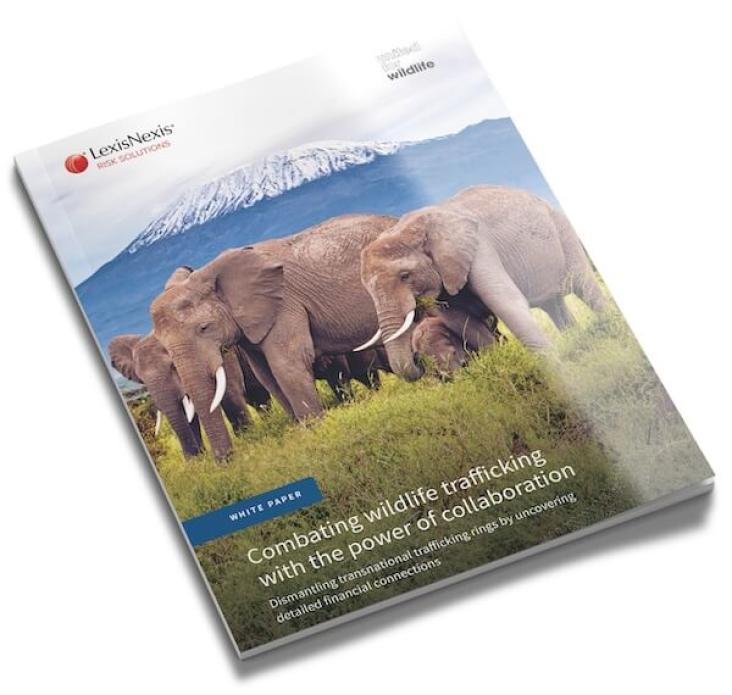
Learn how to help prevent wildlife trafficking by utilising partnerships and data in this joint LexisNexis Risk Solutions and United for Wildlife report.
Elsevier, Advancing Brain Cancer Care: Precision, AI Innovation, and African Insights, 2025, pp 209-231
This chapter explores how big data analytics and advanced methodologies like multiomics and AI are transforming brain cancer research, enabling early diagnosis, personalized treatment, and targeted prevention. By improving health outcomes through precision oncology (SDG 3: Good Health and Well-being) and addressing global disparities in cancer care via collaborative initiatives and equitable access (SDG 10: Reduced Inequalities), these data-driven approaches reshape the future of brain cancer treatment worldwide.
Elsevier, Microalgae and One Health, Fundamentals, Biocompounds, and Health and Environmental Applications, 2025, Pages 3-15
This chapter supports UN SDG 3 (Good Health and Well-being), SDG 13 (Climate Action), and SDG 15 (Life on Land) by promoting integrated health solutions through microalgae that benefit humans, animals, and ecosystems while addressing climate and biodiversity challenges. It ties to these goals through its emphasis on sustainable nutrition, carbon sequestration, and ecosystem balance within the One Health framework.
More than 800 people from over 75 countries came together virtually on 3rd June 2025 for the eleventh edition of the RELX SDG Inspiration Day: "The Future of Philanthropy: Stepping up for the SDGs" The annual online event brings together together business, academia, NGOs and government to explore pressing issues and inspire action on the United Nations Sustainable Development Goals (SDGs). Explore highlights from the day including inspiring keynotes from Ban Ki-moon, 8th Secretary General of the United Nations, Sir Lenny Henry and Sarah, Duchess of York.
This study identified the gene PpNLR1 and its promoter variation as key factors conferring green peach aphid (GPA) resistance in peach, regulated by jasmonate-induced transcription factor PpERF109. Additionally, GPA salivary effectors activate the peach immune response through PpNLR1, offering valuable insights for breeding aphid-resistant peach cultivars.
Elsevier, Agriculture Toward Net Zero Emissions, 2025, Pages 125-151
This chapter supports SDG 2 (Zero Hunger) and SDG 12 (Responsible Consumption and Production) by promoting sustainable agrifood systems and efficient land-use practices that enhance productivity while reducing environmental impact. It also advances SDG 13 (Climate Action) and SDG 15 (Life on Land) through its focus on carbon-neutral agriculture and responsible land management to mitigate climate change and protect terrestrial ecosystems.