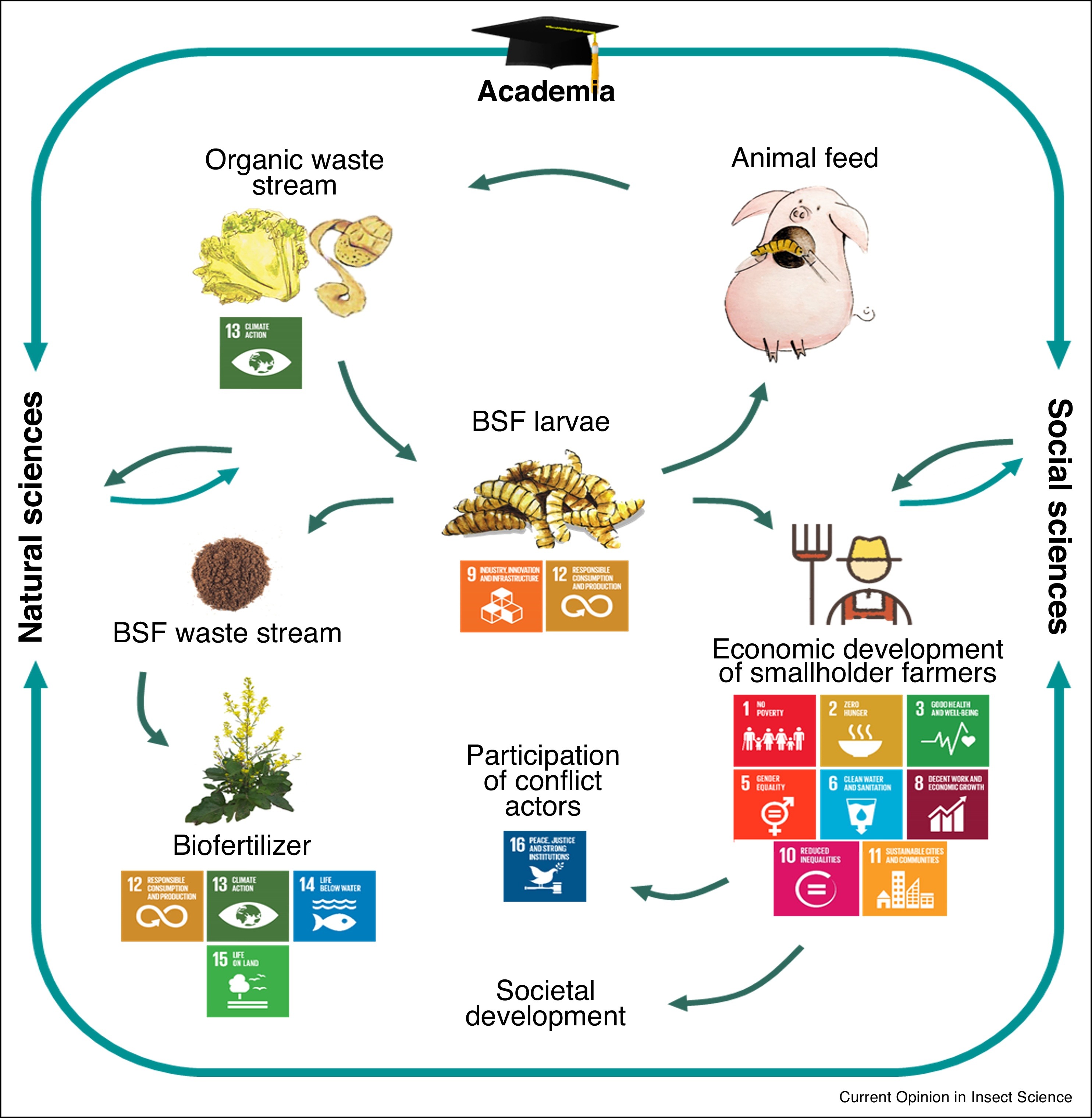
Insects, which constitute the majority of Earth's biodiversity, play pivotal roles in maintaining our planet's ecological balance. Their significance transcends the limits of the animal kingdom and interlinks directly with several Sustainable Development Goals (SDGs) established by the United Nations to ensure a sustainable future for all. Firstly, SDG 2 aims to end hunger and promote sustainable agriculture. Insects are indispensable here, not only as pollinators that sustain about 75% of global food crops, but also as a potential source of protein in human diets. Consuming insects, or entomophagy, offers an environmentally friendly alternative to traditional livestock. Rearing insects produces fewer greenhouse gases, requires less land and water, and can help reduce food waste by using organic waste streams as feed.
SDG 6 focuses on clean water and sanitation, and insects, especially aquatic macroinvertebrates, serve as bioindicators for water quality. Their presence or absence in water bodies can signal pollution levels and guide efforts to restore and maintain water ecosystems. Moreover, the preservation of wetland ecosystems, the habitats of many insects, ensures groundwater recharge and natural water purification.
SDG 12 seeks to ensure sustainable consumption and production. The introduction of insects into the global food market can drastically reduce the environmental footprint of food production. As the need for less resource-intensive and more sustainable protein sources grows, insects present a viable solution that aligns with this goal.
The interconnectedness of the SDGs is evident when we consider SDG 13, which is about taking action against climate change. Forests act as carbon sinks, and the vast number of insect species within them plays crucial roles in nutrient cycling, decomposition, and serving as food sources for other animals. Disturbing these insects disrupts these essential processes, accelerating deforestation and the associated release of carbon. By protecting insect habitats, we inherently support climate action.
SDG 15 underlines the need to protect terrestrial ecosystems and halt biodiversity loss. Given that insects represent a significant portion of terrestrial biodiversity, any actions to protect them directly support this goal. However, the global decline in insect populations, often termed the 'insect apocalypse,' threatens to destabilize ecosystems. Pesticides, habitat loss, and climate change are primary culprits behind this decline. Yet, by addressing these issues, not only do we protect insect biodiversity, but we also bolster agricultural productivity, which is dependent on pollinators like bees and butterflies.
The importance of insects also extends to SDG 17, which emphasizes partnerships for achieving these goals. Collaboration between entomologists, ecologists, policymakers, businesses, and communities is crucial to ensure the preservation of insect species and habitats. Such interdisciplinary partnerships can drive policy changes, promote sustainable farming practices, and spearhead conservation initiatives.
The diminutive size of insects belies their monumental impact on our planet and the attainment of the SDGs. They are at the nexus of multiple global challenges, and their preservation and wise use can propel humanity closer to a sustainable, balanced, and prosperous future.