This chapter explores a third use of neurotechnology that neither fits squarely into the category of treatment nor carries some of the moral hesitancies of pure enhancement in persons without physical or intellectual impairment. This third category, referred to as enhancement-2, is the enhancement of cognition for persons who have intellectual disabilities. This content addresses SDG 3 by giving comprehensive coverage of the neurogenetic foundation of neurological and psychiatric disease; explaining all aspects essential to the practice of neurogenetics to inform clinical diagnosis, treatment and genetic counseling.
Your search request returned 8464 results.
Elsevier, Rhizosphere, Volume 16, December 2020
The plant root system influences plant growth and development due to its phenotypic, physiological, metabolomic, and microbiomic traits. Broadly speaking, it is characterized by primary (stem-attached large), secondary (primary-attached medium), and fine (secondary-attached hair-like) roots. The role of root branching order and categories (fine, medium, and large) in influencing microbial communities in the rhizosphere and root environments is not clear.
Elsevier, Soil Biology and Biochemistry, Volume 148, September 2020
Urbanisation involves major changes in environmental conditions such as light, temperature, humidity and noise levels, but the effect of urbanisation on soil conditions and soil biodiversity has received less attention. The reported effects on species richness across a rural to urban landscapes are not unequivocal. Positive, negative and neutral effects have been found, but what is causing this ambiguity in the relationship between species richness and urbanisation is poorly understood.
Elsevier, Soil Biology and Biochemistry, Volume 143, April 2020
Improving rice yield potential is crucial for global food security. Taoyuan, China, is famous worldwide as a special ecosite for ultrahigh rice yield. Climatological factors affecting this phenomenon have been identified, but the potential molecular processes and environmental mechanisms promoting ultrahigh yield remain mysteries.
Elsevier, Global Food Security, Volume 27, December 2020
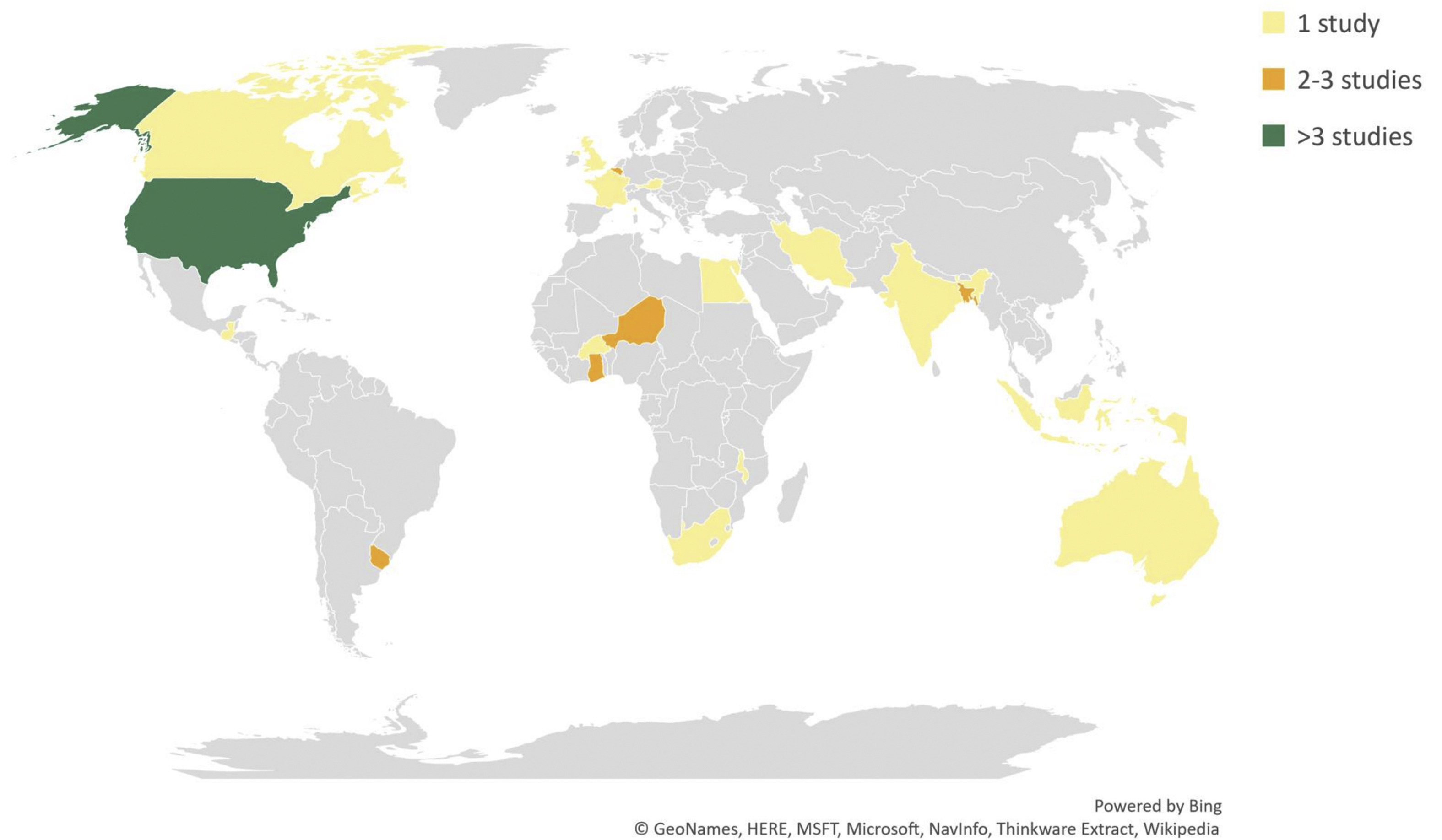
Intervening in the food environment is critical to improve the diets and nutrition of children and adolescents. Little is known about the most effective interventions targeting children and adolescents, particularly in low- and middle-income countries (LMICs). We conducted a scoping review of the literature to examine influence of external and personal food environment interventions on the diets and nutrition of children and adolescents. Most of the included studies examined interventions in school settings in the United States, with few studies from LMICs.
Elsevier, Global Food Security, Volume 27, December 2020
This paper focuses on the most proximate determinants of dietary intake: food behaviors of caregivers, children and adolescents. Utilizing a case study approach, we explored cultural-ecological factors that have been shown to affect behavioral interventions aimed improving diet quality. The results provide insights about facilitators and barriers to uptake of interventions aimed at improving dietary behaviors in children and adolescents and highlight their implications for planning and monitoring future interventions.
Elsevier, Global Food Security, Volume 27, December 2020
Unhealthy food marketing has long been identified as a systems factor with negative health effects on children. The data-driven, personal data extraction and behavioural design practices of 21st century media advertising in digital technology systems mean that food marketing now sits at the intersection of multiple harms, infringing not only children's rights to health and to food, but also their rights to privacy and to be free from exploitation. This further sharpens the need for State regulation to protect children and their rights effectively.

Elsevier, Soil Biology and Biochemistry, Volume 148, September 2020
Non-target effects of deliberately released organisms into a new environment are of great concern due to their potential impact on the biodiversity and functioning of ecosystems. Whereas these studies often focus on invasive species of macro-organisms, the use of microbial inoculants is often expected to have specific effects on particular functions but negligible overall effects on resident microbial communities. Here, we posit that such introductions often impact native microbial communities, which might influence ecosystem processes.