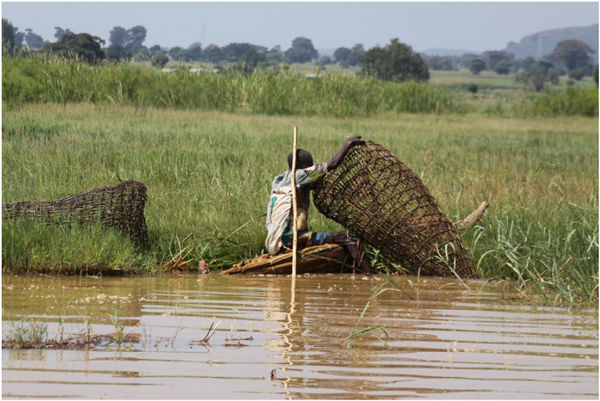
Ecosystem services (ESs) are the plethora of benefits that humanity derives from the natural environment. They underpin almost every facet of human life and are integral to achieving the United Nations Sustainable Development Goals (SDGs). Four types of ecosystem services are recognized: provisioning services such as food and water; regulating services such as climate regulation; cultural services such as spiritual and recreational benefits; and supporting services such as nutrient cycling.
As the linchpin of sustainability, the relationship between ecosystem services and the SDGs is deeply interwoven. Goal 15, 'Life on Land,' directly focuses on conserving and restoring terrestrial ecosystems. However, other goals are also intrinsically connected to ecosystem services. Take Goal 2 'Zero Hunger,' for instance. Sustainably managing ecosystems enhances soil fertility and crop yields, ensuring food security. Similarly, Goal 6, 'Clean Water and Sanitation,' is contingent on healthy freshwater ecosystems that filter and purify water, reducing water treatment costs. Further, Goal 13, 'Climate Action,' benefits from ecosystems acting as carbon sinks, sequestering carbon dioxide and mitigating climate change.
Ecosystems also underpin the achievement of Goal 3, 'Good Health and Well-being.' Natural environments play a pivotal role in regulating air quality and reducing pollution, thereby promoting public health. Additionally, the psychological benefits of interaction with nature contribute to overall mental wellbeing. Thus, ecosystem services not only provide tangible resources but also have the potential to alleviate poverty (Goal 1) and inequality (Goal 10) through the equitable distribution of these benefits.
Consequently, recognizing and integrating the value of ecosystem services into socio-economic policies and decisions is crucial to accomplish the 2030 Agenda for Sustainable Development. Approaches like 'nature-based solutions' can strike a balance between development and conservation, optimizing the use of ecosystem services without depleting them. By understanding and promoting the linkages between ecosystem services and SDGs, we can foster a symbiotic relationship between humanity and nature, ensuring a sustainable and equitable future for all.