Electric vehicles (EVs) are increasingly recognized as a crucial component in the global effort to achieve the Sustainable Development Goals (SDGs) set by the United Nations. The SDGs are a collection of 17 interlinked global goals designed to be a "blueprint to achieve a better and more sustainable future for all" by 2030. EVs specifically intersect with several of these goals, offering a pathway to a more sustainable and environmentally friendly future.
First and foremost, EVs contribute significantly to SDG 7, which is focused on ensuring access to affordable, reliable, sustainable, and modern energy for all. By transitioning from fossil fuel-powered vehicles to EVs, we can significantly reduce reliance on non-renewable energy sources. This shift is crucial because the transport sector is a major consumer of energy, and a significant portion of global energy consumption comes from non-renewable sources like oil. EVs, which can be powered by renewable energy sources such as solar or wind power, represent a more sustainable alternative.
Another critical SDG impacted by the rise of EVs is SDG 13, which calls for urgent action to combat climate change and its impacts. Traditional vehicles powered by internal combustion engines are a major source of greenhouse gas emissions, contributing to global warming and climate change. EVs, on the other hand, emit significantly fewer greenhouse gases, especially when charged with electricity from renewable sources. Therefore, the widespread adoption of EVs can be a vital part of efforts to reduce emissions and mitigate climate change.
The relationship between EVs and SDG 9, which focuses on building resilient infrastructure, promoting inclusive and sustainable industrialization, and fostering innovation, is also noteworthy. The development and widespread adoption of EVs require significant innovation in areas such as battery technology, electric motor systems, and charging infrastructure. This innovation not only drives progress in the automotive industry but also stimulates economic growth and job creation in new and emerging sectors related to EV technology.
EVs also play a role in achieving SDG 11, which aims to make cities and human settlements inclusive, safe, resilient, and sustainable. One of the key challenges in urban areas is managing air quality. Emissions from traditional vehicles contribute to air pollution, which has significant health impacts. By replacing these vehicles with EVs, cities can significantly improve air quality, leading to better health outcomes for their residents.
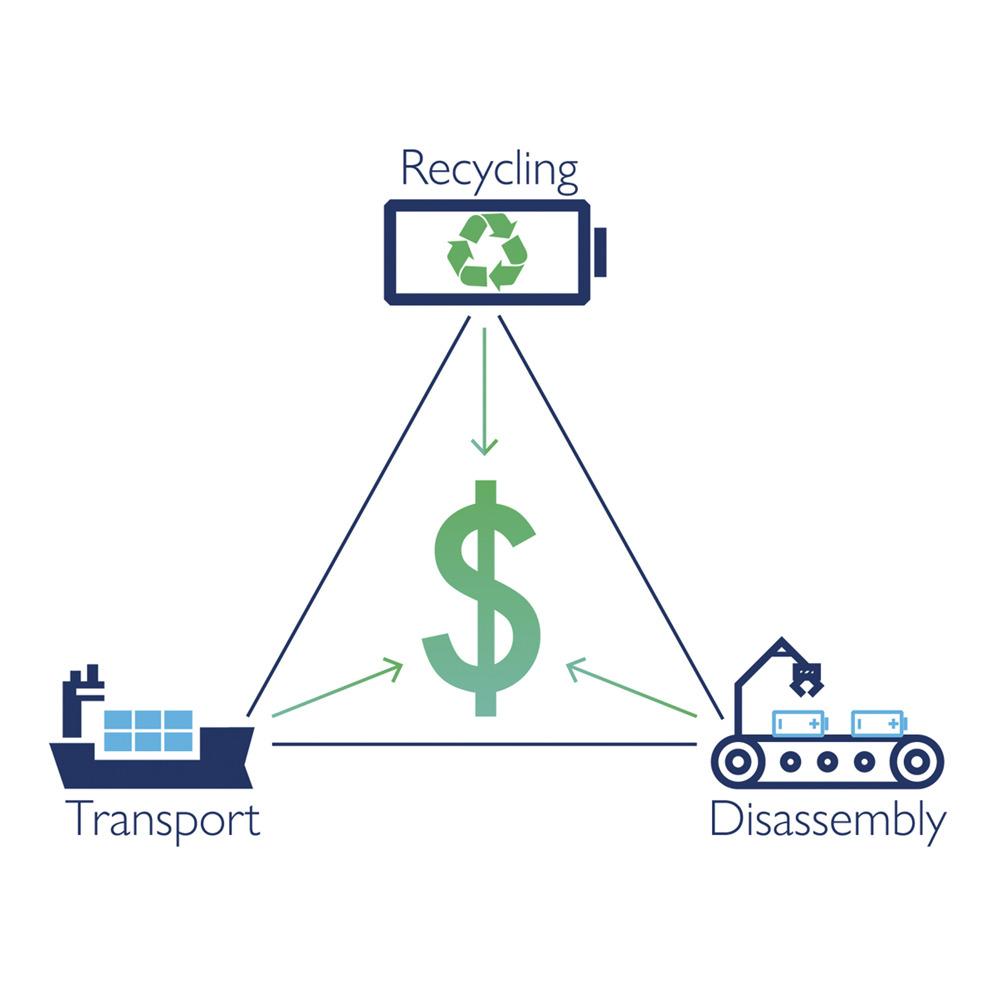
Furthermore, EVs tie into SDG 12, which is about ensuring sustainable consumption and production patterns. The automotive sector has long been associated with unsustainable consumption due to the reliance on non-renewable resources and the environmental impact of vehicle emissions. EVs offer a more sustainable model of consumption and production, especially when paired with a circular economy approach where EV batteries are recycled and repurposed.
Lastly, the global transition to EVs also indirectly affects other SDGs, such as SDG 8 (Decent Work and Economic Growth) by creating new job opportunities in renewable energy sectors, and SDG 3 (Good Health and Well-being) by reducing pollution-related health issues. However, it's important to note that the transition to EVs also presents challenges, such as the need for raw materials for batteries and the development of adequate charging infrastructure, which must be addressed responsibly and sustainably.