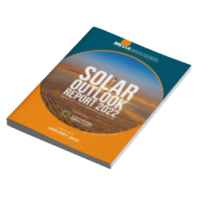
Emerging renewable energy sources, encompassing advanced solar technologies, marine energy, and innovative bioenergy solutions, are essential in realizing the United Nations Sustainable Development Goals (SDGs). These sources are instrumental in addressing a variety of environmental, economic, and social challenges, highlighting the interconnected nature of these global goals.
One of the primary SDGs addressed by these renewable energy sources is SDG 7, which aims for Affordable and Clean Energy. By providing access to affordable, reliable, sustainable, and modern energy, these technologies help bridge the energy gap, especially in underdeveloped and developing countries. Advanced solar technologies, for instance, harness the sun's power more efficiently and are becoming increasingly cost-effective, making solar energy more accessible to a broader population. Similarly, marine energy, derived from ocean waves, tides, and thermal gradients, offers a vast and largely untapped source of clean energy. Innovative bioenergy solutions, which convert organic materials into electricity, heat, or biofuels, also contribute to a more diversified and sustainable energy mix.
Moreover, these renewable energy sources directly contribute to SDG 13 – Climate Action. By reducing reliance on fossil fuels, they significantly lower greenhouse gas emissions, a major factor in global warming and climate change. The shift to renewables not only curbs emissions but also fosters a more resilient and adaptable energy infrastructure, capable of withstanding climate-related hazards.
The development and implementation of these clean energy technologies also support SDG 9, which focuses on Industry, Innovation, and Infrastructure. The advancement of renewable energy technologies drives innovation in various sectors, including materials science, engineering, and digital technologies. This innovation spurs economic growth and helps build resilient infrastructure, essential for sustainable industrialization.
In terms of economic benefits, these renewable energy sources align with SDG 8, which promotes Decent Work and Economic Growth. The renewable energy sector is a significant job creator, offering a range of employment opportunities in research and development, manufacturing, installation, and maintenance. These jobs not only contribute to economic growth but also support community development and contribute to poverty alleviation.
Furthermore, the expansion of renewable energy can play a vital role in addressing SDG 10, which aims to Reduce Inequalities. Access to clean and affordable energy can transform lives, particularly in remote and underserved regions. It can improve living standards, enhance education and health outcomes, and boost local economies, thereby reducing inequalities within and among countries.
The proliferation of emerging renewable energy sources is not just about transitioning to a cleaner energy mix; it is fundamentally about fostering a sustainable, equitable, and prosperous future for all. These technologies are pivotal in achieving the SDGs, reflecting their multifaceted benefits that span environmental protection, economic growth, social inclusion, and innovation. As such, the global push towards renewable energy is a critical step in the journey towards achieving sustainable development worldwide.
This report documents Masdar City’s 15-year progression toward net-zero carbon, outlining its integrated methodology for sustainable urban development. Through detailed case studies, environmental performance metrics, and a structured decarbonization roadmap, it demonstrates how passive design, renewable energy integration, embodied carbon reduction, and lifecycle analysis can deliver commercially viable net-zero outcomes in the built environment.
This report synthesizes discussions from the 2026 ADSW Advisory Committee on Food and Water, examining technology adoption, water pricing reform, desalination and reuse strategies, investment mobilization, and the development of climate-resilient food systems. It presents a structured assessment of systemic barriers and priority actions needed to secure equitable access to food and water amid escalating climate pressures
This report synthesizes insights from the 2026 ADSW Advisory Committee on AI and Technology, examining AI’s role in energy systems, environmental monitoring, healthcare, smart cities, and the sustainability of AI infrastructure itself. It highlights both the transformative potential of AI and the governance, equity, and energy challenges that must be addressed to ensure responsible deployment.
This report synthesizes the 2026 ADSW Advisory Committee dialogue on advancing the global circular economy. It examines design innovation, industrial symbiosis, financing mechanisms, policy frameworks, informal sector inclusion, and the prevention of ocean leakage, outlining structural reforms required to transition from a predominantly linear system to regenerative material flows.
This whitepaper examines the dominant trends shaping global renewable energy markets, including solar PV expansion, offshore and onshore wind dynamics, reshoring of supply chains, growth in power purchase agreements, battery storage integration, AI-driven optimisation, virtual power plants, advanced servicing, and grid digitalisation. It presents investment forecasts, structural challenges, and growth opportunities across the renewable energy value chain.
This report synthesizes discussions from the 2026 ADSW Advisory Committee on Green Hydrogen and Future Fuels. It examines the emergence of global hydrogen trade, supply side technological and industrial challenges, demand creation mechanisms, infrastructure and regulatory readiness, and financial models required to scale green hydrogen toward commercial maturity.
This report distills insights from the 2026 ADSW Advisory Committee on Climate and Governance. It examines structural reform of global climate governance, the catalytic role of private and blended finance, operationalization of Article 6 carbon markets, localization and inclusivity in climate decision making, and the governance of emerging climate technologies.
This report synthesizes insights from the 2026 ADSW Advisory Committee on Smart Cities and Mobility. It examines the role of AI in urban planning, the importance of human centric and nature integrated development, evolving mobility systems including EVTOL technologies, the balance between sustainability and affordability, and the long-term transformation of urban infrastructure.
This report synthesizes insights from the 2026 ADSW Advisory Committee on Nature and Biodiversity. It examines the need for standardized reporting frameworks, deeper integration between climate and biodiversity agendas, mobilization of private finance, scaling of nature based solutions, and cautious development of biodiversity markets.