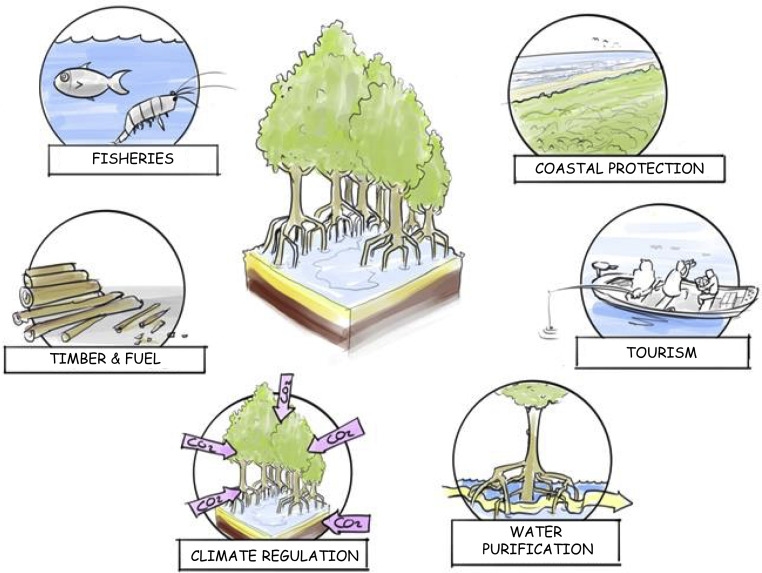
Mangroves are intricate coastal ecosystems, primarily located at the confluence of marine and terrestrial environments across tropical and subtropical regions. These biologically-rich habitats are a melange of salt-tolerant trees, shrubs, and other plant species that have adapted to life in the challenging saline and tidal conditions of coastal waters. Beyond their impressive biological diversity, mangroves are instrumental in supporting human well-being and are intrinsically linked to multiple Sustainable Development Goals (SDGs) delineated by the United Nations. One of the foremost connections is with SDG 13: Climate Action. Mangroves act as significant carbon sinks, storing vast amounts of carbon in their biomass and soil—more per unit area than many terrestrial forests. This carbon sequestration capability plays a pivotal role in mitigating the impacts of climate change by reducing the amount of carbon dioxide in the atmosphere. Furthermore, they form natural barriers against storm surges and rising sea levels, directly contributing to SDG 11: Sustainable Cities and Communities, by protecting coastal cities and settlements from climate-related disasters.
Their intrinsic value doesn't stop there. Mangroves also support local economies and food security, aligning with SDG 1: No Poverty, and SDG 2: Zero Hunger. Many coastal and indigenous communities depend on the rich biodiversity of mangrove ecosystems for their livelihoods, be it through fisheries, honey collection, or tourism. Mangrove forests serve as breeding and nursery grounds for a myriad of marine species, many of which are vital for commercial and subsistence fishing. Thus, the degradation of these ecosystems can significantly impact fish stocks and the income of local communities. Moreover, mangroves tie in with SDG 6: Clean Water and Sanitation, as they act as natural water filters, trapping sediments and pollutants from upstream sources, thereby maintaining water quality in adjacent marine habitats like coral reefs and seagrass beds.
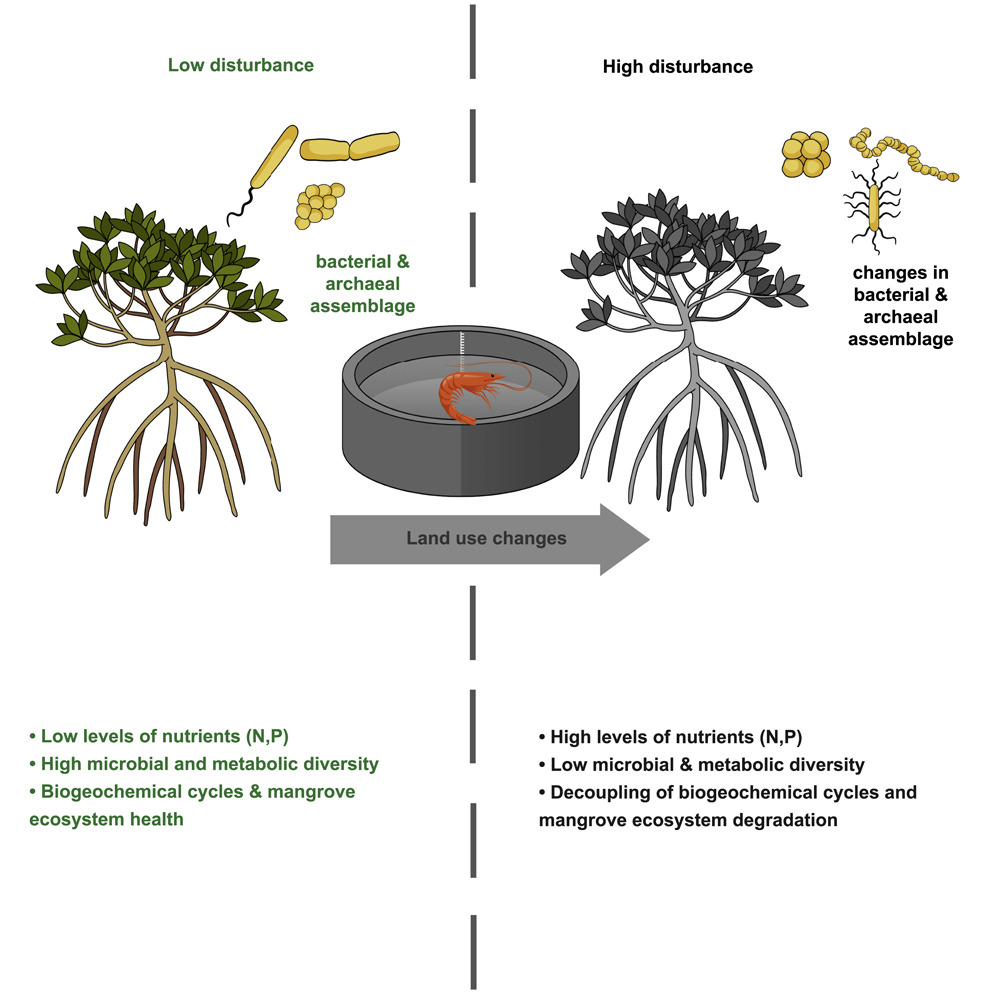
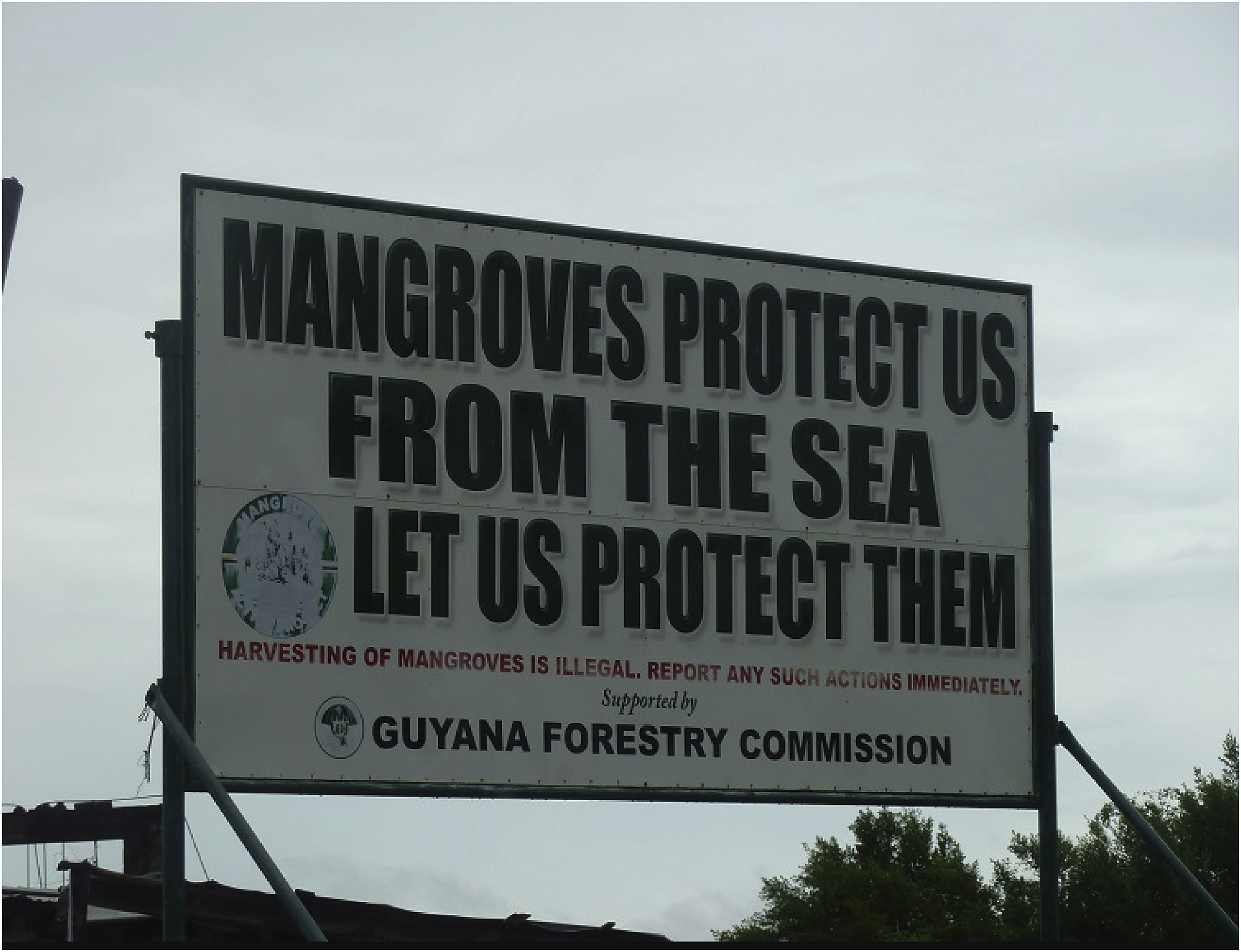
SDG 15: Life on Land is yet another goal that is inextricably linked with mangroves. It calls for the protection, restoration, and promotion of sustainable use of terrestrial ecosystems. Mangroves, with their diverse range of flora and fauna, are hotspots of terrestrial biodiversity. Their preservation ensures the conservation of many species that are endemic or exclusive to these habitats. Unfortunately, despite their immense ecological, economic, and social importance, mangrove forests are under threat. Unsustainable shrimp farming, logging, coastal development, and pollution are decimating these crucial habitats at an alarming rate. Recognizing their importance to achieving the SDGs underscores the urgency of implementing conservation and restoration efforts.
Lastly, the connection between mangroves and SDG 16: Peace, Justice, and Strong Institutions might seem less apparent, but it's pivotal. Sustainable management of these resources often requires robust institutions, good governance, inclusive decision-making processes, and the rule of law. By promoting equitable access and sustainable use of mangrove resources, societies can foster social cohesion and reduce potential conflicts over resource use. While mangroves occupy a fraction of the world's surface, their contribution to the realization of the Sustainable Development Goals is monumental. These unique ecosystems remind us of the intricate web of life on Earth and how intertwined the pillars of sustainability—environmental, economic, and social—are.