In this episode of the “World We Want” podcast series, RELX’s Global Head of Corporate Responsibility, Dr. Márcia Balisciano, talks to Kariuki Ngari about leadership.
Your search request returned 8466 results.
Elsevier, 3rd March 2020
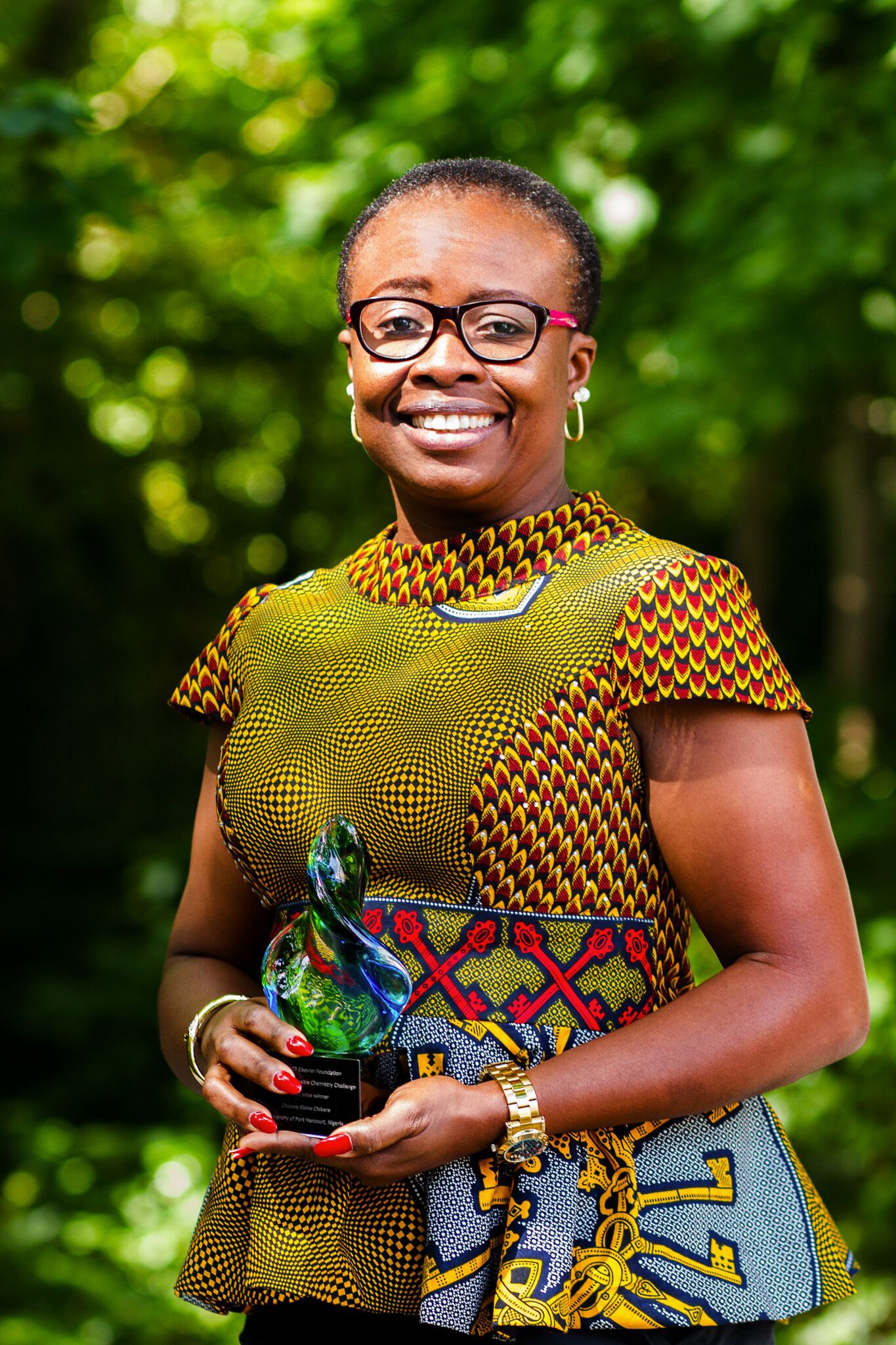
In 2017, Chioma Blaise Chikere was awarded the second prize of the Green and Sustainable Chemistry Challenge. Her project “Eco-restoration of crude oil-polluted land in Nigeria” demonstrated how organic nutrients such as garden fertilizers and animal excreta can be used to degrade hydrocarbons, cleaning up the soils heavily contaminated by decades of oil spills and advancing SDGs 6, 13 and 15. Three years later, we caught up with Dr. Chikere to learn about her research journey.
Elsevier, 26th July 2020
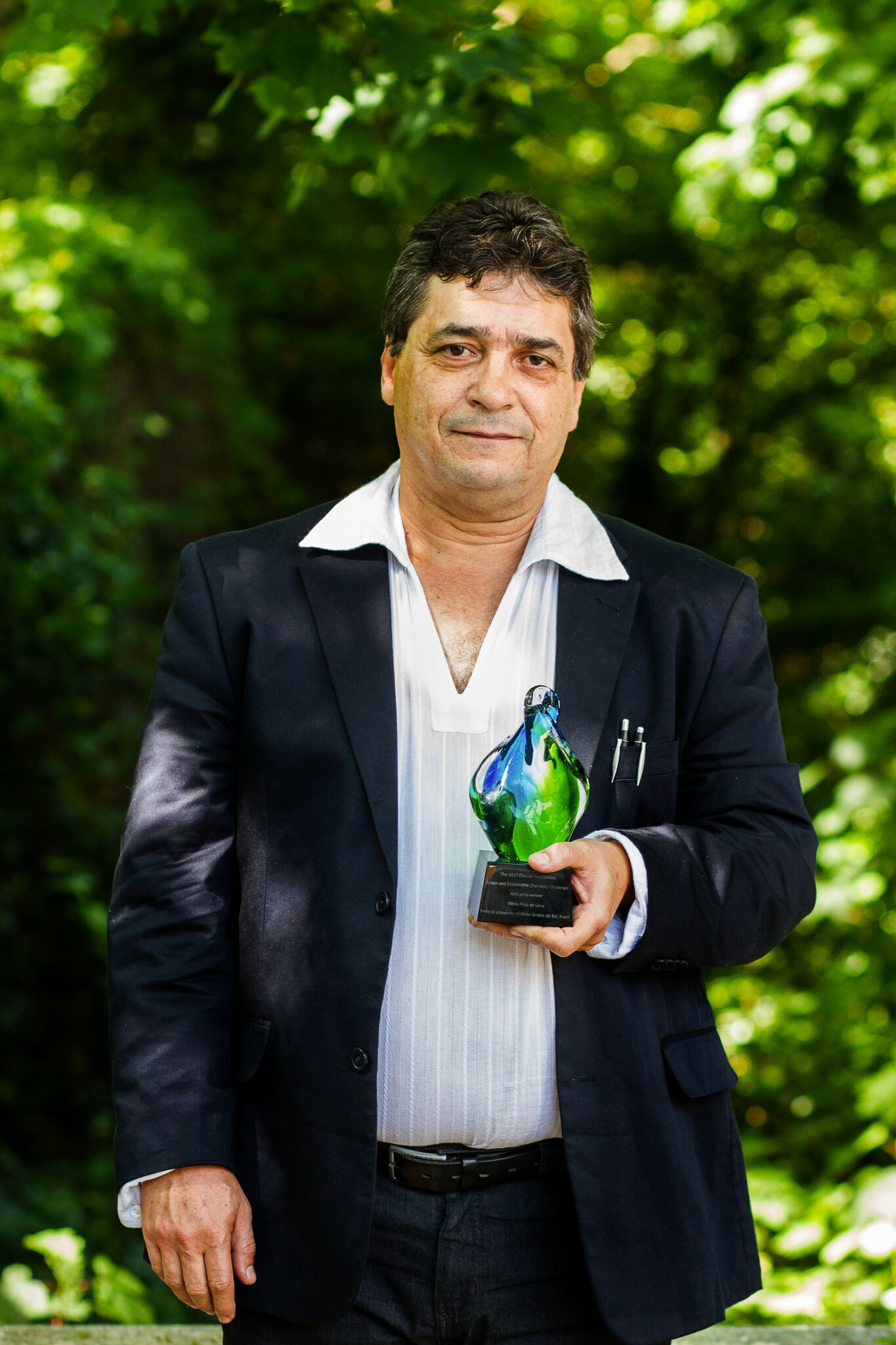
In 2017, Dr. Dênis Pires de Lima from the Federal University of Mato Grosso do Sul, Brazil, was awarded the first prize of € 50,000 for his project “From Cashews to castor oil, combating mosquito-borne diseases.” Contributing to SDGs 3 and 15, Dr. Pires de Lima and his team’s project promoted the use of natural waste from locally sourced cashew nuts and castor oil, to produce environmentally friendly insecticides against mosquitoes carrying Zika and Dengue fever — a sustainable alternative to conventional, substantially toxic insecticides. Three years later, we interviewed Dr. about his experience as a winner of the Green Sustainable Chemistry Challenge, as well as the upcoming steps for his winning project.
Elsevier, 5th April 2016
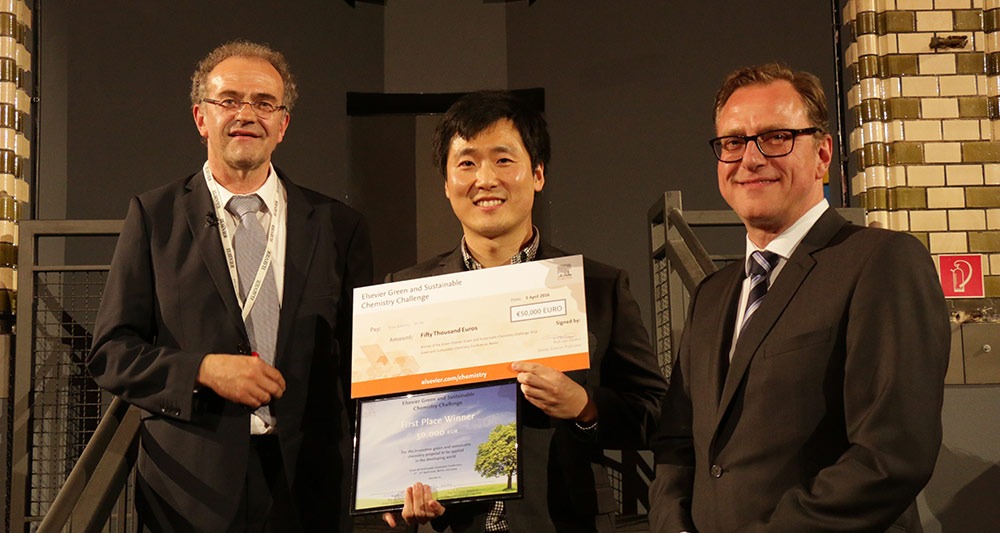
This article highlights the winning proposals of the first edition of the Elsevier Foundation Green & Sustainable Chemistry Challenge. The winning proposals were chosen for their innovative green chemistry aspects and their large positive impact on the environment, contributing to SDGs 6, 12 and 15.
Elsevier, 17th September 2020
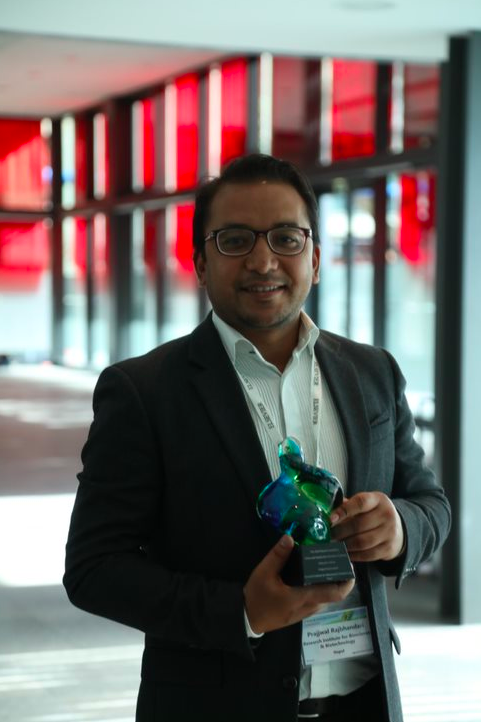
In 2018, Dr. Prajwal Rajbhandari was awarded the first prize of the Elsevier Foundation Green and Sustainable Chemistry Challenge for his project, “Guava leaves as natural preservatives for farmers of Nepal.” Due to a lack of viable non-toxic preservatives, or cold chain technologies, one-third of Nepal’s produce is spoiled before it reaches market each year. Dr. Rajbhandari’s project taps the antioxidant and antimicrobial properties of guava leaves to make a water-based, sprayable natural preservative, contributing to SDGs 2, 12 and 15. Two years later, we interviewed Dr. Rajbhandari about his experience as a winner, as well as the upcoming steps for his project.
Elsevier, 12th October 2020
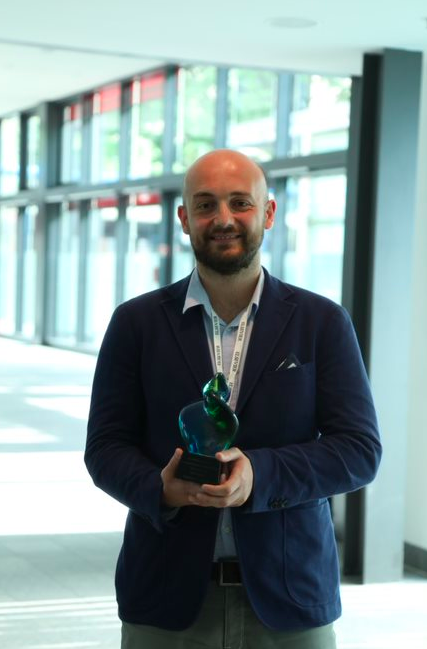
In 2018, Dr. Alessio Adamiano, a researcher for the Italian National Research Council at the Institute of Science and Technology for Ceramic Materials, was awarded the second prize of €25,000. Contributing to SDGs 2, 13 and 14, his project, “Phos-Fate: Empowering fishing communities for climate change”, demonstrated how phosphorous can be recycled in a simple, scalable way by converting fish bones into products such as fertilizers. Two years later, we interviewed Dr. Adamiano about his experience at the Challenge, as well as the upcoming steps for his project empowering fishing communities for climate change.
Elsevier, 9th November 2020
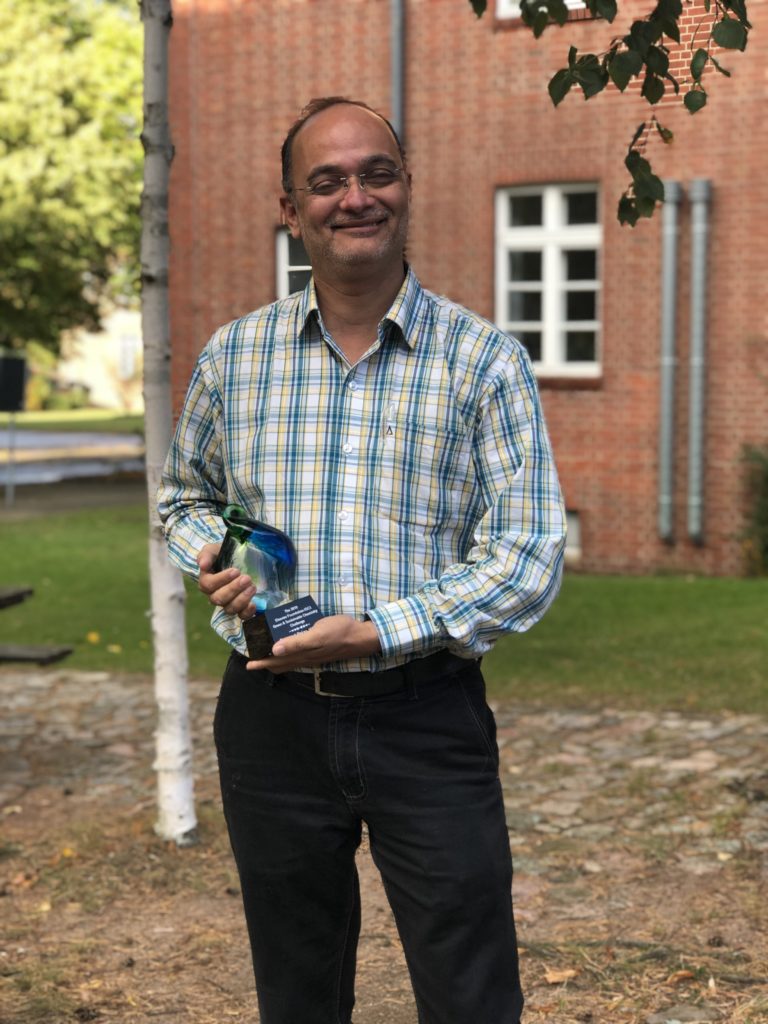
In 2019, Dr. Ankur Patwardhan, Head of the Biodiversity Department at Maharashtra Education Society’s Abasaheb Garware College, Pune, India, was awarded the second prize in the Elsevier Foundation Green and Sustainable Chemistry Challenge. Contributing to SDGs 13 and 15, his project, “Butterfly attractant for pollination and ecosystem health”, focused on the plant-pollinator interactions that play a vital role in maintaining ecosystem balance and aimed at enhancing floral visits by butterflies through the development of natural attractant formulations. One year later, we interviewed Dr. Patwardhan about his experience at the Challenge, as well as the upcoming steps for his project.
Elsevier, 16th May 2017
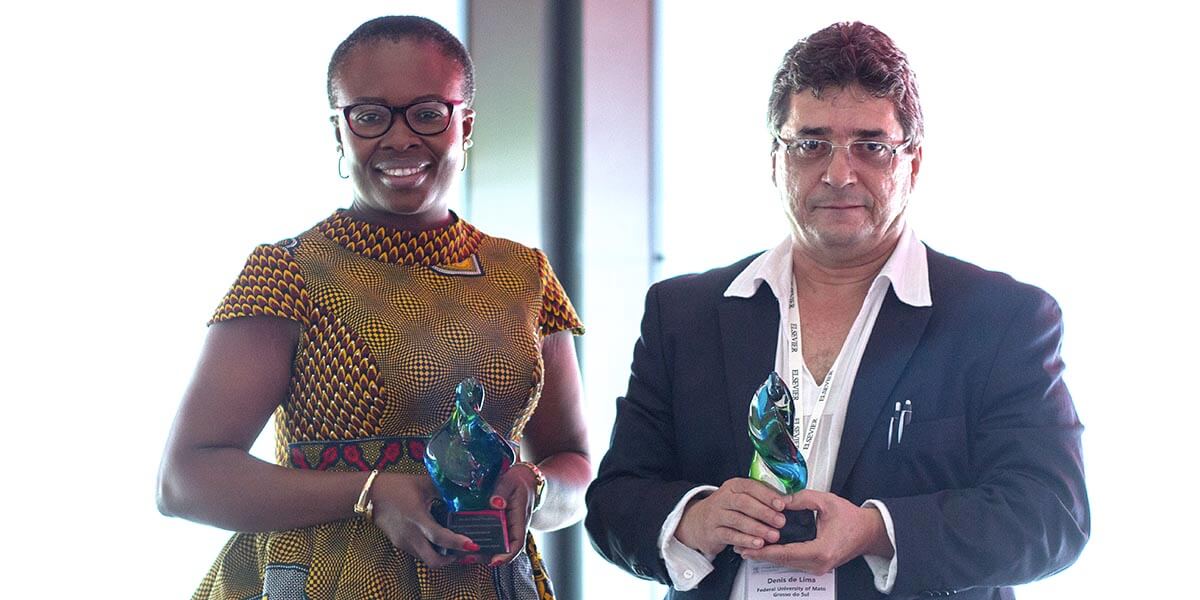
This article highlights the winning proposals of the second edition of the Elsevier Foundation Green & Sustainable Chemistry Challenge. The winning proposals were chosen for their innovative green chemistry aspects and their large positive impact on the environment, contributing to SDGs 3, 8, 13 and 15.
Elsevier, 3rd June 2019
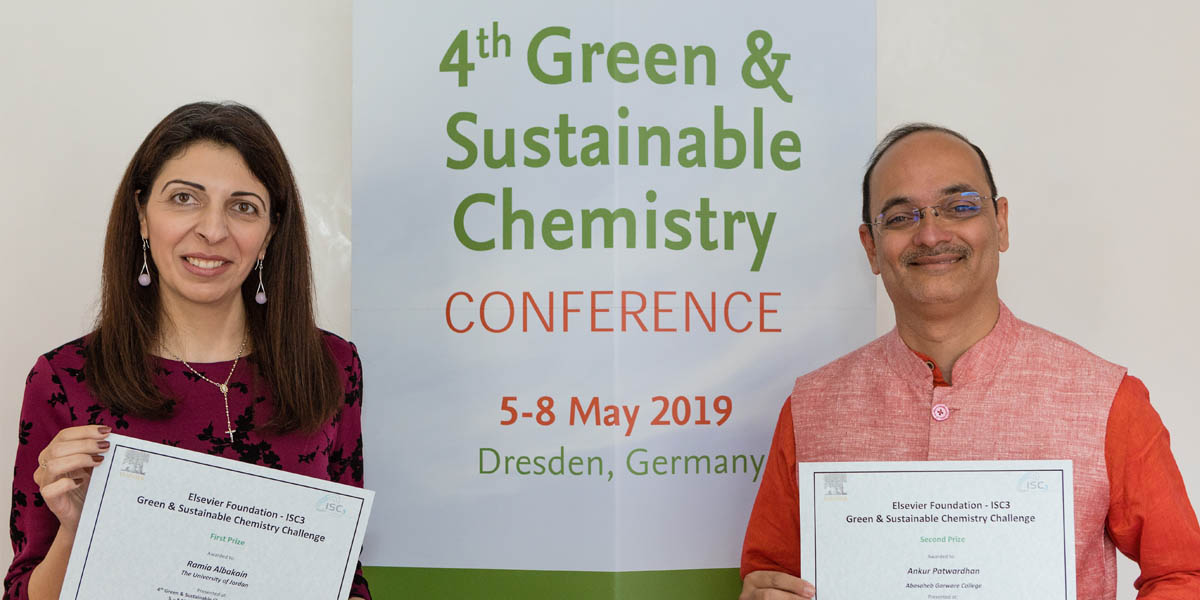
This article highlights the winning proposals of the fourth edition of the Elsevier Foundation Green & Sustainable Chemistry Challenge. The winning proposals were chosen for their innovative green chemistry aspects and their large positive impact on the environment, contributing to SDGs 6, 13 and 15.