Aims: To determine the pooled effectiveness of multidiscipinary care teams (MCTs) in reducing major amputation rates in adults with diabetes. Methods: A systematic review and meta-analysis was performed, searching databases MEDLINE, EMBASE, Google Scholar, Cochrane Library, and Clinicaltrials.gov thru October 2018. We included only before-after studies comparing amputation rates before and after the implementation of a MCT for the prevention of major amputation in adults with diabetes. Our primary outcome was relative risk of major amputation.
Your search request returned 8451 results.
Elsevier, Journal of Clinical and Translational Endocrinology, Volume 15, March 2019
Background: The International Diabetes Federation (IDF) launched the Kids and Diabetes in School (KiDS) project in collaboration with the International Society for Paediatric and Adolescent Diabetes (ISPAD) and Sanofi Diabetes to inform and teach school staff, children and parents on the management of diabetes in school. Brazil and India were chosen as pilot countries. Methods: The evaluation was conducted using a qualitative methodology using semi-structured face to face in-depth interviews.
Elsevier, Metabolism: Clinical and Experimental, Volume 101, December 2019
Background: Metabolic syndrome is characterised by a clustering of metabolic risk factors including abdominal obesity, raised triglycerides, lowered HDL cholesterol, hypertension and impaired glucose tolerance. Multifaceted lifestyle interventions including diet and exercise are recommended as the first-line treatment for the metabolic syndrome. Objective: To investigate the effects of lifestyle interventions that include both diet interventions and supervised exercise on outcomes for people with metabolic syndrome. Methods: A systematic review and meta-regression was conducted.
Elsevier, Measurement: Journal of the International Measurement Confederation, Volume 143, September 2019
With the advantages of reducing CO2 emissions and improving the sustainability of supply chain, returnable containers have been widely used in logistics processes. This paper considers a returnable containers supply chain that consists of a single vendor and multiple buyers. To minimize the total cost of the system and balance the containers flow, we assume that the buyers can invest in employee training to reduce the loss fraction of returnable containers.

Elsevier, Renewable and Sustainable Energy Reviews, Volume 116, December 2019
Nepal has been suffering from a serious energy crisis for decades. It has severely affected its economic, social and political developments. Owing to the continuously evolving energy situation in Nepal, and the recent progress in renewable energy technologies, this study aims to provide an up to date perspective on the current energy crisis in Nepal. In particular, the current energy production and consumption profiles are reviewed, and the main factors contributing to a widening gap between the energy supply and demand are identified.
Elsevier, Renewable Energy, Volume 141, October 2019
Agricultural wastes are readily available in farming communities and can be utilised for off-grid electrification as an alternative to diesel generators. This work evaluates for the first time the life cycle environmental sustainability of these small-scale systems in the context of Southeast Asia. Rice and coconut residues are considered for direct combustion and gasification, and livestock manure for anaerobic digestion. Overall, anaerobic digestion is the best option for 14 out of 18 impacts estimated through life cycle assessment.
Elsevier, International Journal of Hospitality Management, Volume 81, August 2019
Over the last years, the lodging industry started to implement a wide spectrum of green practices to mitigate its pressure on the environment and to respond to the growing consumers’ environmental concerns. Recently, scholar's attention to guest perception of hotels green practices has been grown. This paper through a PLS-SEM analysis, presents the results of a survey targeted to the guests of an ecolabel-awarded hotel, investigating how consumers perceive the actions implemented by hotels to reduce their environmental impacts.
Elsevier, Operations Research for Health Care, Volume 19, December 2018
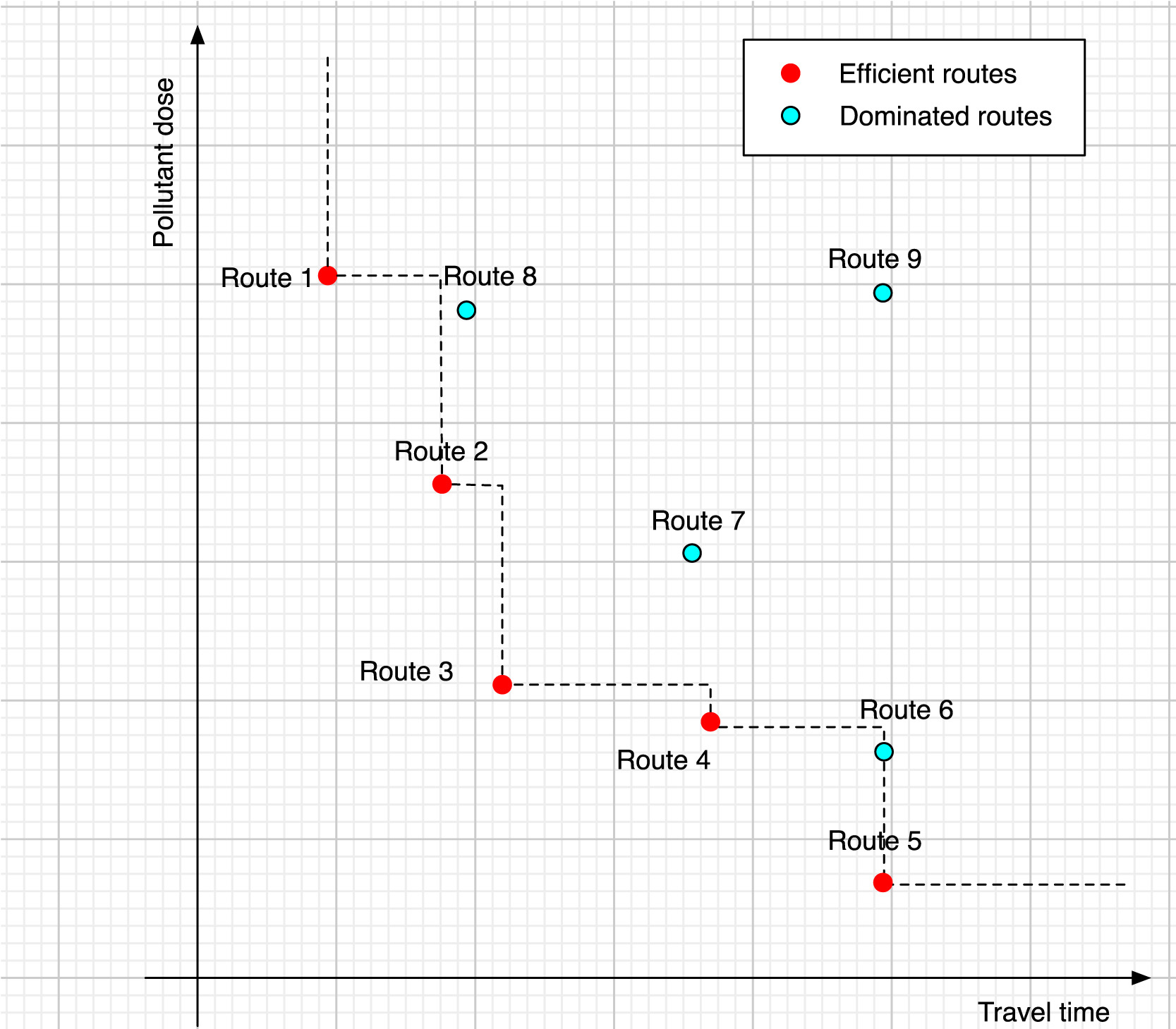
Cyclists form the most vulnerable road user group in terms of injury from traffic accidents, as well as exposure to traffic-related air pollution. Ironically, commuter cyclists are often motivated by improvement in health and fitness. Cycleways away from traffic with lower concentrations of pollutants from motorised vehicles sometimes result in longer distances and hence require longer travel times, while alternative routes sharing the road with other traffic, sometimes with buses, might result in exposure to higher pollutant concentrations.
Elsevier, Human Resource Management Review, Volume 26, 1 September 2016
Despite a significant increase in research and practise linking corporate social responsibility (CSR) and human resource management (HRM), a comprehensive examination of the relationship between these two constructs has yet to be undertaken. Scholars associating CSR and HRM rarely explicate their understanding of the connection between CSR and HRM (CSR–HRM) or the assumptions they make when exploring this relationship. Thus, we argue that a comprehensive review of the literature of the CSR–HRM nexus is relevant and necessary.
Elsevier, Sport Management Review, Volume 22, August 2019
The purpose of this study was to examine how innovative SDP organizations’ interactions with external stakeholders influence the social innovation process. Innovation represents the implementation of new or improved ways to promote social change. The authors conducted semi-structured interviews and focus groups with 48 SDP leaders representing organizations located across six continents.