World Water Day is an annual United Nations Observance focusing on the importance of freshwater and raising awareness of the 2.2 billion people living without access to safe water.To raise awareness of the value of water, Elsevier presents a curated list of free access journal articles and book chapters. At Elsevier, we are advancing #SDG6 research and ensuring that #Everydrop counts.
Your search request returned 8465 results.
Elsevier, International Journal of Critical Infrastructure Protection, Volume 31, December 2020
Early and accurate anomaly detection in critical infrastructure (CI), such as water treatment plants and electric power grid, is necessary to avoid plant damage and service disruption. Several machine learning techniques have been employed for the design of an effective anomaly detector in such systems. However, threats such as from insiders and state actors, introduce challenges in the design of an effective anomaly detector.
Elsevier, Sustainable Cities and Society, Volume 61, October 2020
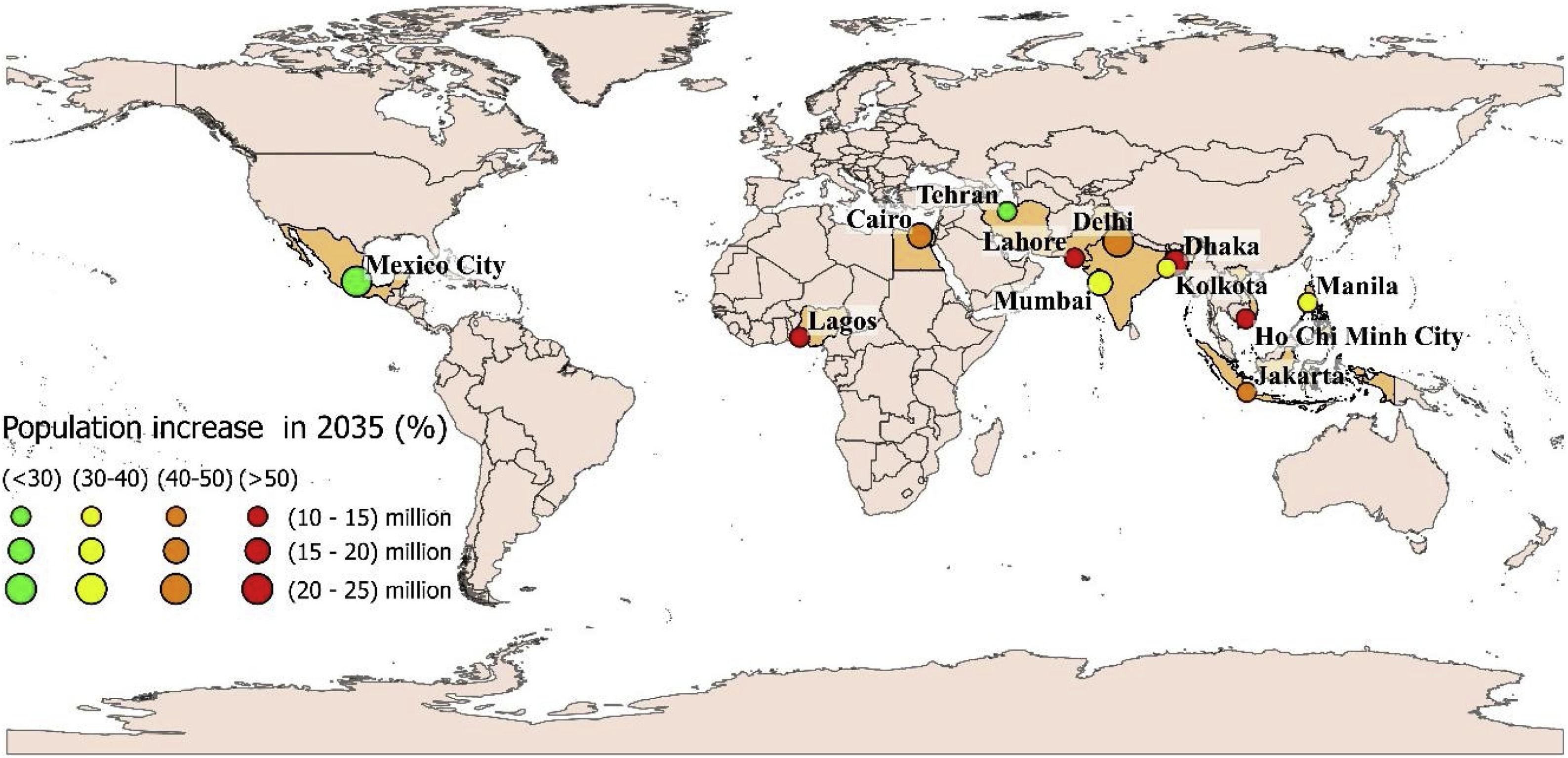
Urbanisation is increasing in many countries, leading to the establishment of 33 megacities, representing huge water demand which is increasingly difficult to supply, exemplified by the recently avoided Day Zero event in Cape Town (2018) and the ongoing water crisis in Chennai, India. The ongoing growth of megacities could lead to the potential for further Day Zero events in countries ill-equipped to deal with such a situation. This study analyses the water supply and demand situations in 12 megacities hosting 194 million people.
Elsevier, Sustainable Cities and Society, Volume 62, November 2020
Deterioration of water quality due to economic development, climate change and other factors has become a challenge to human beings and the ecosystem. Most countries have recognized this problem and have resorted to actions for improving water quality. However, the effect on water quality improvements due to these actions is uncertain due to the plausibility of multiple scenarios like climate change scenarios and socio- economic scenarios.
Elsevier, Journal of Molecular Diagnostics, Volume 22, December 2020
The reported number of cases of Acanthamoeba amebic keratitis (AK) is continually increasing. Molecular diagnosis has become the first choice of ophthalmologists for identifying and confirming this clinically problematic diagnosis. However, in-house molecular diagnostic procedures are time-consuming and may not be compatible with the urgency of the situation. In this study, a previous in-house AK-PCR technique was adapted for use on BD MAX (Becton Dickinson, Heidelberg, Germany), a fully integrated, automated platform for molecular biology, for the rapid routine diagnosis of AK.
Elsevier, Nutritional Epigenomics, 2019, Pages 51-65
This chapter addresses SDG10 and SDG3 by investigating how studying the impact of race and ethnicity on epigenetic differences related to disease may shed light on the biological pathways through which environments contribute to health disparities.