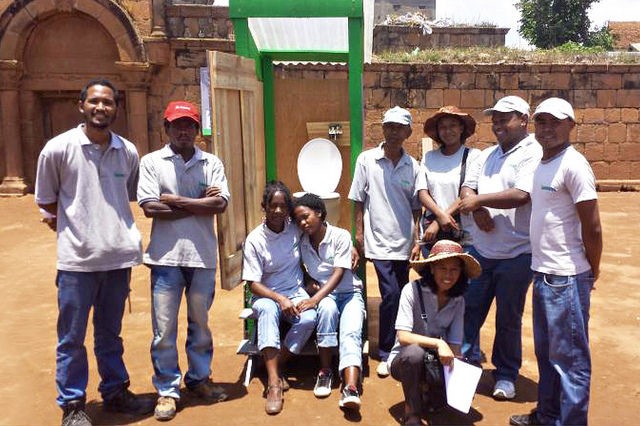
The RELX Group Environmental Challenge is awarded annually to projects that best demonstrate how they can provide sustainable access to safe water where it is presently at risk and/or access to improved sanitation. The 2016 winner was Loowatt - an innovative sanitation solution which also generates power. The Environmental Challenge directly assists SDG 6.1 and 6.2 to achieve universal and equitable access to safe and affordable drinking water and access to adequate and equitable sanitation and hygiene, for all.
Your search request returned 8451 results.
Elsevier, January 2018
The SDGs are all connected. Success in one goal often relies on success in another. The science supporting the SDGs needs to reflect these connections, which is what the Perspectives Project aims to achieve: enabling collaboration between experts from all over the world. The project addresses a core question: how is the SDG agenda influencing scholarly debates in different research areas, and vice-versa? The reviews will cover the breadth of the SDGs and will be published as part of three special issues in three key journals.


ICIS, ICIS News, 06 March 2018
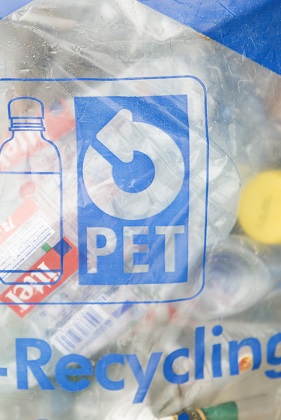
Supporting Goal 12. Higher plastics recycling targets in the EU do not necessarily have to be detrimental to EU polymers producers, who will find new business opportunities in the recycling industry. EU countries will need to improve their recycling systems in order to achieve a more unified approach.
ICIS, ICIS News, 09 February 2018
Supporting Goal 12. The use of plastics in packaging has been thrust into the spotlight in recent months. A renewed focus on marine waste including microplastics as well as still high landfill rates for plastics has led for calls for a reduction in single-use plastics.

Farmers Weekly, 13 April 2018
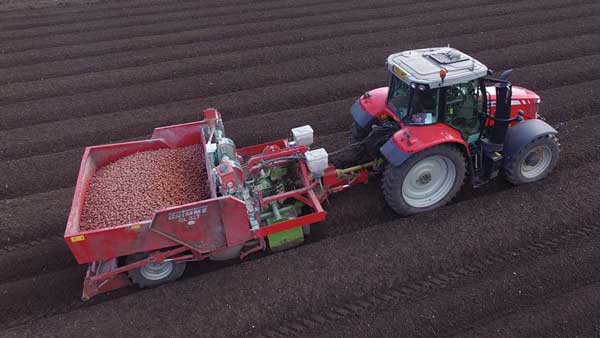
This article explores how innovations can be used to advance goals 2 (zero hunger) and 12 (sustainable consumption and production). Nematicides - products for controlling soil-borne pests in root crops - are under threat of further regulation or withdrawal due to their toxicity. The Nematicide Stewardship Programme is demonstrating they can be used responsibly and safely to ensure their approval is maintained. But one farmer has taken it a step further by using technology to ensure his nematicide is applied accurately.