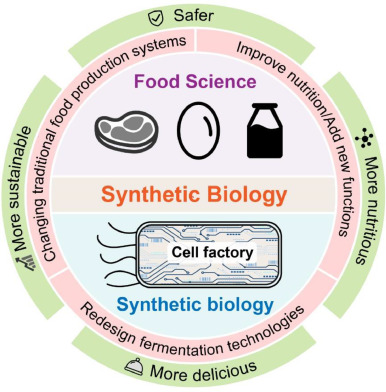
Synthetic biology, an innovative fusion of biology and engineering, has the potential to become a primary driver towards achieving the United Nations' Sustainable Development Goals (SDGs). It employs cutting-edge technologies to construct or redesign biological systems and organisms that may not exist in nature, to solve intricate problems and challenges. It holds a crucial role in achieving SDG 3: Good Health and Well-being by developing novel strategies for disease diagnosis, treatment, and prevention through genetic engineering and creating synthetic vaccines.
Moreover, synthetic biology is instrumental in achieving SDG 2: Zero Hunger, by engineering crops for enhanced nutrition and resilience against pests and climate change, and in creating synthetic meat to reduce the environmental burden of traditional livestock farming. S
imilarly, synthetic biology helps in attaining SDG 6: Clean Water and Sanitation, by engineering microorganisms to degrade pollutants in water resources. Furthermore, it aids in the realization of SDG 7: Affordable and Clean Energy, by using engineered bacteria to produce biofuels, thus reducing our reliance on fossil fuels. Synthetic biology also contributes to SDG 13: Climate Action, through creating synthetic carbon sinks and developing microbes that capture CO2.
Lastly, it supports SDG 15: Life on Land, by combating biodiversity loss through de-extinction efforts and the creation of synthetic organisms to restore damaged ecosystems. However, the application of synthetic biology towards achieving the SDGs is not without challenges. Regulatory, ethical, biosafety, and biosecurity issues need careful consideration. The challenge is to ensure the responsible development and application of synthetic biology to harness its potential fully and safely in accomplishing the SDGs.