Protect, restore and promote sustainable use of terrestrial ecosystems, sustainably manage forests, combat desertification, and halt and reverse land degradation and halt biodiversity loss
Elsevier, Comparative Biochemistry and Physiology Part - C: Toxicology and Pharmacology, Volume 235, September 2020
This article advances SDG # 15 and # 14 by looking at the potential adverse effects relatively high total mercury concentration has on the developing fetus of Steller sea lions.
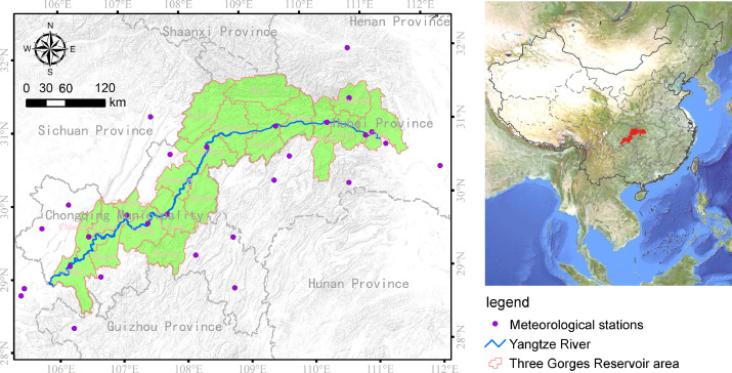
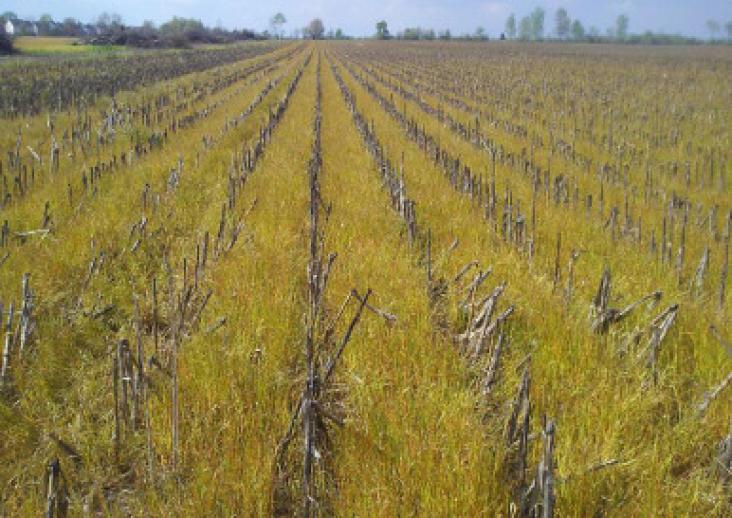
Elsevier, Geography and Sustainability, Volume 1, September 2020
Tillage is the most common agricultural practice dating back to the origin of agriculture. In recent decades, no-tillage (NT) has been introduced to improve soil and water quality.
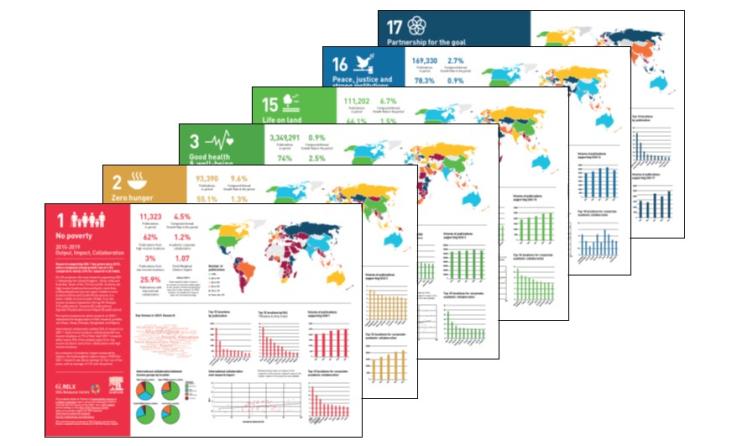
By mapping the state of research within each SDG area, this report acknowledges the pivotal role research plays in tackling some of the world’s greatest challenges. It aims to better understand the research community’s global sustainable development efforts and assesses the progress made, as well as unmet research needs.
Over the past five years, we have used data and analytics to help the research and healthcare communities navigate the sea of research and to put collaboration, both interdisciplinary and international, at the heart of scientific progress on the SDGs. View findings for SDG 15.
Over the past five years, we have used data and analytics to help the research and healthcare communities navigate the sea of research and to put collaboration, both interdisciplinary and inte
This special issue explores the influence that insects and other invertebrates have on ecosystem services and the Sustainable Development Goals (SDGs), and makes a case for insect science to promote a sustainability science approach.
Salinity stress adversely affects root nodulation symbiotic relationships, and ultimately the nitrogen fixation capacity and the growth and yield of leguminous plants.
Elsevier, Soil Biology and Biochemistry, Volume 148, September 2020
Urbanisation involves major changes in environmental conditions such as light, temperature, humidity and noise levels, but the effect of urbanisation on soil conditions and soil biodiversity has re
Elsevier, Soil Biology and Biochemistry, Volume 148, September 2020
Non-target effects of deliberately released organisms into a new environment are of great concern due to their potential impact on the biodiversity and functioning of ecosystems.