In spite of the growing attention towards the overall quality of Marine Protected Areas (MPAs), most empirical studies so far have narrowly focused their assessments on specific natural or social f
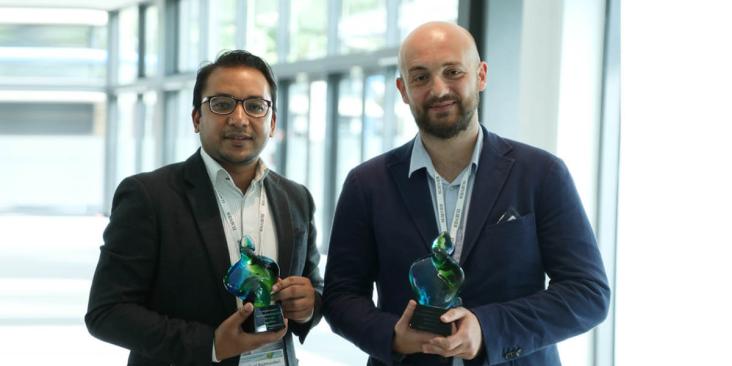
This article highlights the winning proposals of the third edition of the Elsevier Foundation Green & Sustainable Chemistry Challenge. The winning proposals were chosen for their innovative green chemistry aspects and their large positive impact on the environment, contributing to SDGs 2, 12, 13 and 15.
This article explores how innovations can be used to advance goals 2 (zero hunger) and 12 (sustainable consumption and production). Nematicides - products for controlling soil-borne pests in root crops - are under threat of further regulation or withdrawal due to their toxicity. The Nematicide Stewardship Programme is demonstrating they can be used responsibly and safely to ensure their approval is maintained. But one farmer has taken it a step further by using technology to ensure his nematicide is applied accurately.
Wasting food is one of the rare problems that affects our ability to achieve economic goals in terms of food security, environmental sustainability, and farm-financial security.
Elsevier, Journal of Arid Environments, Volume 149, February 2018
Household methodologies (HHM) intervene directly in intra-household gender relations to strengthen overall smallholder agency and efficacy as economic agents and development actors.
Elsevier, Journal of World Business, Volume 53, January 2018
We investigate the influence of FDI in land in agriculture in developing countries, a phenomenon also known as land grabbing, on host country food security, and suggest a differential impact depend
Elsevier, Sustainable Food Systems from Agriculture to Industry, Improving Production and Processing, 2018, Pages 3-46
This book chapter addresses goals 2 and 12 by explaining the current state of food production, the challenges it poses to food security, and options for ensuring global food supply going forward.