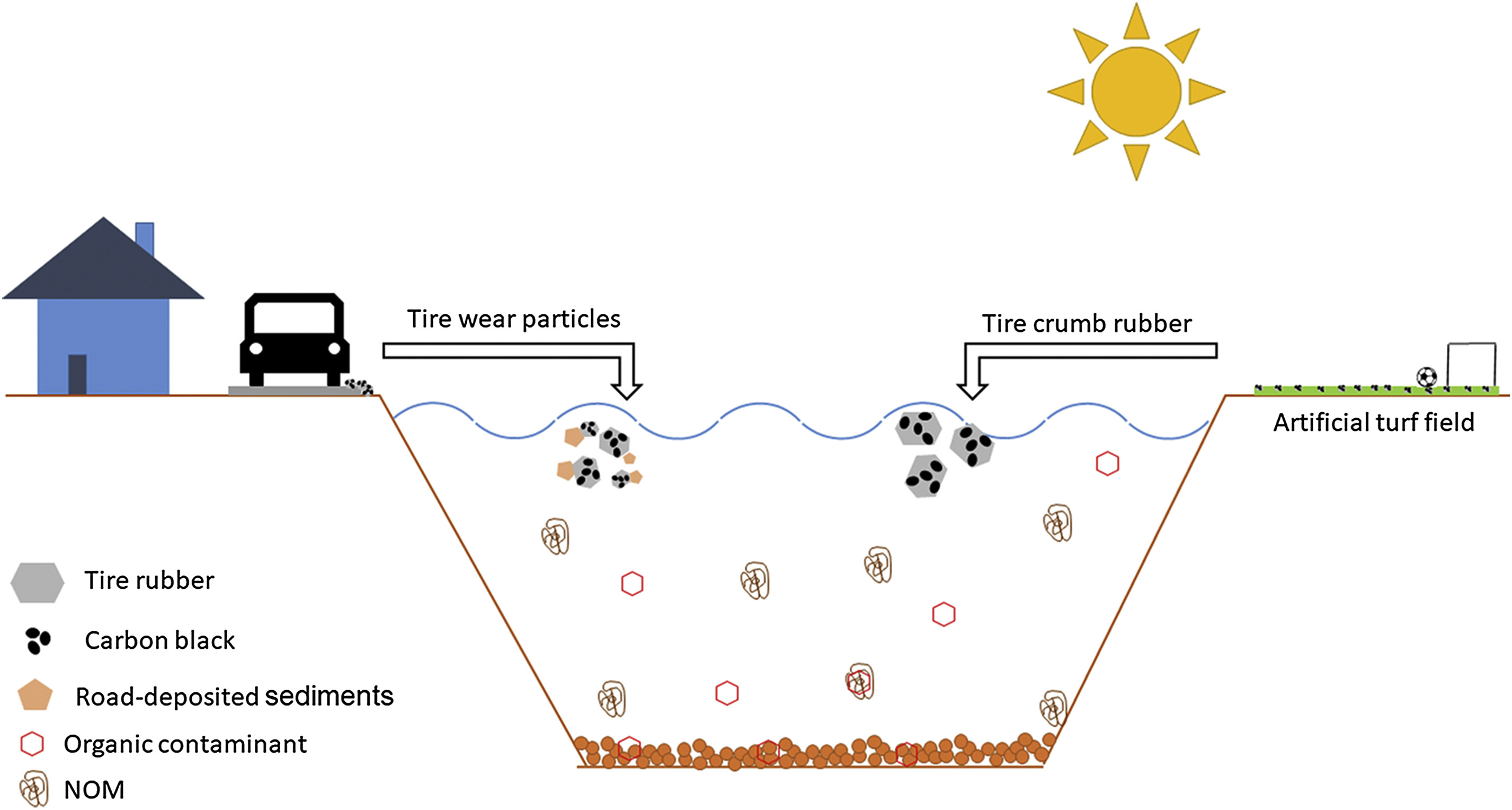
Tire materials are a significant proportion of the (micro)plastics in the environment that until today have been clearly overlooked. These materials are released into the environment, either unintentionally as an abrasion product from tire wear, that reaches the environment via road runoff, or intentionally as, for example, shredded “tire crumble rubber” used as filling material for playgrounds.
Your search request returned 8451 results.
Elsevier, TrAC - Trends in Analytical Chemistry, Volume 110, January 2019
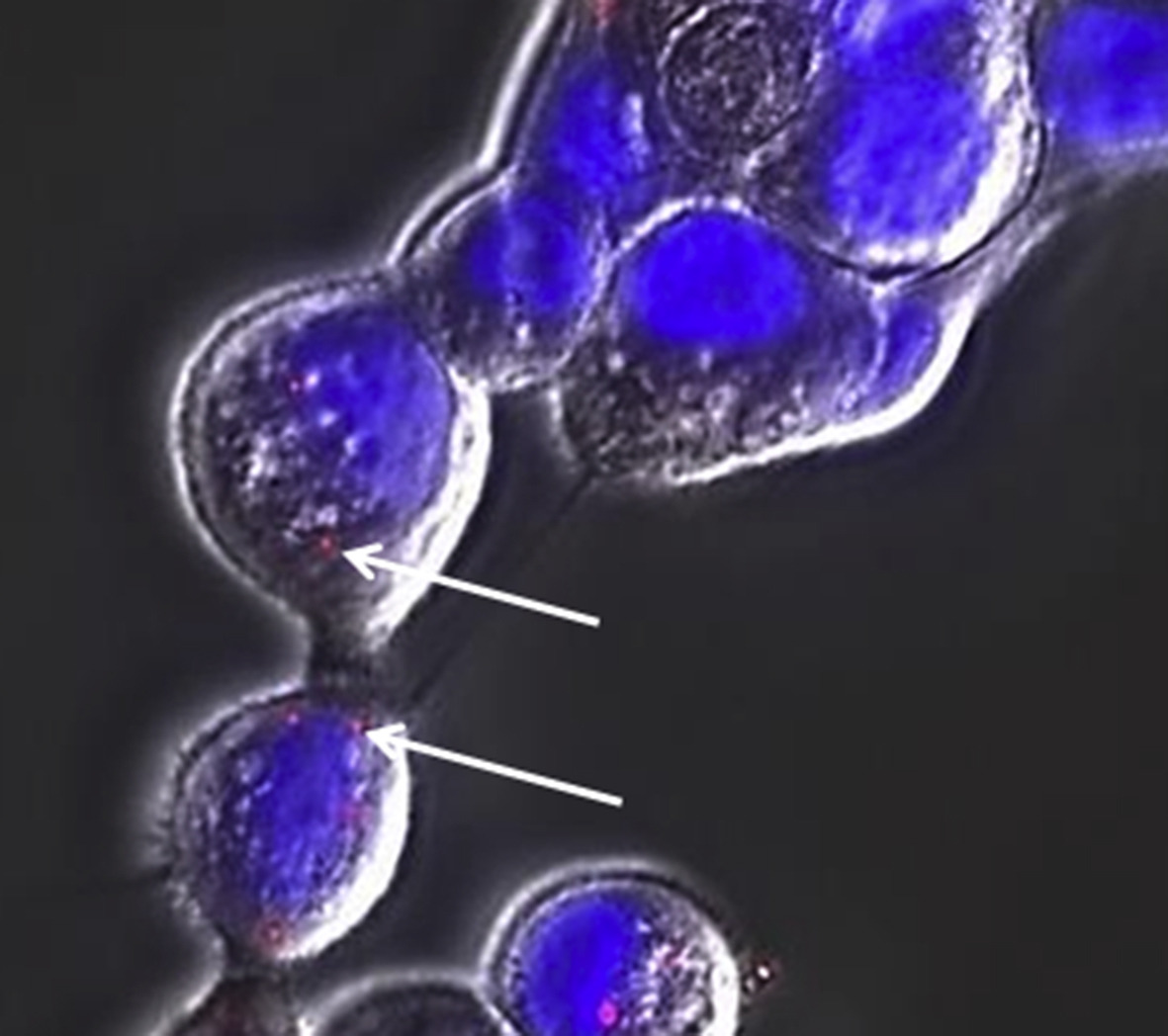
The current paper critically reviews the state-of-the-science on (1) microplastics (MP) types and particle concentrations in freshwater ecosystems, (2) MP and nanoplastics (NP) uptake and tissue translocation, (3) MP/NP-induced effects in freshwater organisms, and (4) capabilities of MP/NP to modulate the toxicity of environmental chemicals.
Elsevier, TrAC - Trends in Analytical Chemistry, Volume 116, July 2019
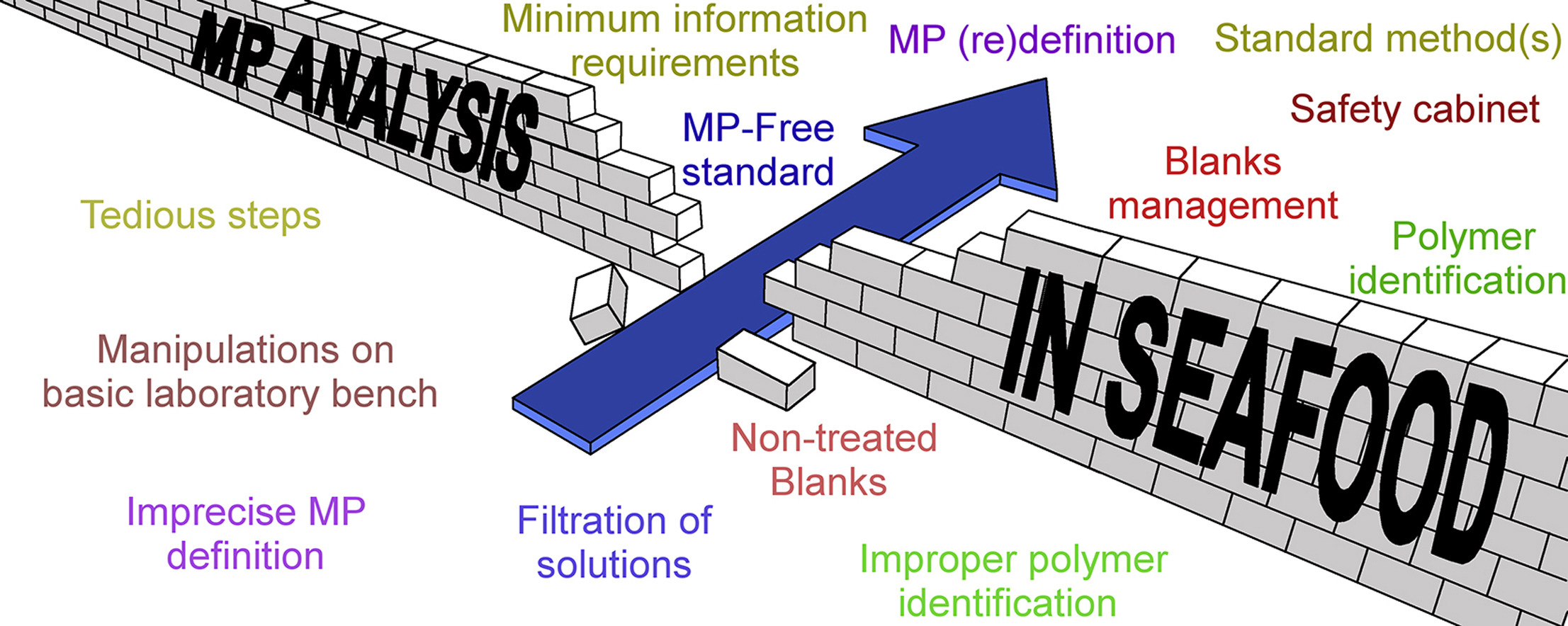
For seventy years, mass plastic production and waste mismanagement have resulted in huge pollution of the environment, including the marine environment. The first mention of seafood contaminated by microplastics was recorded in the seventies, and to date numerous studies have been carried out on shellfish, fish and crustaceans. Based on an ad hoc corpus, the current review aims to report on the numerous practices and methodologies described so far.
Elsevier, TrAC - Trends in Analytical Chemistry, Volume 110, January 2019
Microplastics are widespread contaminants, virtually present in all environmental compartments. However, knowledge on sources, fate and environmental concentration over time and space still is limited due to the laborious and varied analytical procedures currently used. In this work we critically review the methods currently used for sampling and detection of microplastics, identifying flaws in study design and suggesting promising alternatives.
Elsevier, TrAC - Trends in Analytical Chemistry, Volume 113, April 2019
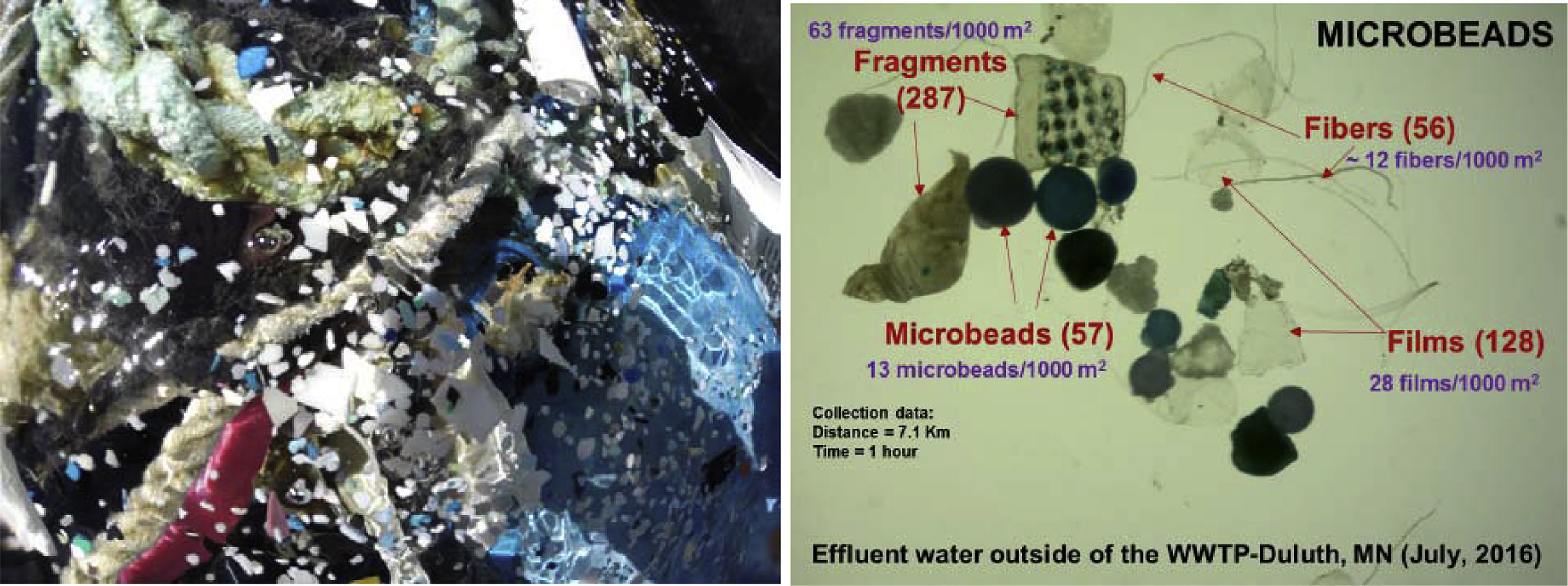
Microplastic (MP) studies in freshwater environments are gaining attention due to the huge quantities of plastic particles reported from lakes and rivers and the potential for negative impacts in these environments. Different units have been used to report MP densities, which makes it difficult to compare data and can result in reports of extremely high concentrations that do not reflect the original sample size. We recommended that the density of MPs from bulk samples be reported as number L −1 , while density from net samples should be reported as number m −3 .

Elsevier, TrAC - Trends in Analytical Chemistry, Volume 110, January 2019
This review provides insight into the abundance, origin, distribution and composition of MPs in the sea surface and water column of the Mediterranean Sea. Literature data on MP particles on the sea surface showed an evident heterogeneous distribution and composition, with marked geographical differences between Mediterranean sub-basins. A standardized protocol for water sampling, extraction and detection of plastic debris is strongly recommended.
Elsevier, TrAC - Trends in Analytical Chemistry, Volume 110, January 2019
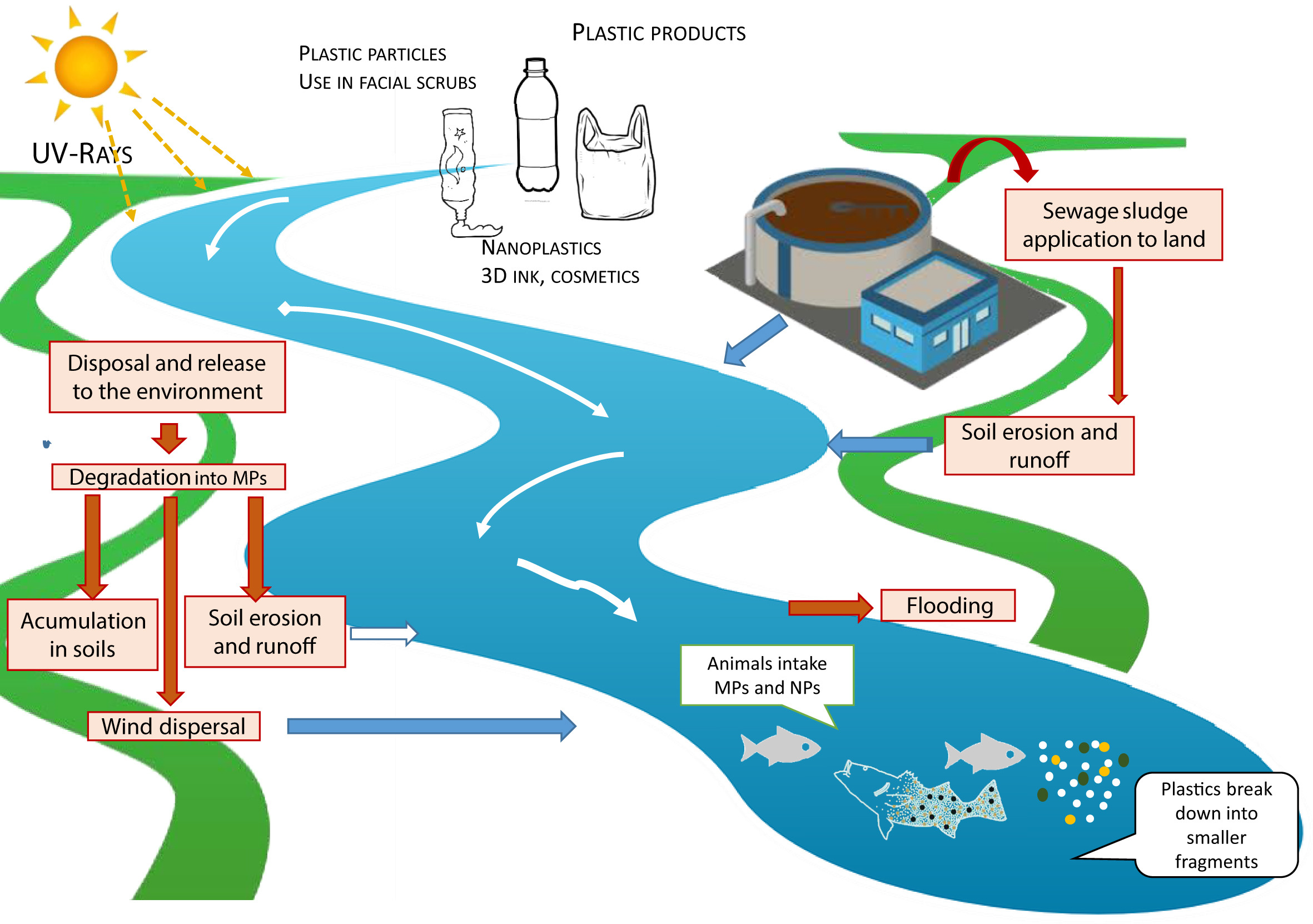
Plastics entering the environment will persist and continue to degrade and fragment to smaller particles under the action of various environmental factors. These microplastics (MP) and nanoplastics (NP) are likely to pose a higher environmental impact, as well as they are more prone to adsorb organic contaminants and pathogens from the surrounding media, due to their higher surface area to volume ratio. Little known on their characteristics, fragmentation, distribution and impact on freshwater ecosystems.
Elsevier, TrAC - Trends in Analytical Chemistry, Volume 109, December 2018
This review discusses the identification and quantification of microplastic (MP) using Raman microspectroscopy (RM). It addresses scientists investigating MP in environmental and food samples. We show the benefits and limitations of RM from a technical point of view (sensitivity, smallest particle sizes, speed optimizations, analysis artefacts and background effects) and provide an assessment of the relevance of lab analyses and their interpretation (sample sizes for the analysis, uncertainty of the analysis).
Elsevier, TrAC - Trends in Analytical Chemistry, Volume 113, April 2019
Plastic pollution is a global problem since 2016 when its production reached 322 million tonnes, excluding fibers. Daily discharges of microplastics (MPs, defined as 5 mm in size) are estimated in the range of 50,000 up to 15 million particles, whereas no information on nanoplastic (NP, 100 nm) release is available yet. Different processes further degraded these materials producing more MPs and NPs.