Contributing to SDGs 8 and 16, the Interactive Map for Business of Anti-Human Trafficking Organisations includes information on the organisations that work with the business sector to combat modern slavery.
Your search request returned 8466 results.
Advancing goals 8 and 9, this webinar explores how technology can advance decent work in global supply chains, with a specific focus on the potential of blockchains.
In this webinar, the UN Global Compact provide an overview of their “2020 Vision” and hear from engaged stakeholders on the importance of peace, justice and strong institutions (goal 16) to sustainable business – not only as the foundation for business responsibilities but also for business success.
Elsevier, The Lancet, January 16, 2019
Furthering SDGs 2 and 12, this report argues that feeding a population of 10 billion people by 2050 with a healthy and sustainable diet will be impossible without transforming eating habits, improving food production and reducing food waste.
Elsevier, Clinical Epidemiology and Global Health, Volume 6, September 2018
Objective: Foreign-origin street children are vulnerable to HIV/AIDS mainly due to poverty, violence, early sexual activity and poor access to health care services. This study aimed to highlight the effectiveness of peer education intervention to reduce HIV-risky behavior among street children with Afghan nationality. Methods: Sixty-one street children were stratified by sex and then randomly allocated to either an intervention or control group by assigning each participant computerized random numbers.
Elsevier, Forest Policy and Economics, Volume 49, 1 December 2014
This paper investigates how three aspects of governance systems, namely the policy context, the influence of key agents and their discursive practices, are affecting national-level processes of policy design aimed at REDD. +, reducing emissions from deforestation and forest degradation in developing countries; and the role of conservation, sustainable management of forests and enhancement of forest carbon stocks in developing countries. We conducted analysis in six REDD. + countries (Brazil, Cameroon, Indonesia, Nepal, Papua New Guinea and Vietnam).
Elsevier, Journal of Vocational Behavior, Volume 107, August 2018
Who wants to become a business leader? We investigated whether young adults' work values (i.e., the importance placed on different job characteristics and rewards) predict their entrepreneurial aspirations (i.e., the intention to create a venture) and leadership aspirations (i.e., the intention to become a leader in a business context). Furthermore, we illuminated whether gender differences in work values contribute to the pervasive gender gap in these aspirations.
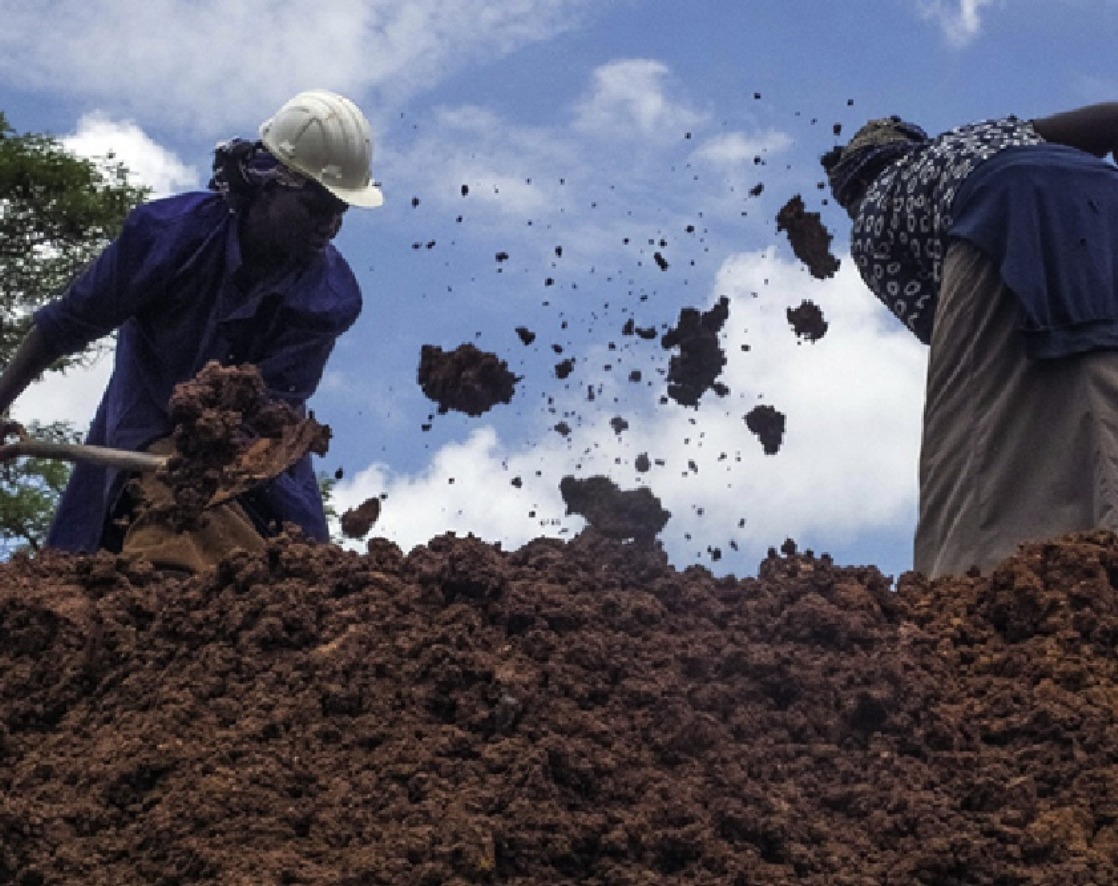
Elsevier, Extractive Industries and Society, Volume 5, January 2018
This article examines how Fairtrade is transforming artisanal and small-scale gold mining. Focusing on the ‘Extending Fairtrade Gold to Africa’ project in Kenya, Uganda and Tanzania, it demonstrates how Fairtrade is becoming embedded within local formalization contexts and organizational dynamics. The Project is at an early stage; therefore, findings consider emerging issues. By probing what solidarities at a distance imply for gold mining, the article elaborates on how artisanal and small-scale miner organisations are developing to produce gold for Fairtrade markets.
Elsevier, Marine Policy, Volume 95, September 2018
Small-scale fisheries (SSFs) constitute a critical socioeconomic sector by providing a source of income and animal protein for fishing communities worldwide. In Uruguay this sector has traditionally been neglected. More recently, the Uruguayan government has shown an increasing interest in readdressing this situation by setting a high-level policy for SSFs. This paper addresses the long-term process from conceptualization to operationalization of the Ecosystem Approach to Fisheries (EAF) in Uruguayan SSFs.