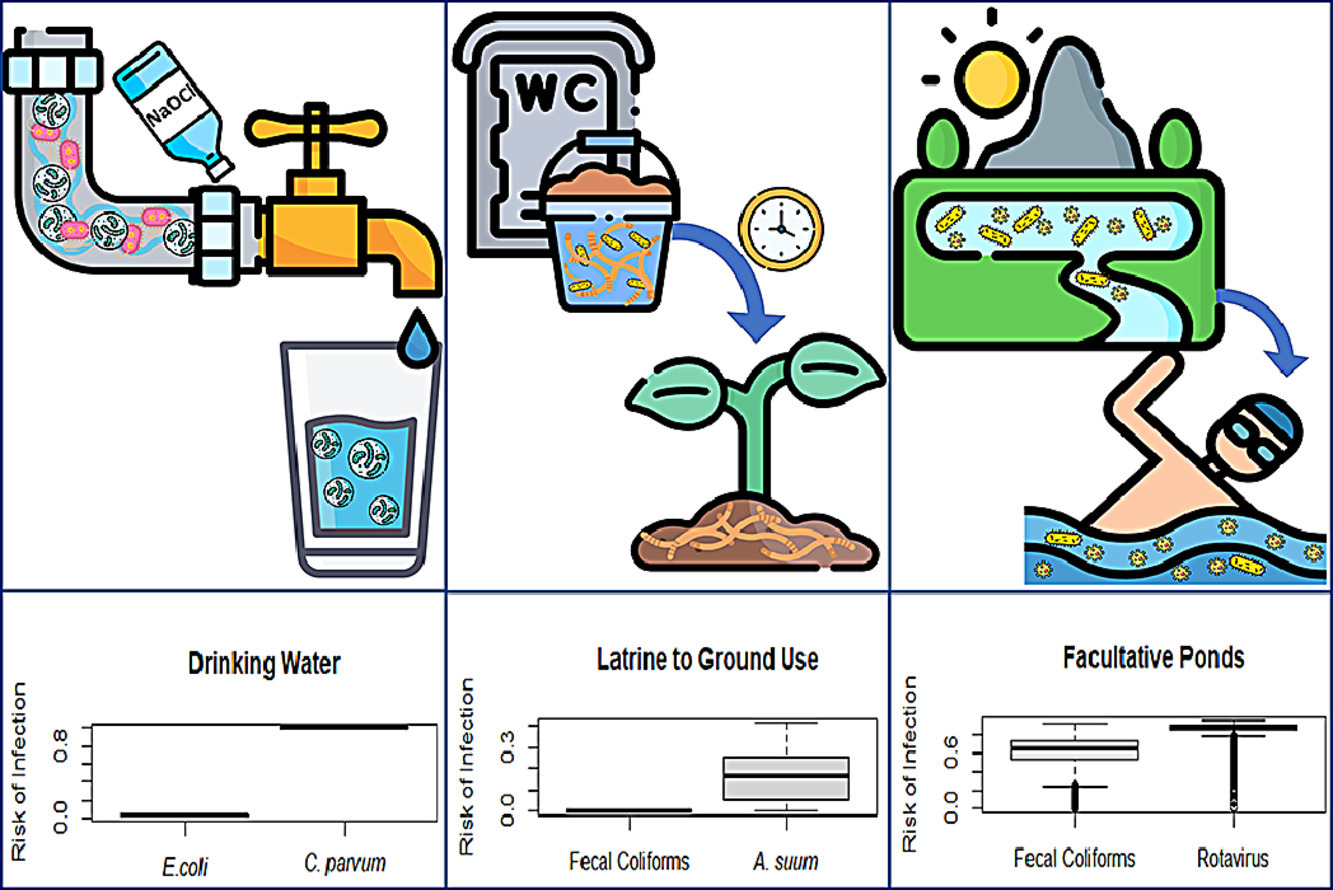
Water and wastewater utilities, water and sanitation hygiene (WASH) practitioners, and regulating bodies, particularly in developing nations, rely heavily on indicator microorganisms, as opposed to pathogens, for much of their regulatory decisions. This commentary illustrates the importance of considering pathogens and not relying only on indicator organisms when making decisions regarding water and sanitation, especially with respect to meeting the current targets of the Sustainable Development Goal (SDG) 6.
Your search request returned 8466 results.
Elsevier, Water Research, Volume 186, 1 November 2020
Cities are wrestling with the practical challenges of transitioning urban water services to become water sensitive; capable of enhancing liveability, sustainability, resilience and productivity in the face of climate change, rapid urbanisation, degraded ecosystems and ageing infrastructure. Indicators can be valuable for guiding actions for improvement, but there is not yet an established index that measures the full suite of attributes that constitute water sensitive performance.
Elsevier, Journal of Cleaner Production, Volume 277, 20 December 2020
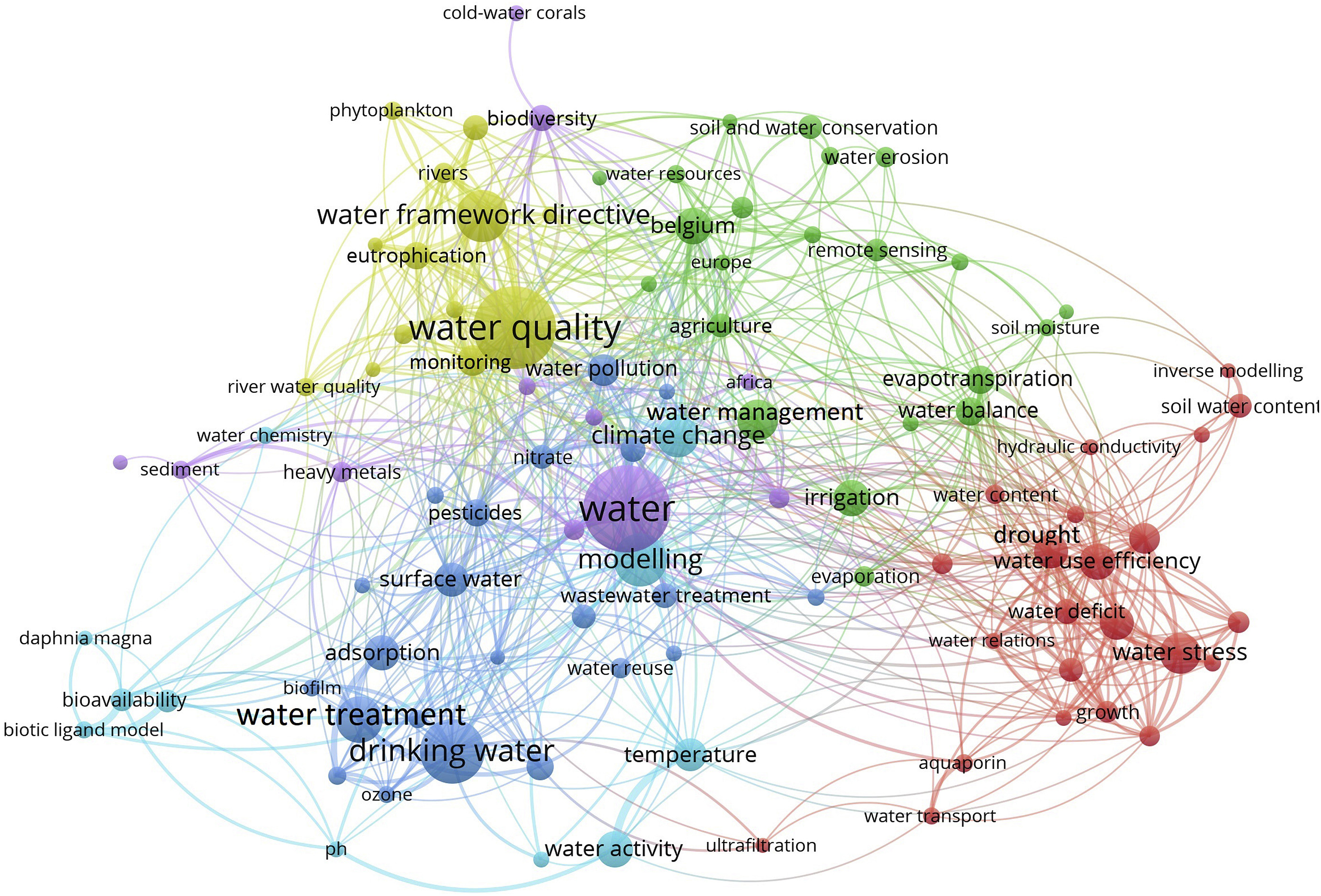
Reaching the Sustainable Development Goal (SDG) 6 on water and sanitation is fundamentally important and conditional to the achievement of all the other SDGs. Nonetheless, achieving this goal by 2030 is challenging, especially in the Global South. Science lies at the root of sustainable development and is a key to new solutions for addressing SDG 6. However, SDG 6-related scientific outputs are often unknown, forming disconnections between academic world and practitioners implementing solutions.
Elsevier, Science of the Total Environment, Volume 669, 15 June 2019
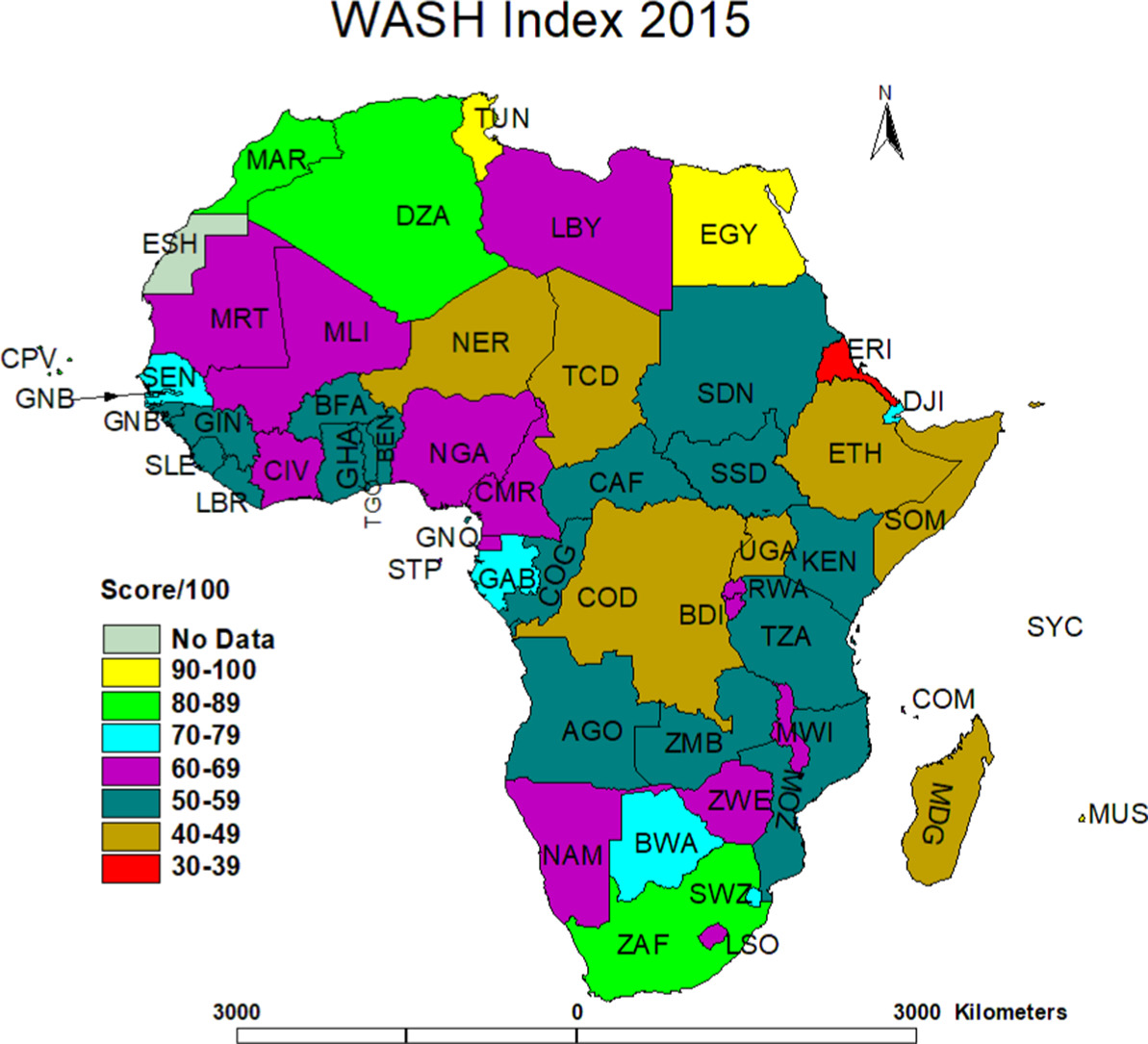
Water–Sanitation–Hygiene (WASH) remains vital for the 2030 Agenda for Sustainable Development, yet many countries have not localised the 17 Sustainable Development Goals (SDGs), including SDG 6, which focuses on ensuring the availability and sustainable management of water and sanitation for all. Even in leading African economies such as South Africa, many communities still use the bucket system for sanitation.
Elsevier, International Journal of Hygiene and Environmental Health, Volume 230, September 2020
Background: Access to safe sanitation and the elimination of open defecation are pre-conditions for improved child health and nutrition and wider achievement of the Sustainable Development Goals (SDGs). While Indonesia has a solid policy framework, the country ranks third globally in terms of numbers of people practicing open defecation. Objectives: Our aim was to assess the effectiveness of a five-year strategy to reduce open defecation through accelerating implementation of the national sanitation program across districts receiving variable levels of external support.

Elsevier, Environmental Science and Policy, Volume 114, December 2020
Recent policy developments in Europe consider the importance of water ecosystems to human wellbeing and the detrimental effects that multiple pressures may have on them. Several directives and measures which culminated with the design and the implementation of the Water Framework Directive, have attempted to address the issue of sustainable water management while aligning with targets of economic development.
Elsevier, Case Studies in Chemical and Environmental Engineering, Volume 2, September 2020
Data in 2016 and 2017 has shown that most of Malaysia's river water quality was in Water Quality Index Class II and Class III. The implementation of the Movement Control Order (MCO) has restricted business activities, human movements as well as anthropogenic activities. The sudden decline in human activities has directly impacted the river water quality. Several observations conducted by reporters of local newspapers, reports released by the Department of Environment (DoE) and Ministry of Environment and Water have shown positive changes in water river quality.

Elsevier, Case Studies in Chemical and Environmental Engineering, Volume 2, September 2020
As the global production of plastics continues to accelerate, the ubiquitous presence of microplastics (μPs) has emerged as a significant marine problem. To comprehend fully the potential impacts and ecological harm caused by μPs it is vital that there is an understanding of their potential sources and sinks; the processes affecting their distribution; and their uptake and exchange in ecosystems.
Elsevier, Case Studies in Chemical and Environmental Engineering, Volume 2, September 2020
This review goal is to reflect on the challenges and prospects for water quality in the face of the pandemic caused by the new SARS-CoV-2 coronavirus (COVID-19). Based on the information available so far, the detection of SARS-CoV-2 RNA in wastewater has raised interest in using it as an early warning method, to detect the resurgence of infections and to report the risk associated with contracting SARS-CoV-2 in contact with untreated water or inadequately treated wastewater is discharged.
Elsevier, Case Studies in Chemical and Environmental Engineering, Volume 2, September 2020
Water pollution is one of the serious threats in the society. More than 8 million tons of plastic are dumped in the oceans each year. In addition to that beaches are littered by tourists and residents all around the world. It is no secret that the aquatic life ecosystem is at a risk and soon the ratio of plastic/waste to the marine life particulary fish will be 1:1. Hence, in this paper, we have proposed a dataset known as AquaTrash which is based on TACO data set.