This book chapter advances SDGs 10 and 13 by explaining how current psychological perspectives on social identity, identity-based motivation, and belonging help shape public engagement and identify key social psychological processes that may contribute to persistent and substantial disparities in the environmental sector.
Your search request returned 8466 results.
Elsevier, Social Ecology in the Digital Age, 2018, Pages 265-317
This chapter advances SDGs 3 and 11 by identifying strategies for improving the design and sustainability of built environments. Resilience and sustainability are viewed at different scales as they apply to buildings, neighborhoods, communities, regional, and global ecosystems.
Elsevier, The Developing Microbiome, 2020, Pages 21-41
This book chapter advances SDGs 3 and 10 by explaining how the acquisition of microbial communities during early life is closely intertwined with children’s immune and metabolic development. Environmental influences like prenatal maternal factors, delivery mode, peripartum antibiotic administration, nutrition, and the indoor microbiome in the hospital and home play a part during this critical early window.
Elsevier, Clinical and Translational Perspectives on Wilson Disease, 2019, Pages 354-353
This book chapter advances SDGs 3 and 10 by explaining that is is generally believed that Wilson's Disease is more common in Chinese populations than the average worldwide prevalence of 1:30,000, but it has been reported among ethnic minorities in mainland China.
Elsevier, Effects of Lifestyle on Men's Health, 2019, Pages 149-168
This book chapter advances SDGs 3 and 10 by explaining how obesity is a significant health problem, especially among the people living in developed countries, which also has detrimental effects on the male urogenital system.
Elsevier, Chronic Kidney Disease in Disadvantaged Populations, 2017, Pages 273-289
This book chapter advances SDGs 3 and 10 by ensuring equitable access to medications, technologies and clinical care are central to service delivery for effective screening, prevention and kidney disease management.
Elsevier, Current Problems in Diagnostic Radiology, Volume 51, 1 May 2022
Increasing recognition within the medical literature and by the Accreditation Council for Graduate Medical Education has been attributed to the need for enhanced resident education on concepts related to public health and health equity. Despite increasing documentation of pervasive inequalities within the scope of radiology, dedicated curricula designed to improve cultural competency and understanding of healthcare disparities among radiology trainees remains sparse.
Elsevier, European Journal of Radiology Open, Volume 8, January 2021
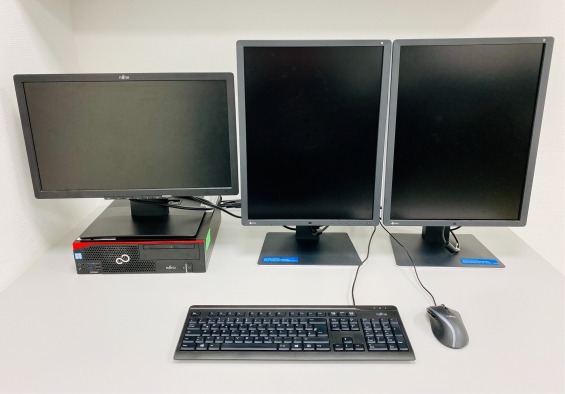
Purpose: Besides diagnostic imaging devices, in particular computed tomography (CT) and magnetic resonance imaging (MRI), numerous reading workstations contribute to the high energy consumption of radiological departments. It was investigated whether switching off workstations after core working hours can relevantly lower energy consumption considering both ecological and economical aspects.