International Day of Non-Violence 2026
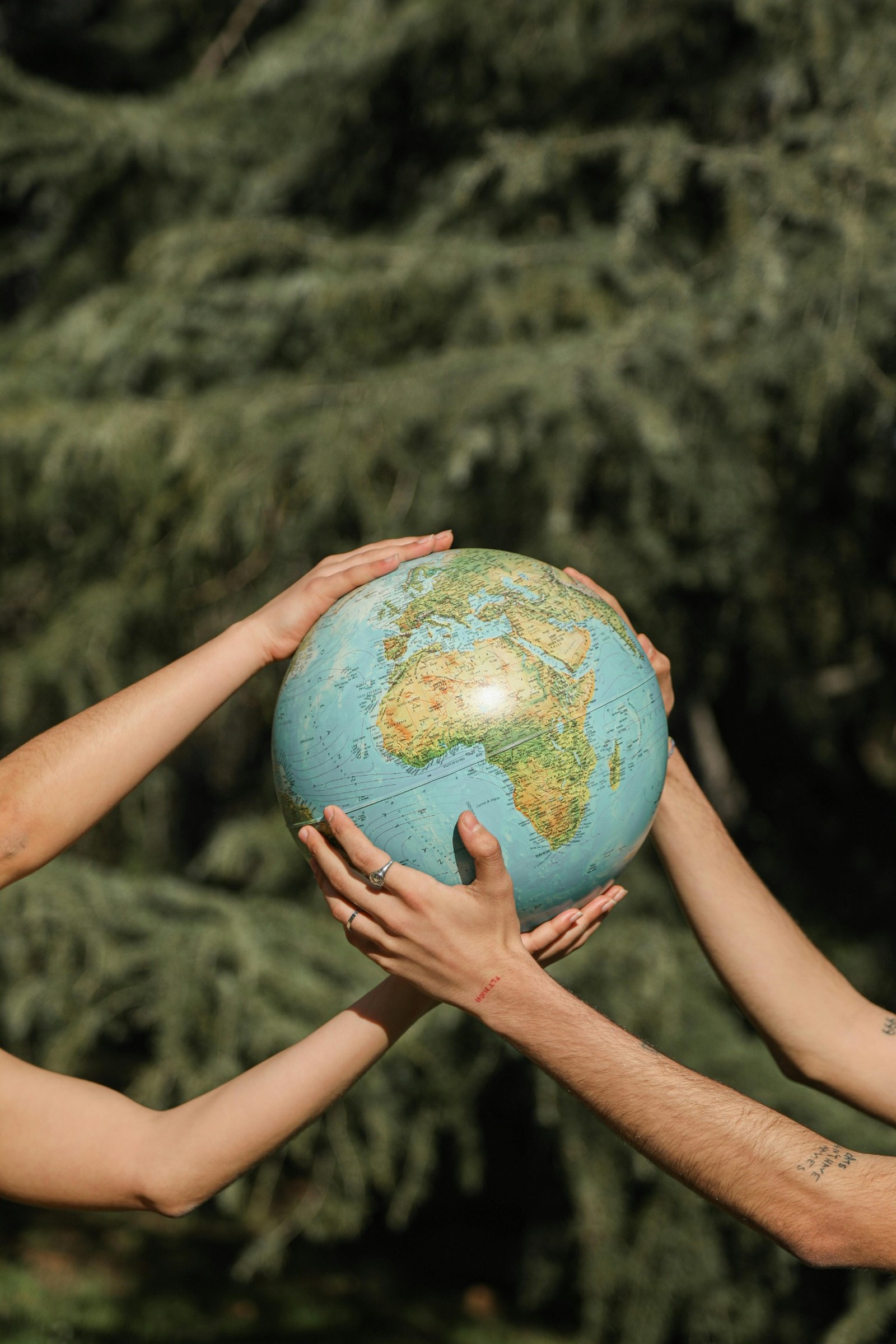
2026’s International Day of Non-Violence: Advancing Peace and Dialogue
Observed on Thursday, October 2, 2026, the International Day of Non-Violence honors the birth of Mahatma Gandhi, whose leadership and philosophy of non-violent resistance inspire movements for civil rights and social change worldwide. The day invites people and institutions to disseminate the message of non-violence, strengthen dialogue, and advance a culture of peace and understanding.
Global Recognition and the United Nations Involvement
The UN General Assembly, through Resolution A/RES/61/271 adopted on 15 June 2007, established this observance to promote education and public awareness around non-violence. The date—2 October—marks Gandhi’s birthday and symbolizes a global commitment to end suffering, advance diplomacy, and heal divisions. At UN Headquarters, the “Knotted Gun” sculpture at the Visitors’ Plaza stands as an emblem of the resolve to reject violence and build a just, sustainable peace.
2026 Commemorative Event
Date & Time: 2 October 2026, 15:00 EDT
Venue: CR 8, UN Headquarters, New York
Organized by the Permanent Mission of India to the United Nations, this special session celebrates Gandhi’s legacy and invites global participation via UN Web TV.
The Goals of the International Day of Non-Violence
-
Spread Non-Violence Through Education: Encourage learning, training, and public awareness that reject physical violence as a means of change.
-
Foster a Culture of Peace: Strengthen tolerance, understanding, and cooperation across communities and nations.
-
Honor Gandhi’s Legacy: Recognize the enduring relevance of non-violent action in achieving just ends through just means.
-
Mobilize Civic Action: Highlight three core avenues of non-violent strategy, protest & persuasion, non-cooperation, and non-violent intervention.
Advancing Non-Violence in Practice
Non-violence is a technique for effective political action not passivity. It channels conflict into constructive, people-powered strategies that withdraw consent from injustice and build fairer systems. From classrooms to councils, commitments to human rights education, intercultural dialogue, and ethical civic participation turn ideals into outcomes.
Engagement and Global Solidarity
Mark October 2, 2026 by learning, convening, and speaking out against violence in all forms. Governments, organizations, and individuals can educate, organize, and act non-violently to cultivate societies grounded in dignity and justice. Join the international community in renewing the resolve that there is no way to peace - peace is the way.
International Day of Non-Violence Themes
| Year | Theme | Description |
|---|---|---|
| 2019 | Climate Action for Peace | Linked the urgency of climate action to the broader goal of global peace, emphasizing the role of environmental efforts in fostering non-violence and conflict prevention. |
| 2020 | Shaping Peace Together | Encouraged global unity and compassion during the COVID-19 pandemic, promoting kindness and rejecting discrimination or hate. |
| 2021 | Promoting Non-Violence and Ahimsa | Focused on Gandhi’s philosophy of ahimsa and the enduring relevance of non-violence in confronting modern crises like inequality, conflict, and injustice. |
| 2022 | Education for Human Flourishing | Stressed the need for holistic education that nurtures empathy, moral reasoning, and peaceful coexistence, grounded in Gandhi’s values. |
| 2023 | Non-Violence in a Changing World | Reinforced the timeless message of non-violence and Gandhi’s teachings as tools to address racism, inequality, conflict, and environmental injustice. |
| 2024 | Celebrating Peace, Tolerance, and the Legacy of Mahatma Gandhi | Focused on Gandhi’s enduring legacy and a global call to resolve conflict with compassion, dialogue, and peaceful activism. |
| 2025 | Act Now for a Peaceful World | Calls for urgent collective action across all levels of society to promote peace, prevent violence, and honor the legacy of non-violent resistance. |
Connection to the Sustainable Development Goals
The International Day of Non-Violence 2026 advances the United Nations Sustainable Development Goals by strengthening peaceful societies, inclusive governance, and human rights education.
SDG 16: Peace, Justice, and Strong Institutions – Encourages non-violent civic participation, rule of law, accountable governance, and trust-building across communities.
SDG 4: Quality Education – Promotes peace education, conflict resolution skills, and respect for human rights in schools and institutions.
SDG 10: Reduced Inequalities – Supports inclusive, non-violent approaches to addressing discrimination and structural injustice.
SDG 17: Partnerships for the Goals – Strengthens collaboration among governments, civil society, and international organizations through dialogue and cooperation.
How the Event Is Observed
The International Day of Non-Violence 2026 is observed through educational programs, policy discussions, commemorative events, and public awareness campaigns organized by the United Nations, Member States, academic institutions, and civil society groups.
At United Nations Headquarters in New York, a commemorative event hosted by the Permanent Mission of India will honor Mahatma Gandhi’s legacy and promote dialogue-based solutions to global challenges. Events worldwide may include workshops on conflict resolution, youth dialogues, community forums, and digital campaigns advocating non-violent engagement.
The observance encourages practical strategies rooted in protest and persuasion, non-cooperation, and non-violent intervention as constructive tools for social change.
Key Facts at a Glance
Date: 2 October 2026
Established by: United Nations General Assembly
UN Resolution: A/RES/61/271 (2007)
Commemorates: Birth anniversary of Mahatma Gandhi
Symbol: “Knotted Gun” sculpture at UN Headquarters
Primary focus: Education, dialogue, and non-violent civic action
Frequently Asked Questions – International Day of Non-Violence 2026
What is the International Day of Non-Violence?
It is a United Nations-recognized international observance held annually on October 2 to promote non-violence, dialogue, and peaceful conflict resolution.
Why is October 2 chosen?
October 2 marks the birth anniversary of Mahatma Gandhi, whose philosophy of non-violent resistance continues to influence global movements for justice and civil rights.
When was the day established?
The United Nations General Assembly established the observance in 2007 through Resolution A/RES/61/271.
Is non-violence passive?
No. Non-violence is an active strategy for social and political change that channels conflict into constructive, organized action without physical harm.
How can individuals participate?
Individuals can attend events, promote peace education, engage in respectful dialogue, support human rights initiatives, and reject violence in daily interactions and public discourse.
References
United Nations General Assembly. “Resolution A/RES/61/271.”
https://undocs.org/A/RES/61/271
United Nations. “International Day of Non-Violence.”
https://www.un.org/en/observances/non-violence-day