The planetary boundaries framework proposes quantified guardrails to human modification of global environmental processes that regulate the stability of the planet and has been considered in sustai
Elsevier, Remote Sensing of Environment, Volume 239, 15 March 2020
In the face of the growing challenges brought about by human activities, effective planning and decision-making in biodiversity and ecosystem conservation, restoration, and sustainable development
Elsevier, Geography and Sustainability, Volume 1, March 2020
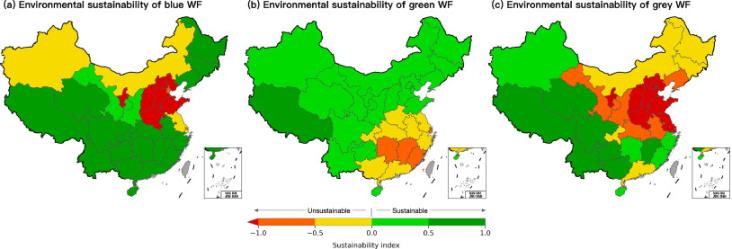
Water footprint (WF) measures human appropriation of water resources for consumptive use of surface and ground water (blue WF) and soil water (green WF) and for assimilating polluted water (grey WF
Elsevier, Plastic Waste and Recycling, Environmental Impact, Societal Issues, Prevention, and Solutions, 2020, pages 223 - 249
This book chapter addresses goals 14, 15, and 12 by exploring the origins of microplastics (relating to our society, production and consumption) and the diverse and harmful impacts of microplastics in the marine environment on life underwater, as well as interactions with humans and other life on land at the end of the cycle.
Elsevier, World Development, Volume 126, February 2020
With the increasing importance of ‘emerging powers’ in the global economy, questions are raised about the role of developing countries in shaping global norms.
Elsevier, One Earth, Volume 2, Issue 1, 2020, Pages 98-108
In this study, we use a new type of satellite data looking at vegetation water and photosynthesis to compare the success of different reforestation methods, using China's Three-North Shelterbelt Program as a case study.