This book chapter addresses goals 13, 14, 15 and 17 by discussing the definition of biodiversity that is both scientifically sensible and universally applicable; this is imperative to help guide the design of policy and programs for the future, as well as to make critical decisions in the present.
Your search request returned 8451 results.

The SDG Impact of COVID-19 podcast series gathers expert opinion exploring the impact of COVID-19 on the Sustainable Development Goals. In this segment, we get the view of Susan Myers, Strategic Advisor at Goal 17 Partners.
The SDG Impact of COVID-19 podcast series gathers expert opinion exploring the impact of COVID-19 on the Sustainable Development Goals. In this segment, we get the view of Vic Van Vuuren, Director of the Enterprises Department at the ILO.
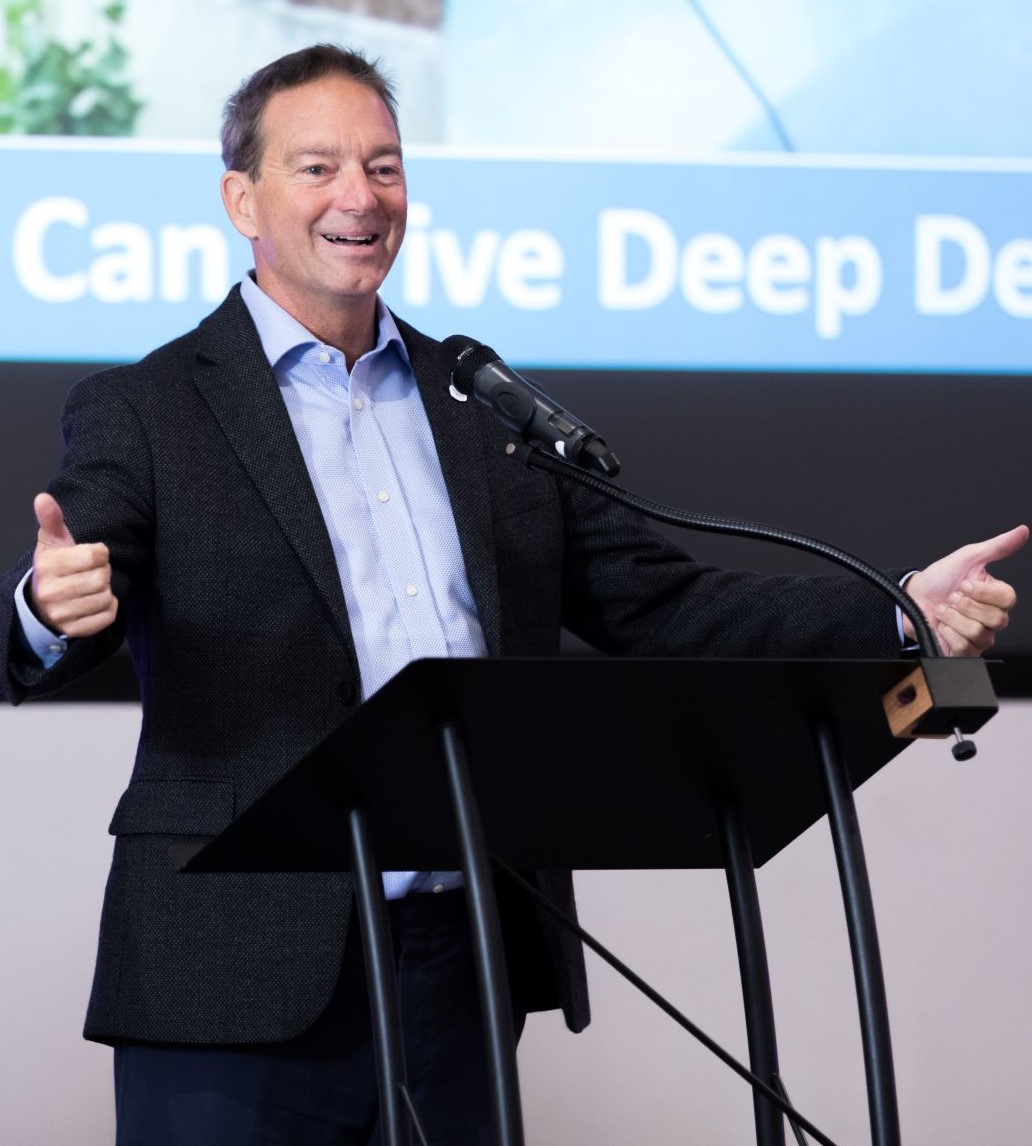

The SDG Impact of COVID-19 podcast series gathers expert opinion exploring the impact of COVID-19 on the Sustainable Development Goals. In this segment, we get the view of Andy Dewis, Vice President of International Solutions, Energy & Sustainability Services at Schneider Electric.

Elsevier, Building and Environment, Volume 97, February 15, 2016
Over the past decades, detailed individual building energy models (BEM) on the one side and regional and country-level building stock models on the other side have become established modes of analysis for building designers and energy policy makers, respectively. More recently, these two toolsets have begun to merge into hybrid methods that are meant to analyze the energy performance of neighborhoods, i.e. several dozens to thousands of buildings. This paper reviews emerging simulation methods and implementation workflows for such bottom-up urban building energy models (UBEM).
Elsevier, June 2020
World Environment Day is the most renowned day for environmental action. Since 1974, it has been celebrated every year on June 5th, engaging governments, businesses, celebrities and citizens to focus their efforts on a pressing environmental issue. In 2020, the theme is biodiversity, a concern that is both urgent and existential. Recent events, from bushfires in Brazil, the United States and Australia, to locust infestations across East Africa – and now, a global disease pandemic – demonstrate the interdependence of humans and the webs of life in which they exist.
Elsevier, One Earth, Volume 1, 22 November 2019
Over US$60 trillion is predicted to be spent on new infrastructure globally by 2040. Is it possible to meet UN Sustainable Development Goal (SDG) 9 (develop infrastructure networks) without sacrificing goals 14 and 15 (ending biodiversity loss)? We explore the potential role of “no net loss” (NNL) policies in reconciling these SDGs.