Alzheimer's disease is the most common form of dementia and is a serious health problem. The disease is expected to increase further in the upcoming years with the increase of the elderly population. Developing new treatments and diagnostic methods is getting more important. In this study, we focused on the early diagnosis of dementia in Alzheimer's disease via analysis of neuroimages. We analyzed the data diagnosed by the Alzheimer's Disease Neuroimaging Initiative (ADNI) protocol.
Your search request returned 8452 results.
Elsevier, Journal of Neuroscience Methods, Volume 327, 1 November 2019
Background: Compared to previous neuropsychological investigations with standard paper-pen tests limited to test complex spatial learning and memory processes, 3-D virtual immersive technology might offer new tools for research purposes and for diagnosis in patients suffering from mild cognitive impairment or dementia. Comparison with existing methods: Current software proposes a customizable VR environment combined with an analyser module based on regions of interest and some parameters of analysis or pre-calibrated VR mazes with raw data.
Elsevier, Neurobiology of Aging, Volume 88, April 2020
We examined whether cognitive reserve (CR) impacts level of, or rate of change in, biomarkers of Alzheimer's disease (AD) and small-vessel cerebrovascular disease in >250 individuals who were cognitively normal and middle-aged and older at the baseline. The four primary biomarker categories commonly examined in studies of AD were measured longitudinally: cerebrospinal fluid measures of amyloid (A) and tau (T); cerebrospinal fluid and neuroimaging measures of neuronal injury (N); and neuroimaging measures of white matter hyperintensities (WMHs) to assess cerebrovascular pathology (V).
Advancing SDGs 7 and 13, this article outlines why divesting from fossil fuels makes sense environmentally and financially.
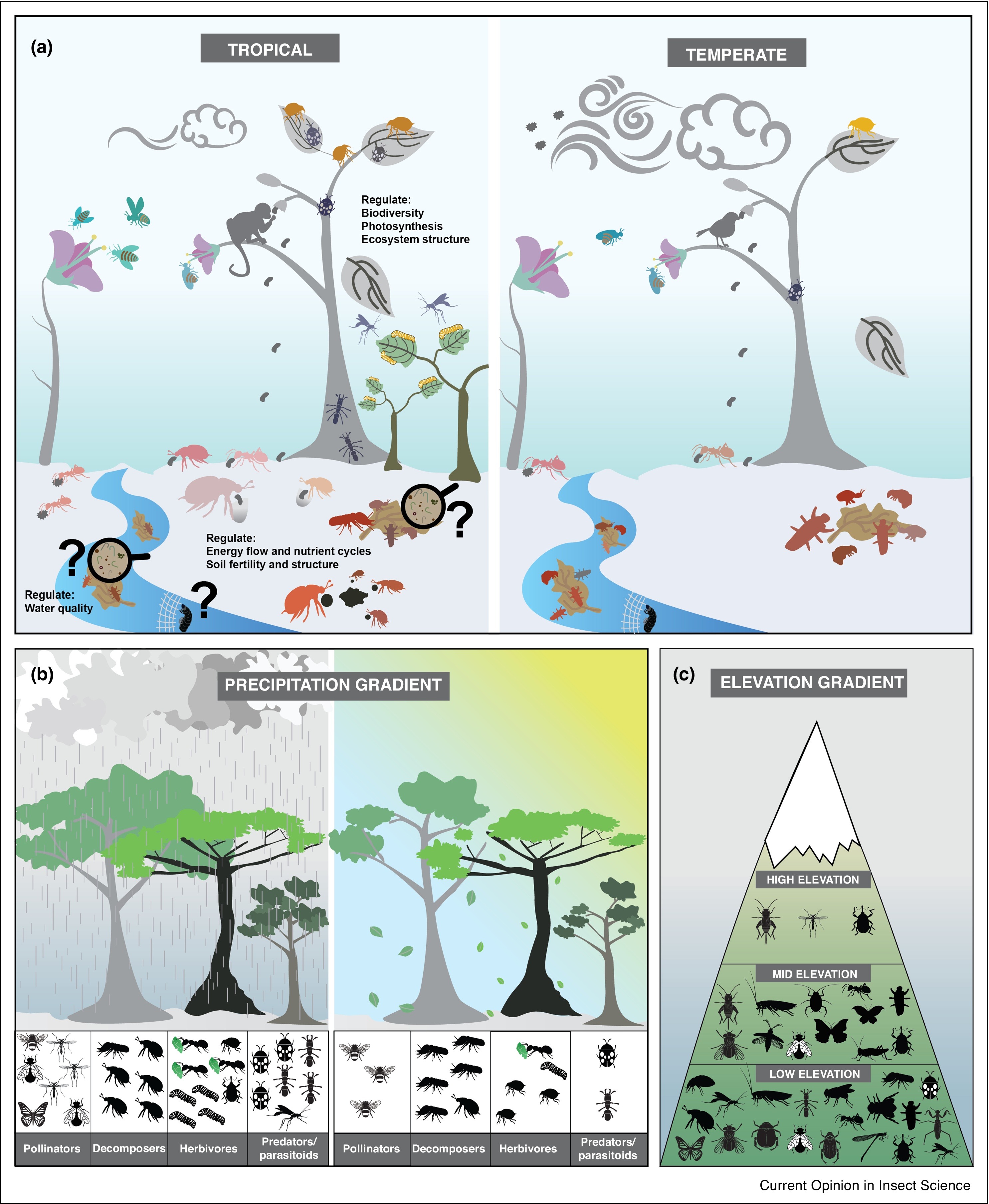
Elsevier, Current Opinion in Insect Science, Volume 40, August 2020
Tropical insects are astonishingly diverse and abundant yet receive only marginal scientific attention. In natural tropical settings, insects are involved in regulating and supporting ecosystem services including seed dispersal, pollination, organic matter decomposition, nutrient cycling, herbivory, food webs and water quality, which in turn help fulfill UN Sustainable Development Goals (SDGs). Current and future global changes that affect insect diversity and distribution could disrupt key ecosystem services and impose important threats on ecosystems and human well-being.
Contributing to SDG 13, this article explores alternative ways to mark Earth Day that do not undermine efforts to tackle the COVID-19 pandemic.
Partner contentGlobal Citizen
Contributing to SDGs 3, 7 and 13, this article explores the serious threat posed by climate change to global public health.
Linked to SDGs 1 and 3, this articles examines how the fallout of the COVID-19 pandemic could push 40 to 60 million people into extreme poverty, the first increase in global poverty since 1998.
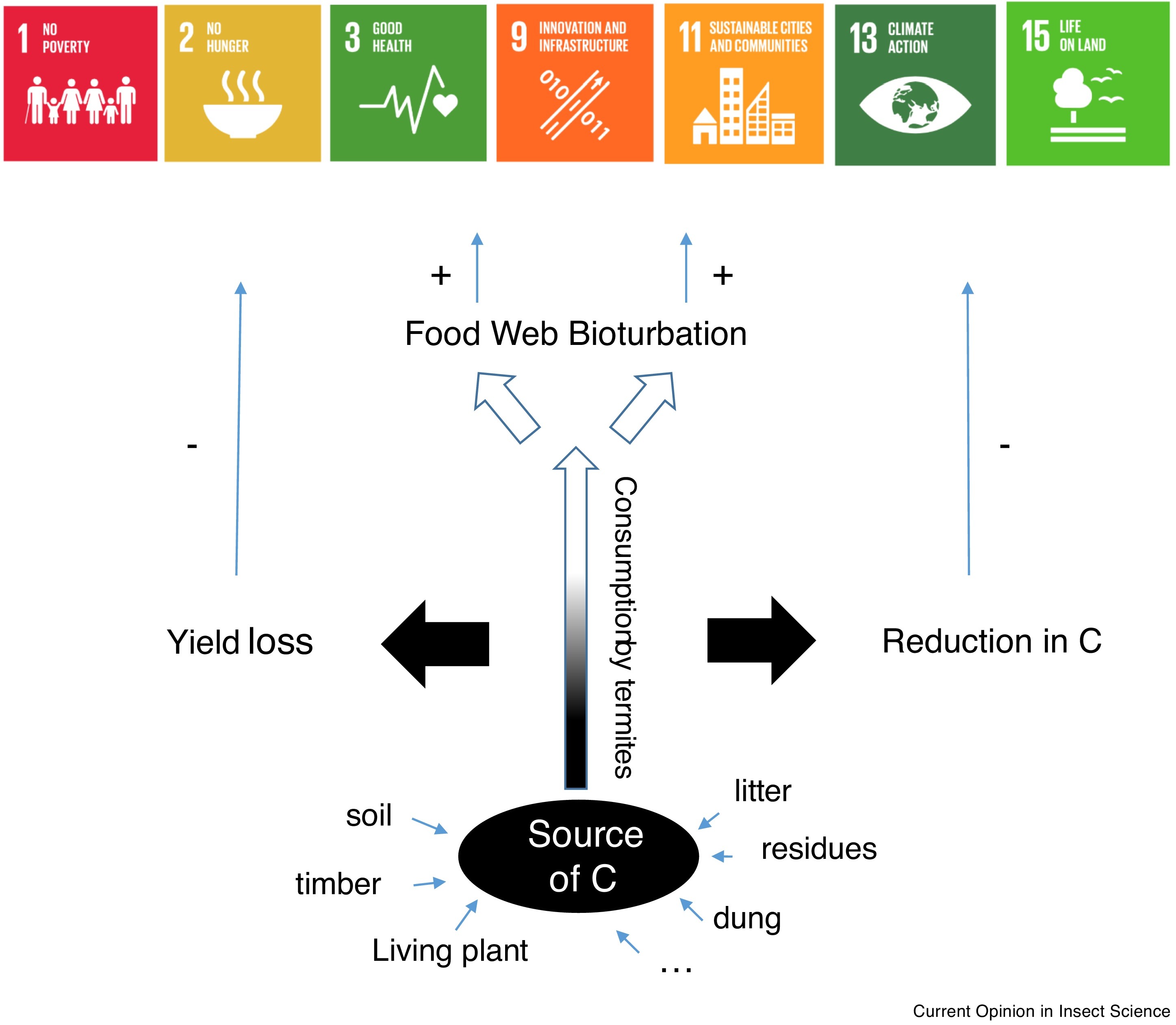
Elsevier, Current Opinion in Insect Science, Volume 40, August 2020
Termites are amongst the main macroinvertebrate decomposers in tropical ecosystems and they exert additional impacts through the creation of biostructures (mounds, galleries, sheetings, etc.) with different soil physical and chemical properties, thereby impacting positively on numerous ecosystem services for humankind. Unfortunately, this positive or ‘bright’ role of termites is often overshadowed by their ‘dark’ side, that is, their status as pests threatening agriculture and constructions.

The SDG Impact of COVID-19 podcast series gathers expert opinion exploring the impact of COVID-19 on the Sustainable Development Goals. In this segment, we get the view of Sandra Kerr, Director of Race Equality at Business in the Community.