High-tech products like batteries and electronics contain a variety of valuable, scarce, and in some cases potentially harmful materials, but in only a few exceptional cases (such as lead-acid batteries) is the material being recovered efficiently. Cotributing to SDGs 7, 9 and 12, this special issue seeks to elucidate the technical and institutional difficulties inherent in recycling these products and provide a forum for sharing potential ways to overcome them.
Your search request returned 8452 results.
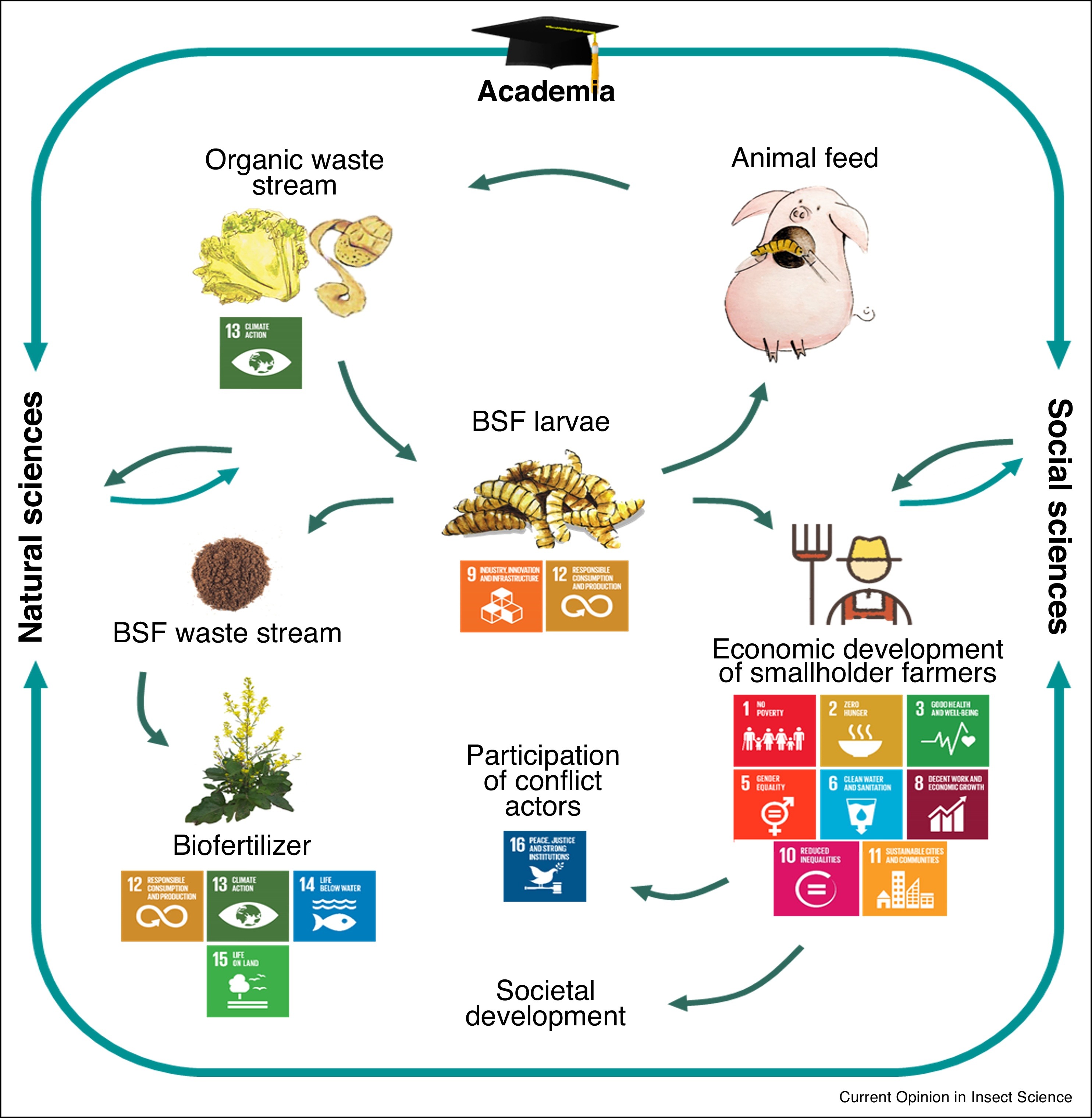
Elsevier, Current Opinion in Insect Science, Volume 40, August 2020
Insects such as the black soldier fly (BSF) are a nutritious feed component for livestock with high protein levels. BSF can be reared on a wide range of organic residual streams. This allows for local production within a circular agriculture, decoupling livestock production from import of expensive feed components, such as fishmeal or soymeal. Rearing of BSF can be done by smallholder farmers, thus contributing to their livelihood, economic sustainability and social status. Smallholder farmers contribute importantly to food security, which is a prerequisite for a stable society.
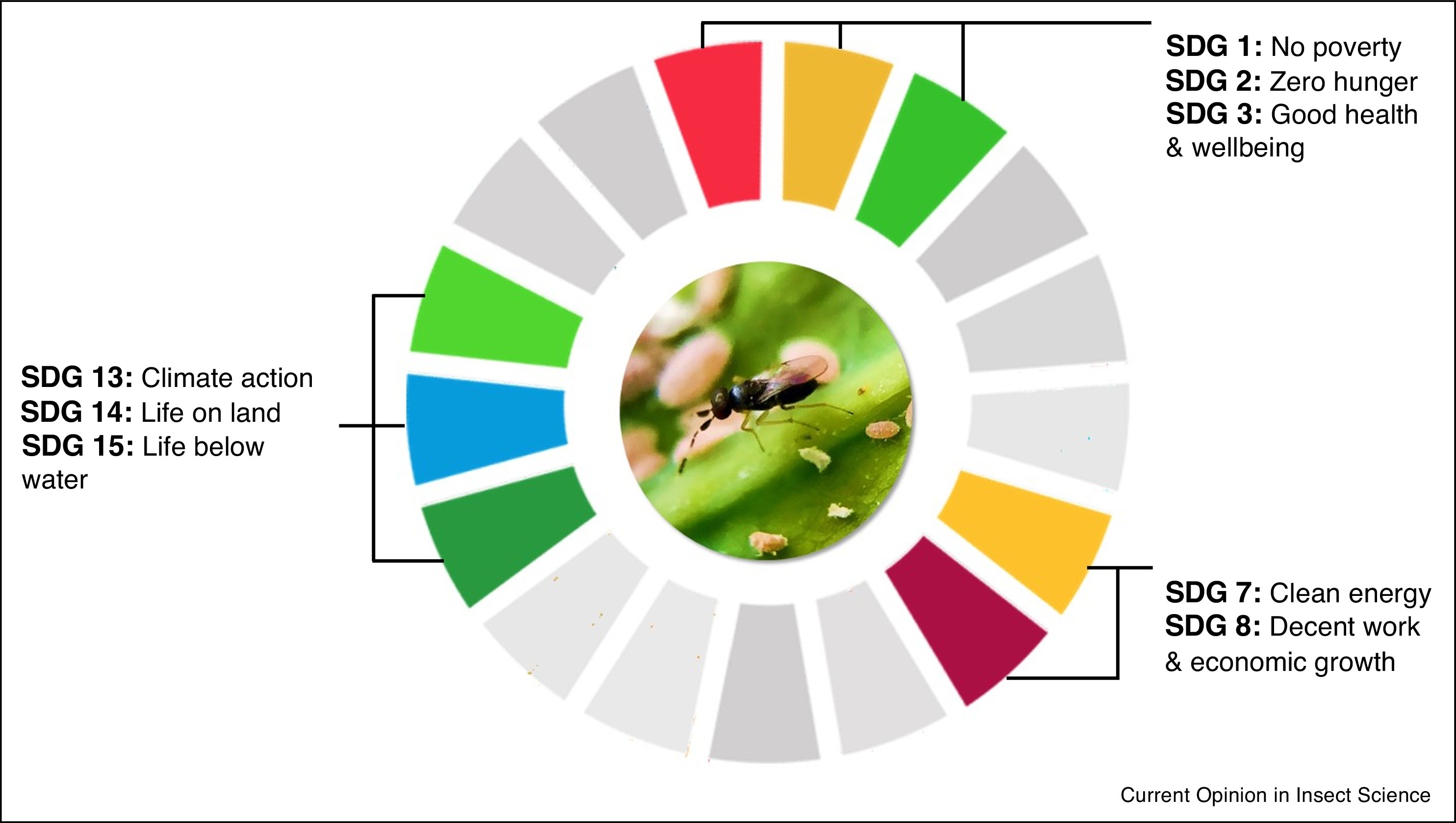
Elsevier, Current Opinion in Insect Science, Volume 40, August 2020
Insects are indispensable actors within global agri-food systems and ensure the delivery of myriad ecosystem services. A progressive decline in insect numbers — as inflicted by habitat loss, pollution or intensive agriculture — can jeopardize a sustained provisioning of those services. Though we routinely disregard how insects help meet multiple sustainable development challenges, a gradual insect decline can have grave, long-lasting consequences.
Advancing SDGs 4 and 5, this article discusses how stereotypical assumptions about boys’ reading skills affect students’ reading outcomes.
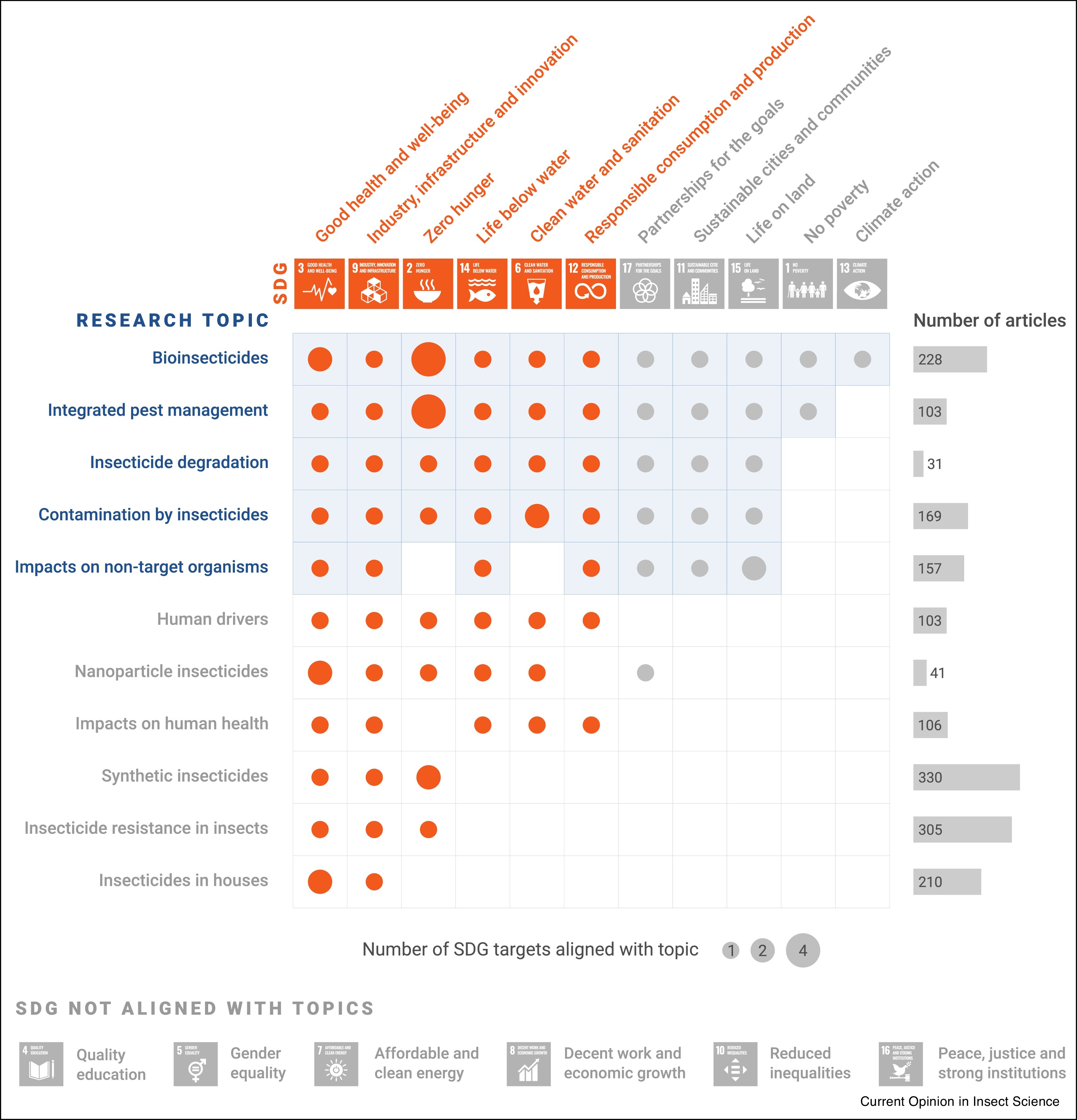
Elsevier, Current Opinion in Insect Science, Volume 40, August 2020
Tropical cropping systems are highly dependent on synthetic insecticides, which generates sustainability issues. We performed a bibliometric analysis of the current insecticide literature (2017–2019) and used the Sustainable Development Goals roadmap to identify research topics in insecticide research that should be promoted to attain sustainable cropping systems.
Elsevier, Journal of Aging Studies, Volume 48, March 2019
The current paper addresses the nature of epistemic injustice as it may be experienced by persons with dementia. We describe how theoretical models of stigma align with the current model of epistemic injustice through a consideration of the concepts of ‘stereotype’ ‘prejudice’ and ‘discrimination’ shared by the two models. We draw on current understandings of dementia-related stigma to expand understandings of the epistemic injustice faced by persons with dementia.
Elsevier, Mechanisms of Ageing and Development, Volume 190, September 2020
Diagnosis of Alzheimer's disease (AD) is often difficult because of distinct and subjective clinical features, especially in the early stage. FOXO3a protein present in the cognitive centre of brain in inferior temporal region and parahippocampus. FOXO3a can be a potential novel target against AD. AD, Mild Cognitive impairment (MCI) and Geriatric Control (GC) were recruited after diagnosis by clinical assessment, MRI, TauPET and FDG-PET. We have quantified serum FOXO3a by surface plasmon resonance (SPR) and compare with TauPET between of AD, MCI patients and GC.
Elsevier, Neurobiology of Disease, Volume 139, June 2020
Objectives: The mechanisms leading to neurodegeneration in Alzheimer's disease (AD) may involve oxidative stress and neuroinflammation. Ceruloplasmin (Cp) is a circulating protein that intersects both these pathways, since its expression is increased during the acute phase response, and the protein acts to lower pro-oxidant iron in cells. Since the role of Cp in AD, and its potential for use as a biomarker is not established, we investigated CSF Cp and its association with longitudinal outcome measures related to AD.
Elsevier, Molecular and Cellular Neuroscience, Volume 97, June 2019
The aggregation of fibrils of hyperphosphorylated and C-terminally truncated microtubule-associated tau protein characterizes 80% of all dementia disorders, the most common neurodegenerative disorders. These so-called tauopathies are hitherto not curable and their diagnosis, especially at early disease stages, has traditionally proven difficult. A keystone in the diagnosis of tauopathies was the development of methods to assess levels of tau protein in vivo in cerebrospinal fluid, which has significantly improved our knowledge about these conditions.