The past decade has witnessed a burst of study regarding antibiotic resistance in the environment, mainly in areas under anthropogenic influence. Therefore, impacts of the contaminant resistome, that is, those related to human activities, are now recognized. However, a key issue refers to the risk of transmission of resistance to humans, for which a quantitative model is urgently needed. This opinion paper makes an overview of some risk-determinant variables and raises questions regarding research needs.
Your search request returned 8452 results.
Elsevier, The Lancet Infectious Diseases, Volume 17, 1 February 2017
In February, 2016, WHO released a report for the development of national action plans to address the threat of antibiotic resistance, the catastrophic consequences of inaction, and the need for antibiotic stewardship. Antibiotic stewardship combined with infection prevention comprises a collaborative, multidisciplinary approach to optimise use of antibiotics. Efforts to mitigate overuse will be unsustainable without learning and coordinating activities globally.
Elsevier, Science of the Total Environment, Volume 616-617, March 2018
As emerging contaminants, antibiotic resistance genes (ARGs) have become a public concern. This study aimed to investigate the occurrence and diversity of ARGs, and variation in the composition of bacterial communities in source water, drinking water treatment plants, and tap water in the Pearl River Delta region, South China. Various ARGs were present in the different types of water. Among the 27 target ARGs, floR and sul1 dominated in source water from three large rivers in the region.
Elsevier, TrAC - Trends in Analytical Chemistry, Volume 111, February 2019
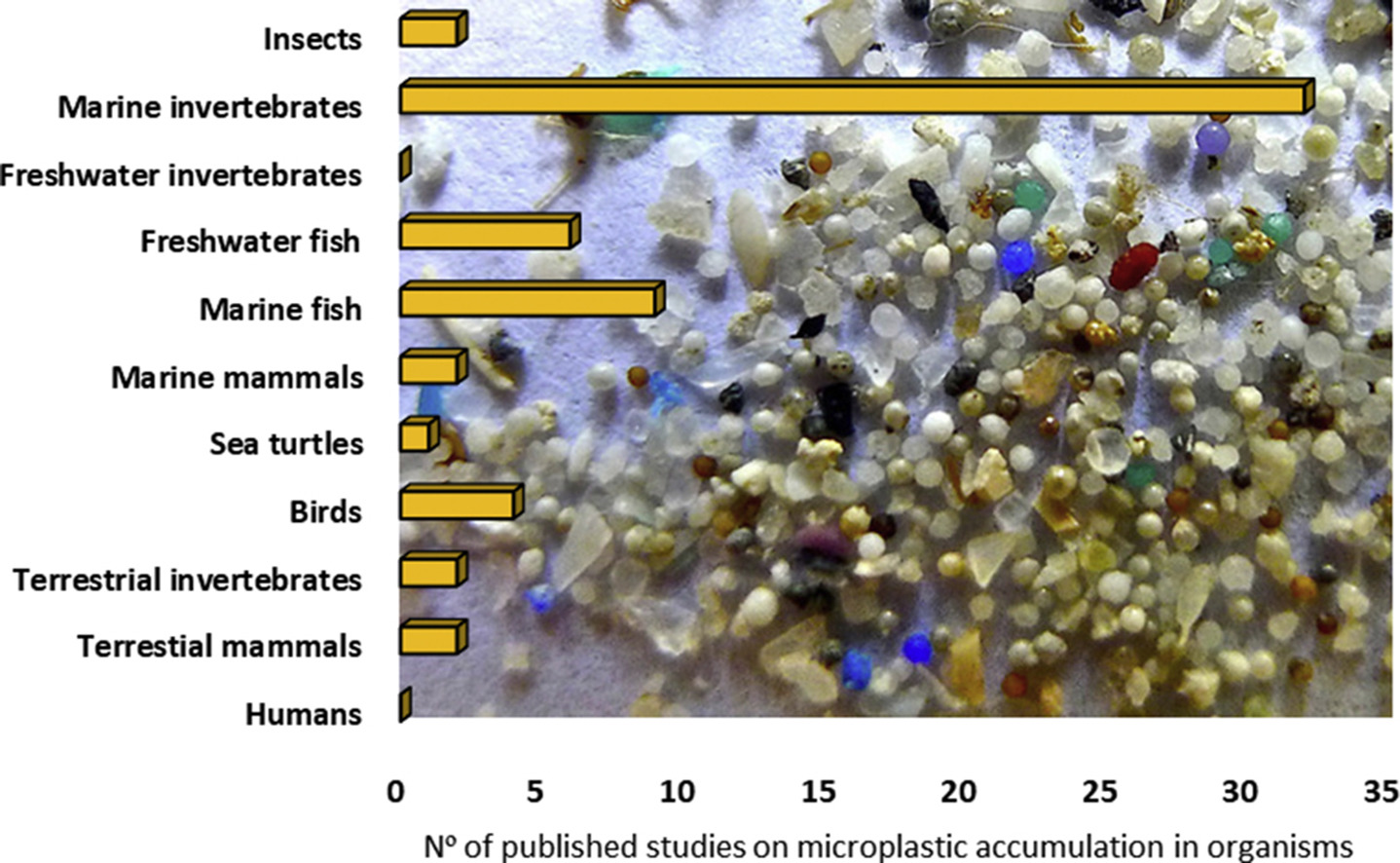
Following a decade of research on the environmental impacts of microplastics, a knowledge gap remains on the processes by which micro and nanoplastics pass across biological barriers, enter cells and are subject to biological mechanisms. Here we summarize available literature on the accumulation of microplastics and their associated contaminants in a variety of organisms including humans. Most data on the accumulation of microplastics in both field and lab studies are for marine invertebrates.
Elsevier, TrAC - Trends in Analytical Chemistry, Volume 111, February 2019
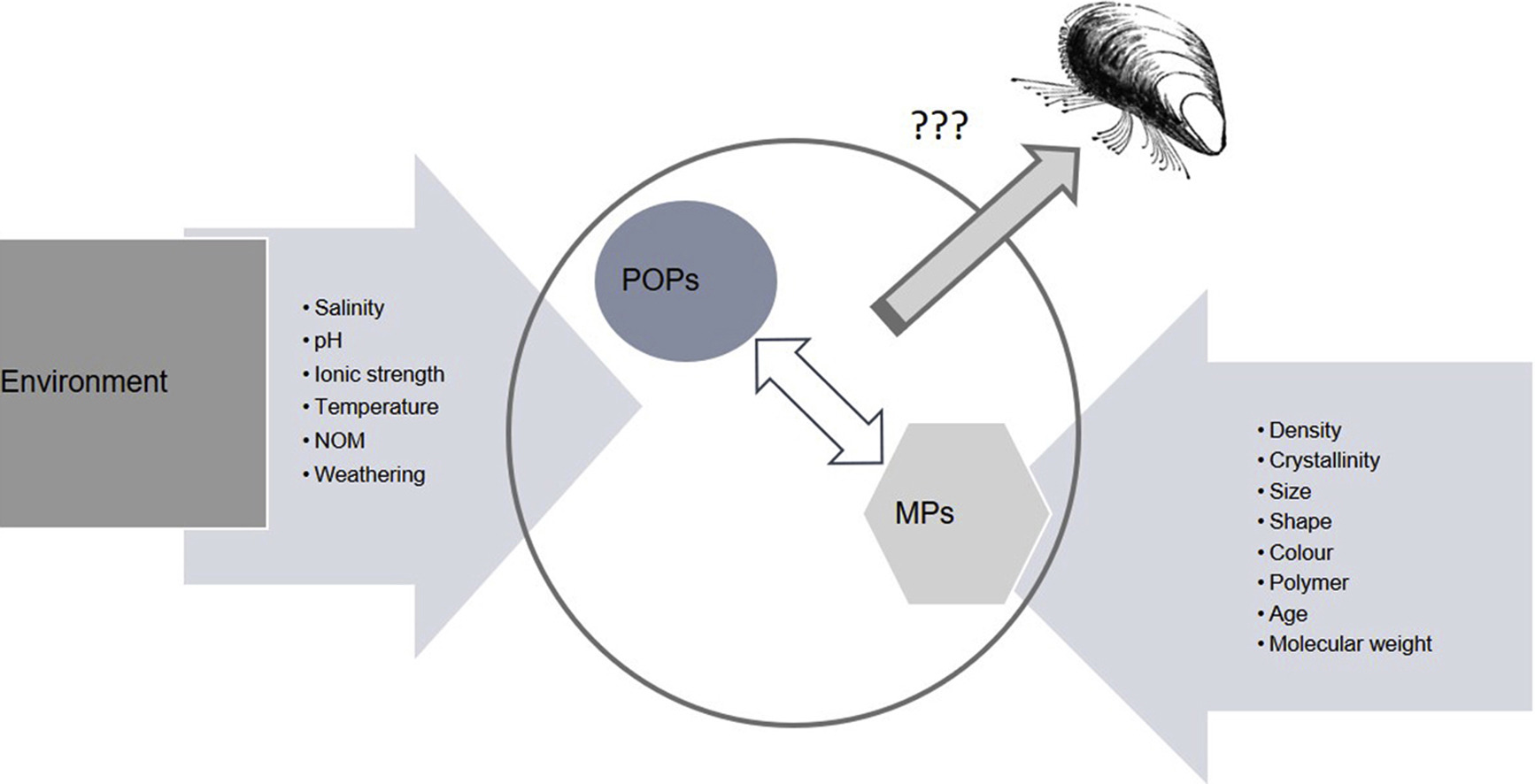
The presence of plastic debris in the ocean is increasing and several effects in the marine environment have been reported. A great number of studies have demonstrated that microplastics (MPs) adsorb organic compounds concentrating them several orders of magnitude than the levels found in their surrounding environment, therefore they could be potential vectors of these contaminants to biota. However, a consensus on MPs as vectors of persistent organic pollutants (POPs) has not been reached since are opposing views among different researchers on this topic.
Elsevier, TrAC - Trends in Analytical Chemistry, Volume 111, February 2019
Characterising microplastics based on spectroscopic measurements is one key step of many studies that analyse the fate of microplastics in the environment. Over the years, many potential sources of error were identified, which can be seen by the implementation of anti-contamination protocols, measuring laboratory blanks or using less aggressive chemicals for sample purification. However, the identification process itself in the meaning of a traceable and transparent documentation is hard to find in many research studies.

Elsevier, TrAC - Trends in Analytical Chemistry, Volume 112, March 2019
High amounts of macro and microplastic have been reported in rivers, lakes and seas. However, links between the observed pollution and their sources remain unclear. This study aims to clarify these links in the Lake Geneva basin by analysing each step of the local plastic life cycle. Two distinct approaches have been compared: (i) a top-down approach based on modelling socio-economic activities, plastic losses and releases into the lake, and, (ii) a bottom-up approach based on extrapolating plastic flows into the lake based on field measurements from 6 different pathways.
Elsevier, TrAC - Trends in Analytical Chemistry, Volume 111, February 2019
Microplastics (MP) (5 mm) are crucial pollution which are widely distributes in the environment. Recently, the studies of MP have increased rapidly due to increasing awareness of the potential and growing risks of biological effects during storage and disposal. However, due to limitations in analytical methods and the methods of environmental risk assessment, the distribution and biological effects of MP are still debatable issues.
Elsevier, TrAC - Trends in Analytical Chemistry, Volume 111, February 2019
Interest about interactions between microplastics and organisms is on the rise. Accessing organisms’ responses to these chemically “inert” compounds plays an important role in determining their potential toxicity. Microplastics from the environment tend to accumulate and move through living organisms, inducing a variety of biological effects, such as disturbances in energy metabolism, oxidative balance, antioxidative capacity, DNA, immunological, neurological and histological damage.