The elevated air temperature of a city, urban heat island (UHI), increases the heat and pollution-related mortality, reduces the habitats' comfort and elevates the mean and peak energy demand of buildings. To countermeasure this unwanted phenomenon, a series of strategies and policies have been proposed and adapted to the cities. Various types of models are developed to evaluate the effectiveness of such strategies in addition to predict the UHI. This paper explains the compatibility of each type of model suitable for various objectives and scales of UHI studies.
Your search request returned 8453 results.
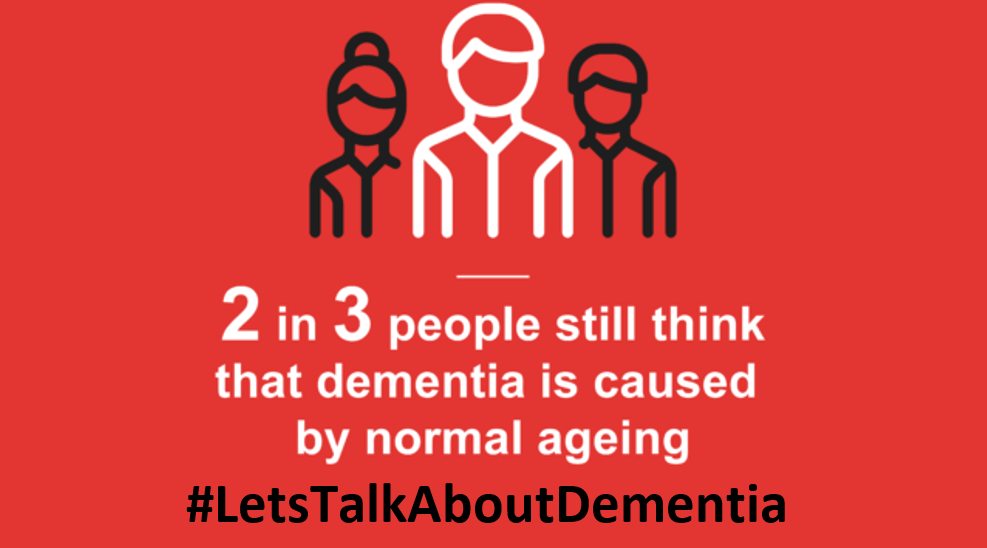
Elsevier, 18th September 2020
World Alzheimer's Day is an international campaign organised by Alzheimer's Disease International to raise awareness and highlight issues faced by people affected by dementia. It takes place every year on September 21st and is the focus of World Alzheimer's Month. In support of this year’s theme – ‘Let’s talk about dementia’ - Elsevier presents a curated, open access collection of 25 journal articles and book chapters focused on challenging the fear and stigma associated with dementia.

Elsevier, 25th September 2020
World Mental Health Day, a programme of the World Federation for Mental Health, has been observed on October 10th since 1992. Quality, accessible primary health care is the foundation for universal health coverage and is urgently required as the world grapples with the current health emergency. To mark World Mental Health Day 2020, Elsevier presents a curated, open access collection of 25 journal articles and book chapters focused on making mental health a reality for everyone, everywhere.
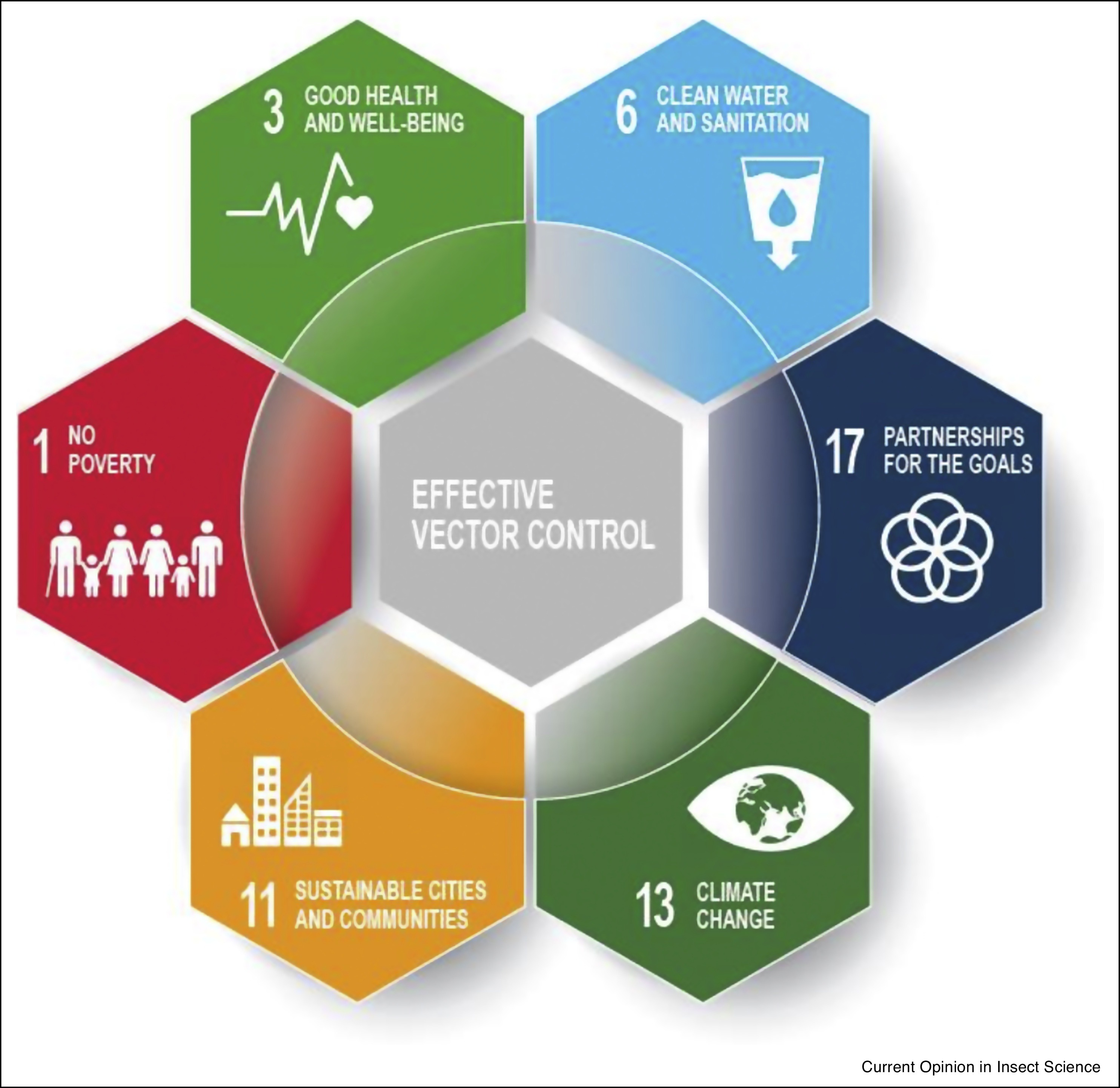
Elsevier, Current Opinion in Insect Science, Volume 40, August 2020
Viral diseases transmitted by mosquitoes, known as arboviruses, pose a significant threat to human life and are a major burden on many health systems around the world. Currently, arbovirus control strategies rely on insecticides or vector source reduction and, in the absence of effective, accessible and affordable vaccines, mainly on symptomatic based, non-specific treatments. However, insecticides have the potential to interfere with non-target organisms, cause environmental toxicity and insecticide resistance reduces their effectiveness as a sustainable control method.

Elsevier, Current Opinion in Insect Science, Volume 40, August 2020
Materials, structures, surfaces and buildings of insects are of a great scientific interest, but such basic knowledge about the functional principles of these structures is also highly relevant for technical applications, especially in architecture. Some of the greatest challenges for today's architecture are multifunctionality, energy saving and sustainability — problems that insects have partially solved during their evolution. Entomologists have collected a huge amount of information about the structure and function of such living constructions and surfaces.
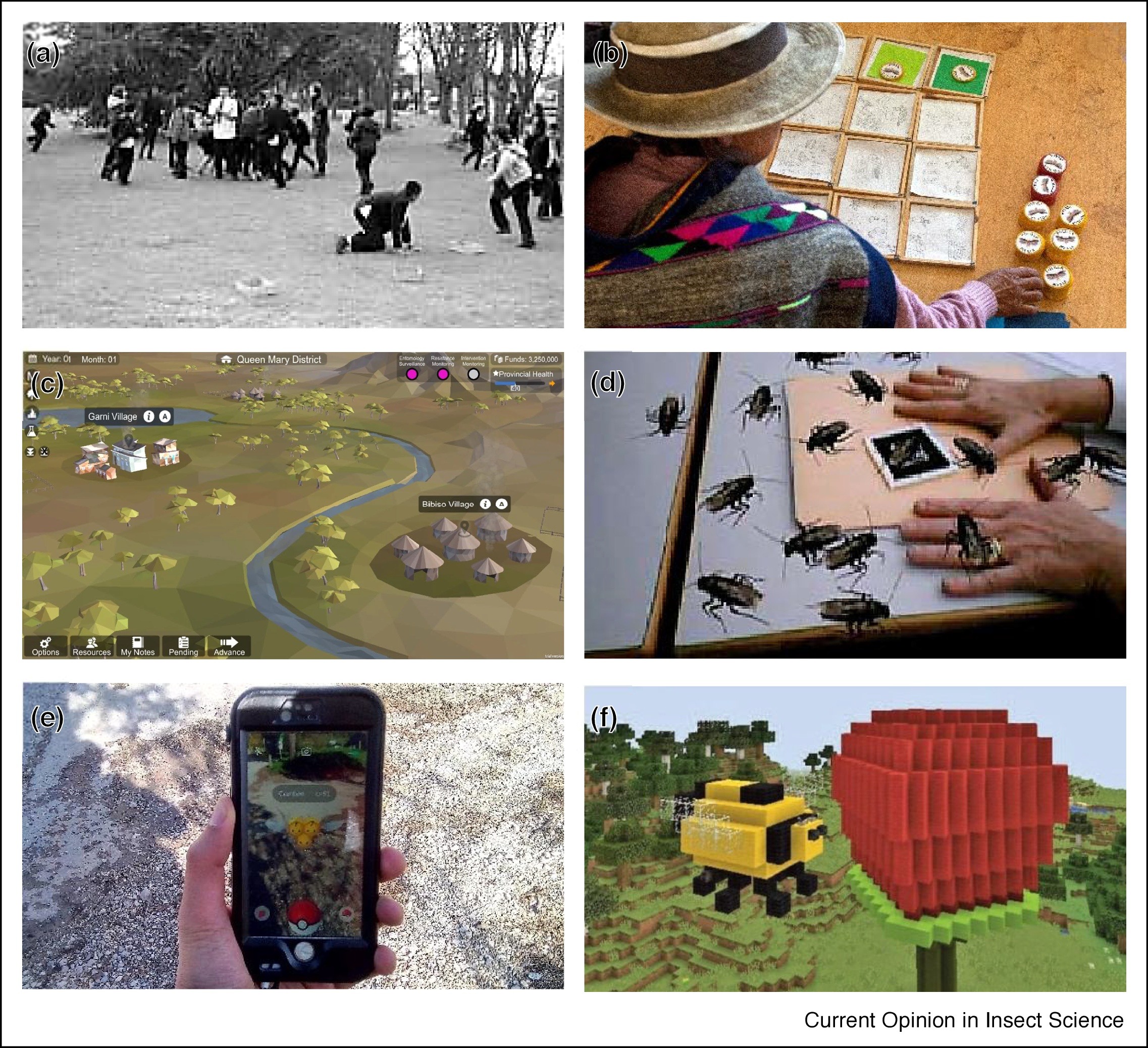
Elsevier, Current Opinion in Insect Science, Volume 40, August 2020
Insects have a significant role towards achieving sustainable development, but the decline of insect knowledge outreach efforts is dampening their impact. Revisiting the perspective and approach to entomological literacy is required to respond to the evolving human needs for sustainable living in light of the decline of insect biomass and biodiversity, and entomology. This is also an opportunity to reflect on the interests about insects in the age of video games.
Elsevier, Sustainable Materials and Technologies, Volume 26, December 2020
Buildings consume vast amounts of energy and pollute the environment in various ways. Façade is a part of building's architecture that can play a significant role in reducing energy consumption, as well as alleviating its negative environmental effects. Although using smart materials in buildings' facades can help dramatically to attain the mentioned goals, very limited studies have been conducted regarding the mentioned issues. Moreover, existing studies have investigated only a few number of smart materials simultaneously.
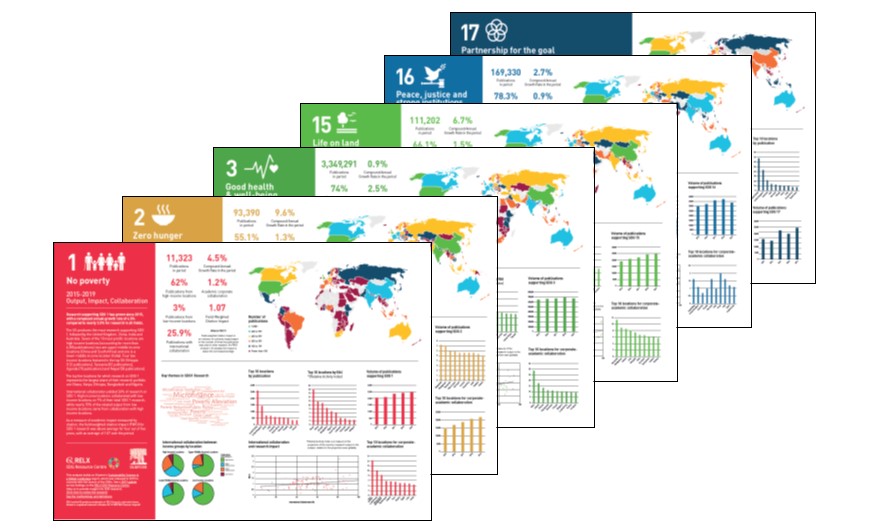
RELX, September 2020
Over the past five years, we have used data and analytics to help the research and healthcare communities navigate the sea of research and to put collaboration, both interdisciplinary and international, at the heart of scientific progress on the SDGs.
For the first time, we have published graphics covering all SDGs using data and insights from Scopus and SciVal. These graphics show key metrics for research output, collaboration and impact.