Women and girls are the most socially and economically vulnerable to the COVID-19 pandemic, but the majority of countries worldwide are not taking the steps to protect them, according to a new report.
UN Women and the United Nations Development Programme (UNDP) released data on Monday that found only 1 in 8 countries have measures in place to shield women and girls from these effects. This article links to SDGs 3 and 5.
Your search request returned 8453 results.

Elsevier, 2nd October 2020
Each year, the Food and Agriculture Organization of the United Nations (FAO) celebrates World Food Day on October 16th to commemorate is founding in 1945. World Food Day 2020 is calling for global solidarity to help all populations to recover from the crisis, and to make food systems more resilient and robust so they can withstand increasing volatility and climate shocks, deliver affordable and sustainable healthy diets for all, and decent livelihoods for food system workers. In support of this years theme - 'Grow, Nourish, Sustain. Together' - Elsevier presents a curated, open access collection of 40 journal articles and book chapters focussed on increasing food security and sustainability.
Elsevier, Scientific African, Volume 7, March 2020
Persons with disabilities form a significant proportion of the global population, majority of which are women. The United Nations Convention guarantees persons with disabilities equal rights to reproduction and healthcare access. Similarly, the Sustainable Development Goal 3 targets improvement of the health and well-being of individuals including persons with disabilities. However, women with disabilities have not been given close attention, particularly in developing countries.
Elsevier, Transport Policy, Volume 95, September 2020
The governance and provision of accessible transport services for students with disabilities is complex and involves numerous stakeholders, from families and schools, to transport operators and various levels of government. Experiences of traveling to school via bus can also be remarkably difficult for children with disabilities and their families. Despite the complexity and challenges associated with accessible student transport, little has been written about this topic. This scoping review begins to address this knowledge gap.
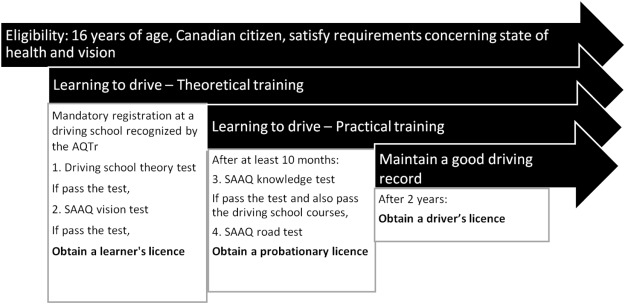
Elsevier, Transportation Research Interdisciplinary Perspectives, Volume 4, March 2020
Introduction: Driving is an important activity for the social participation of young people with physical and cognitive disabilities. Learning to drive, however, presents difficulties for this population. Innovative services have been developed in the province of Québec, Canada, but the extent to which they are evidence-based is not known nor are optimal parameters for learning to drive.

The SDG Impact of COVID-19 podcast series gathers expert opinion exploring the impact of COVID-19 on the Sustainable Development Goals. In advance of World Food Day on October 16th, we get the view of Dr Debasis Bagchi, Director of Scientific Affairs at Victory Nutrition International.
Contributing to SDG 3, this clinical investigation assessed the efficacy of novel patent-pending VMP35 multi-nutrient complex, a non-iron containing liquid nutraceutical supplement, in 38 male and female volunteers (age: 22-82) on anemia and blood properties.
Elsevier, Development Engineering, Volume 3, 1 January 2018
A human-centered design thinking approach has been applied to a course at the MIT D-Lab on creating low-cost prosthetic and assistive devices for the developing world. Teams of students with diverse backgrounds are paired with international stakeholders and industry partners to tackle real-world prosthetic technology needs, learn the design process through interactive lectures and workshops in the classroom, and are given the opportunity to conduct testing of the prototypes generated during the semester at field sites around the globe.
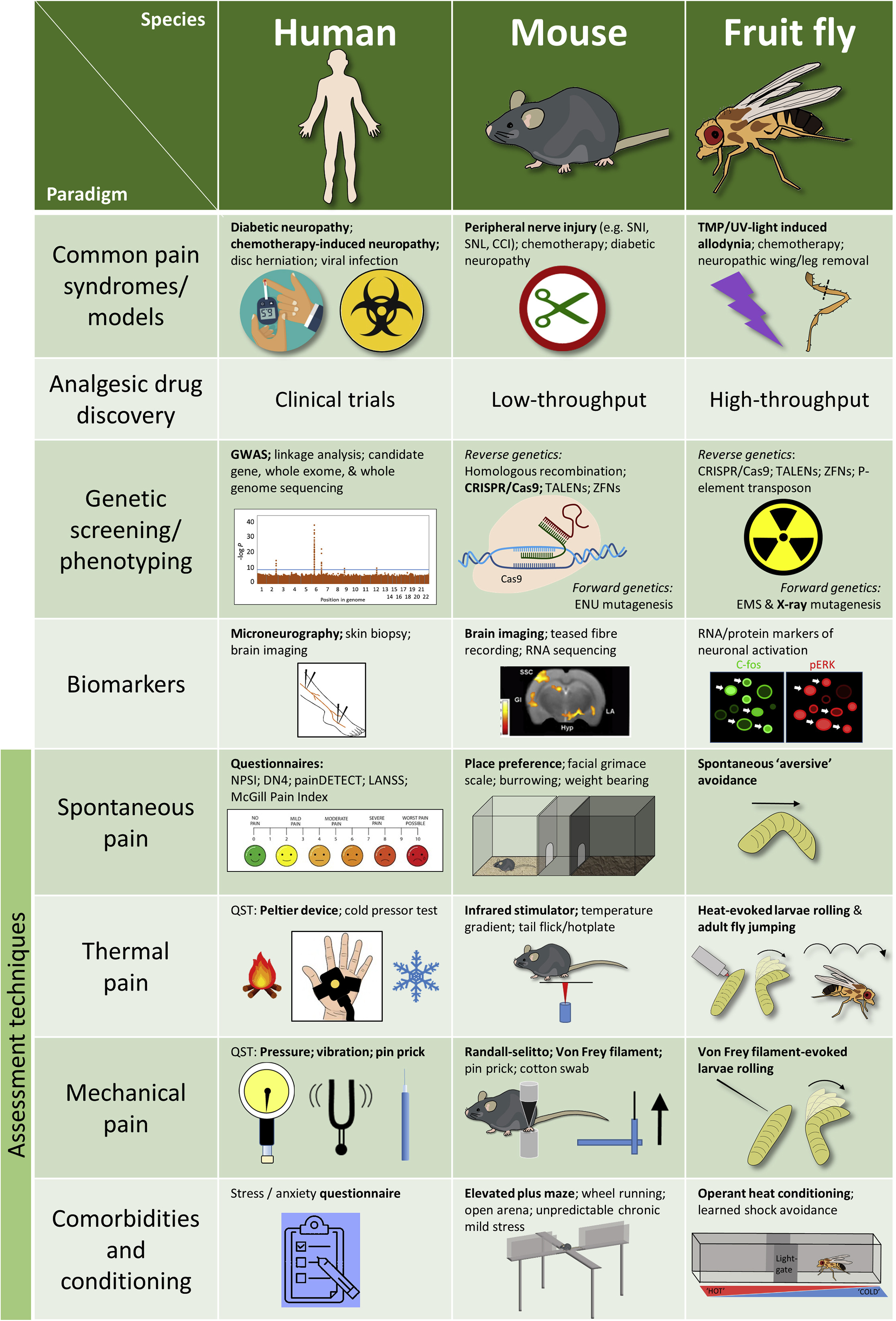
Elsevier, Neuron, Volume 104, 20 November 2019
Neuropathic pain (NeuP) arises due to injury of the somatosensory nervous system and is both common and disabling, rendering an urgent need for non-addictive, effective new therapies. Given the high evolutionary conservation of pain, investigative approaches from Drosophila mutagenesis to human Mendelian genetics have aided our understanding of the maladaptive plasticity underlying NeuP. Successes include the identification of ion channel variants causing hyper-excitability and the importance of neuro-immune signaling.
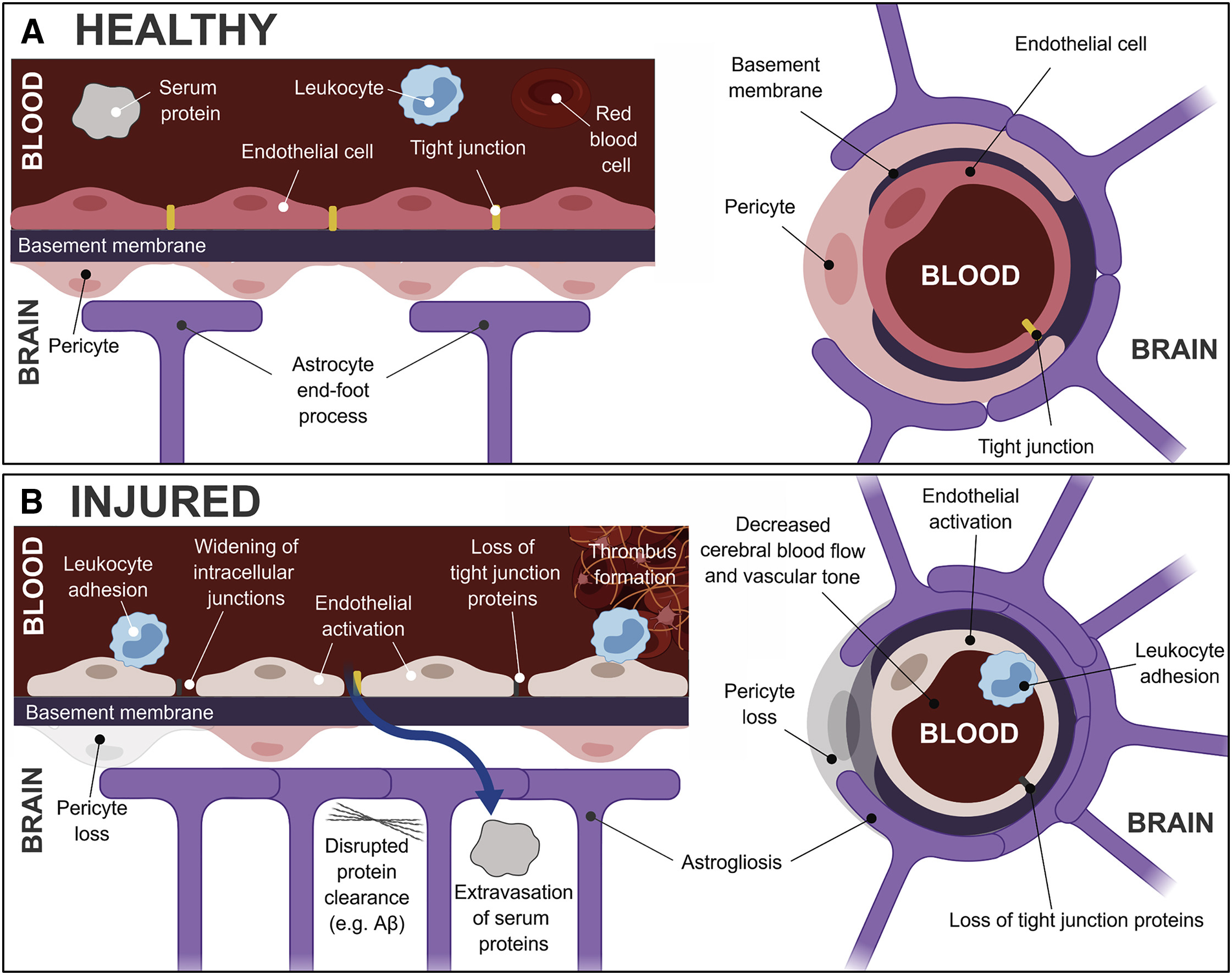
Elsevier, Neuron, Volume 103, 7 August 2019
Traumatic brain injury (TBI) is one the most common human afflictions, contributing to long-term disability in survivors. Emerging data indicate that functional improvement or deterioration can occur years after TBI. In this regard, TBI is recognized as risk factor for late-life neurodegenerative disorders. TBI encompasses a heterogeneous disease process in which diverse injury subtypes and multiple molecular mechanisms overlap.