Healthy psychological and brain development is not a privilege, but a fundamental right that requires special protections and opportunities for building cognitive, emotional, and social skills necessary for becoming a contributing member of our society. Healthy psychological and brain development is not a privilege, but a fundamental right that requires special protections and opportunities for building cognitive, emotional, and social skills necessary for becoming a contributing member of our society.
Your search request returned 8453 results.
Elsevier, Neuron, Volume 102, 17 April 2019
RNA binding proteins are critical to the maintenance of the transcriptome via controlled regulation of RNA processing and transport. Alterations of these proteins impact multiple steps of the RNA life cycle resulting in various molecular phenotypes such as aberrant RNA splicing, transport, and stability. Disruption of RNA binding proteins and widespread RNA processing defects are increasingly recognized as critical determinants of neurological diseases.
Elsevier, Neuron, Volume 102, 3 April 2019
Perinatal depression (PND) is a heterogeneous disorder with differences in timing of onset of depression, which influences symptomology, severity, and treatment efficacy. Researchers must embrace the heterogeneity to bring fruition to a precision medicine approach for women in reproductive mental health care. Galea and Frokjaer discuss the heterogeneity of perinatal depression based on timing onset, which influences symptoms and has implications for etiology and treatment efficacy.

Elsevier, Materials Today Bio, Volume 7, June 2020
Repair of injured skeletal muscle is a sophisticated process that uses immune, muscle, perivascular, and neural cells. In acute injury, the robust endogenous repair process can facilitate complete regeneration with little to no functional deficit. However, in severe injury, the damage is beyond the capacity for self-repair, often resulting in structural and functional deficits. Aside from the insufficiencies in muscle function, the aesthetic deficits can impact quality of life.
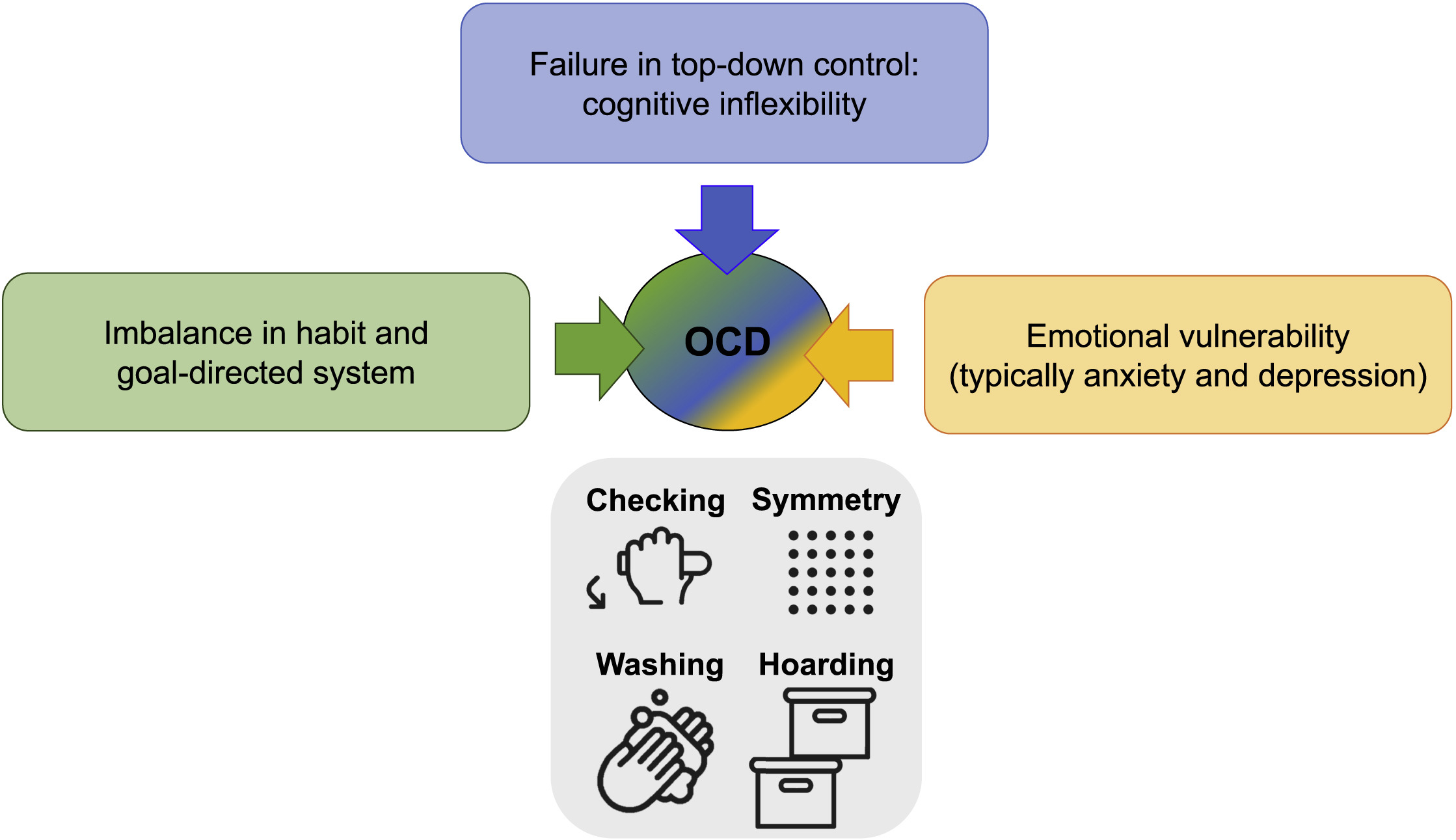
Elsevier, Neuron, Volume 102, 3 April 2019
Obsessive-compulsive disorder is a severe and disabling psychiatric disorder that presents several challenges for neuroscience. Recent advances in its genetic and developmental causation, as well as its neuropsychological basis, are reviewed. Hypotheses concerning an imbalance between goal-directed and habitual behavior together with neural correlates in cortico-striatal circuitry are evaluated and contrasted with metacognitive theories.
Elsevier, Neuron, Volume 102, 3 April 2019
Here, Nestler and Lüscher link addiction circuits to epigenetic mechanisms that are engaged by drug exposure or reflect life experience. These molecular alterations may not only explain the basis of drug-evoked synaptic plasticity, but may also help understand individual addiction vulnerability.
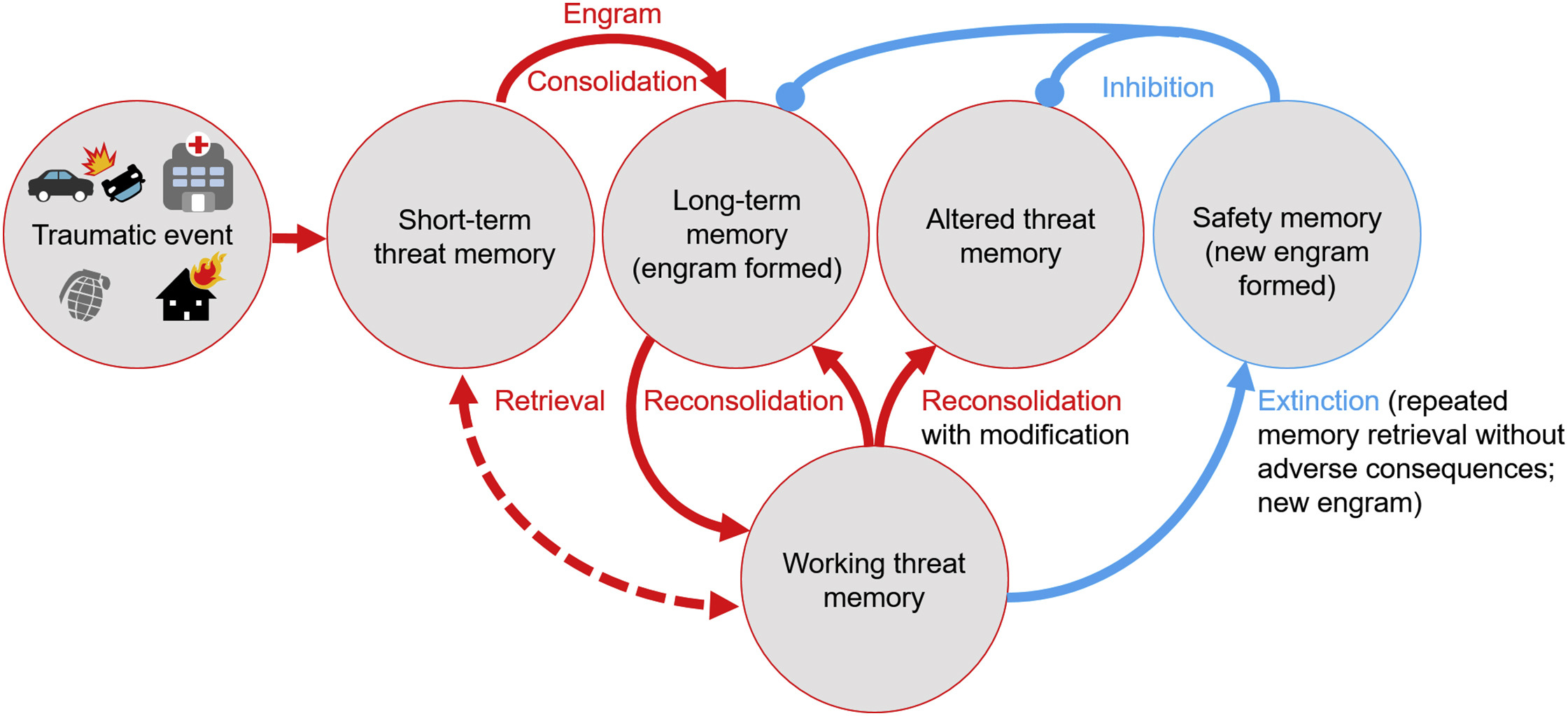
Elsevier, Neuron, Volume 102, 3 April 2019
Threat processing is central to understanding debilitating fear- and trauma-related disorders such as posttraumatic stress disorder (PTSD). Progress has been made in understanding the neural circuits underlying the “engram” of threat or fear memory formation that complements a decades-old appreciation of the neurobiology of fear and threat involving hub structures such as the amygdala.

Elsevier, Neuron, Volume 102, 3 April 2019
There have been several recent studies addressing the genetic architecture of depression. This review serves to take stock of what is known now about the genetics of depression, how it has increased our knowledge and understanding of its mechanisms, and how the information and knowledge can be leveraged to improve the care of people affected.
Elsevier, Neuron, Volume 101, 20 March 2019
Altered synaptic structure and function is a major hallmark of fragile X syndrome (FXS), autism spectrum disorders (ASDs), and other intellectual disabilities (IDs), which are therefore classified as synaptopathies. FXS and ASDs, while clinically and genetically distinct, share significant comorbidity, suggesting that there may be a common molecular and/or cellular basis, presumably at the synapse.
Elsevier, Neuron, Volume 101, 2 January 2019
The NeuroDev study will deeply phenotype cognition, behavior, dysmorphias, and neuromedical traits on an expected cohort of 5,600 Africans (1,800 child cases, 1,800 child controls, and 1,900 parents) and will collect whole blood for exome sequencing and biobanking.