The Year of the Zebra

Special collection

Screenshot from the introduction video for The Year of the Zebra

What is this initiative?

2023 is the 40th anniversary of the Orphan Drug Act which gave hope to the hundreds of millions of people around the world who are directly affected by rare disorders (also known as “zebras,” because they are less common than horses). Elsevier Health is launching an ambitious initiative called “The Year of the Zebra” to educate millions of current and future healthcare professionals, caregivers, researchers, patients, family members, and the general public about these zebras. We are inviting an exclusive group of organizations and individuals to “adopt” one or more zebras by contributing to the development and distribution of highly engaging and impactful educational content about those rare disorders that will collectively reach millions of people around the world.
[]

Table of contents

This article relates to SDG 3. This resource, created together by Osmosis and the National Organization for Rare Diseases (NORD), aims to increase the knowledge and awareness about Rare Disease Education: Esophageal Cancer

This article relates to SDG 3. This resource, created together by Osmosis and the National Organization for Rare Diseases (NORD), aims to increase the knowledge and awareness about Rare Disease Education: PHACE Syndrome

This article relates to SDG 3. This resource, created together by Osmosis and the National Organization for Rare Diseases (NORD), aims to increase the knowledge and awareness about Rare Disease Education:Narcolepsy

This article relates to SDG 3. This resource, created together by Osmosis and the National Organization for Rare Diseases (NORD), aims to increase the knowledge and awareness about Rare Disease Education: Nail-Patella Syndrome.

This article relates to SDG 3. This resource, created together by Osmosis and the National Organization for Rare Diseases (NORD), aims to increase the knowledge and awareness about Rare Disease Education: Ehlers-Danlos Syndrome

This article relates to SDG 3. This resource, created together by Osmosis and the National Organization for Rare Diseases (NORD), aims to increase the knowledge and awareness about Epidermolysis Bullosa that can cause life-threatening infections as well as some forms of cancer.

This article relates to SDG 3. This resource, created together by Osmosis and the National Organization for Rare Diseases (NORD), aims to increase the knowledge and awareness about Rare Disease Education: Phenylketonuria

Rare Disease Education: Huntington's Disease

Editor: Kelsey LaFayette, DNP, RN, FNP-C

This article relates to SDG 3. This resource, created together by Osmosis and the National Organization for Rare Diseases (NORD), aims to increase the knowledge and awareness about Anemia of Chronic Disease.

Rare Disease Education: Facioscapulohumeral Muscular Dystrophy

Editor: Kelsey LaFayette, DNP, RN, FNP-C

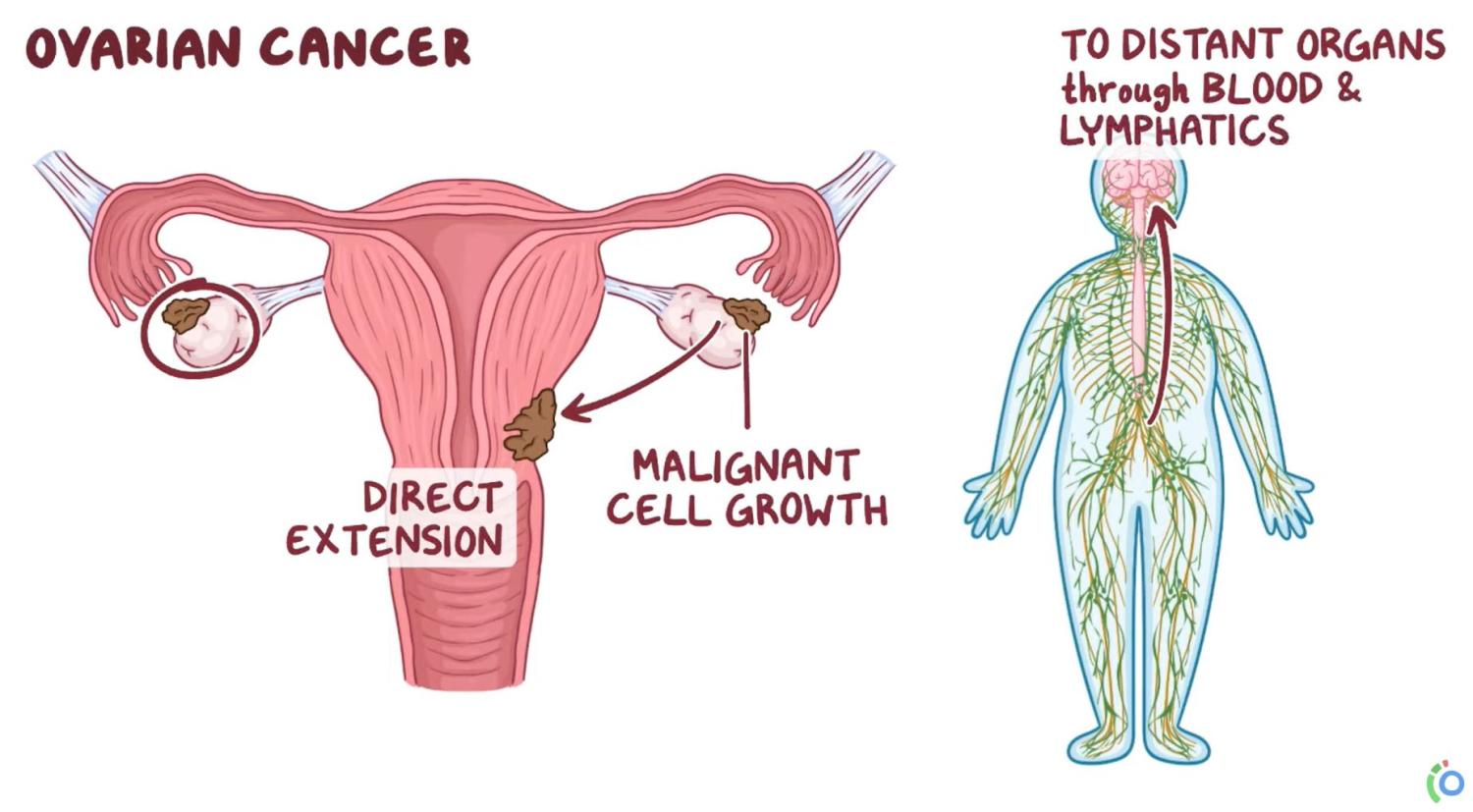
This article relates to SDG 3. This resource, created together by Osmosis and the National Organization for Rare Diseases (NORD), aims to increase the knowledge and awareness about Ovarian Cancer, a difficult to detect cancer in which only 2 in 10 cases are diagnosed at an early stage.
This article relates to SDG 3. This resource, created together by Osmosis and the National Organization for Rare Diseases (NORD), aims to increase the knowledge and awareness about Rare Disease Education: Adrenal Insufficiency

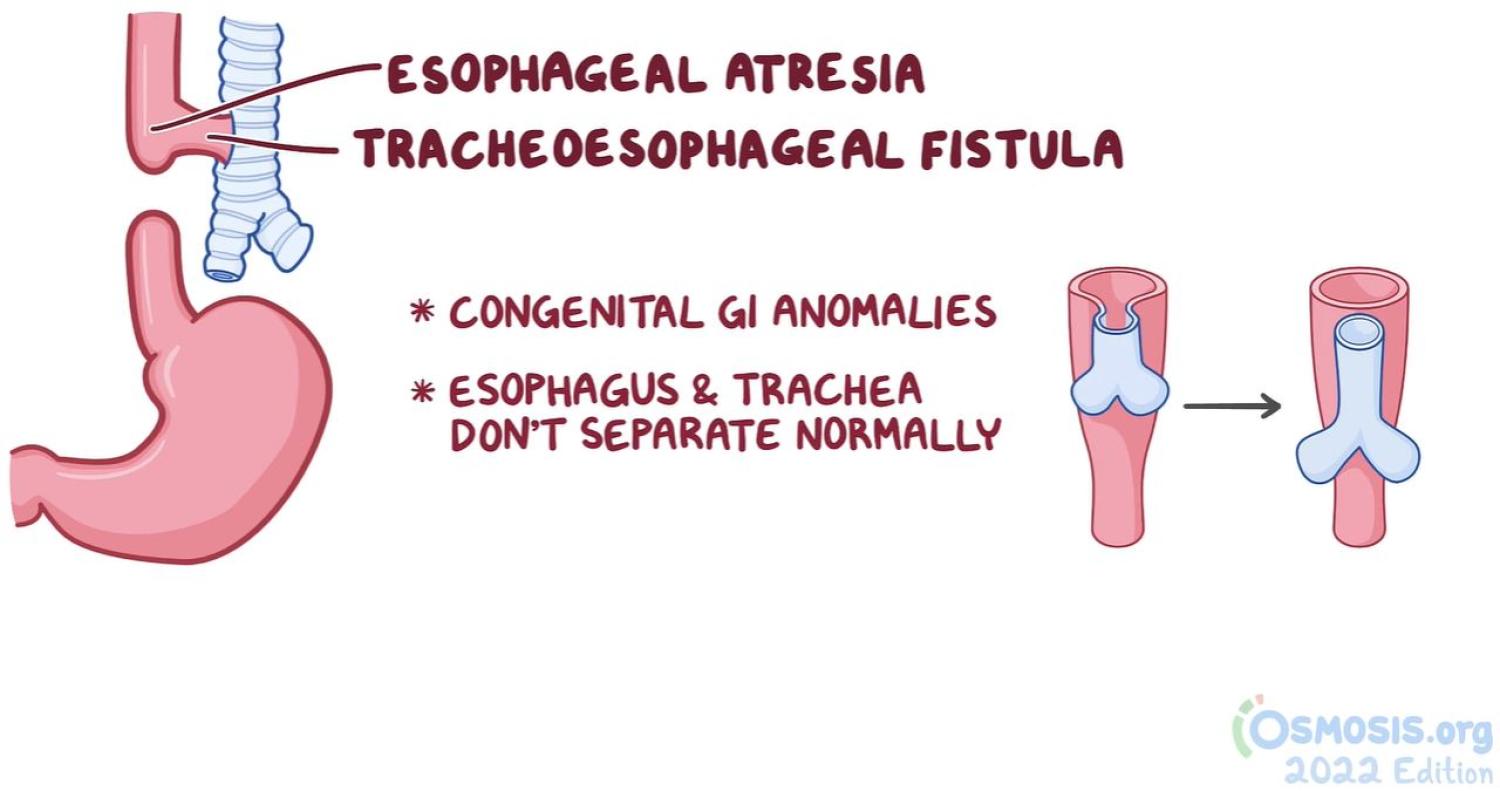
This article ties to SDG 3. This resource, created together by Osmosis and the National Organization for Rare Diseases (NORD), aims to increase the knowledge and awareness about the rare birth defect Esophageal Atresia & Tracheoesophageal Fistula. This disease occurs when the esophagus fails to develop correctly, essentially ending in a blind pouch that is commonly connected to the trachea, creating a tracheoesophageal fistula.
This article relates to SDG 3. This resource, created together by Osmosis and the National Organization for Rare Diseases (NORD), aims to increase the knowledge and awareness about Wernicke-Korsakoff Syndrome,

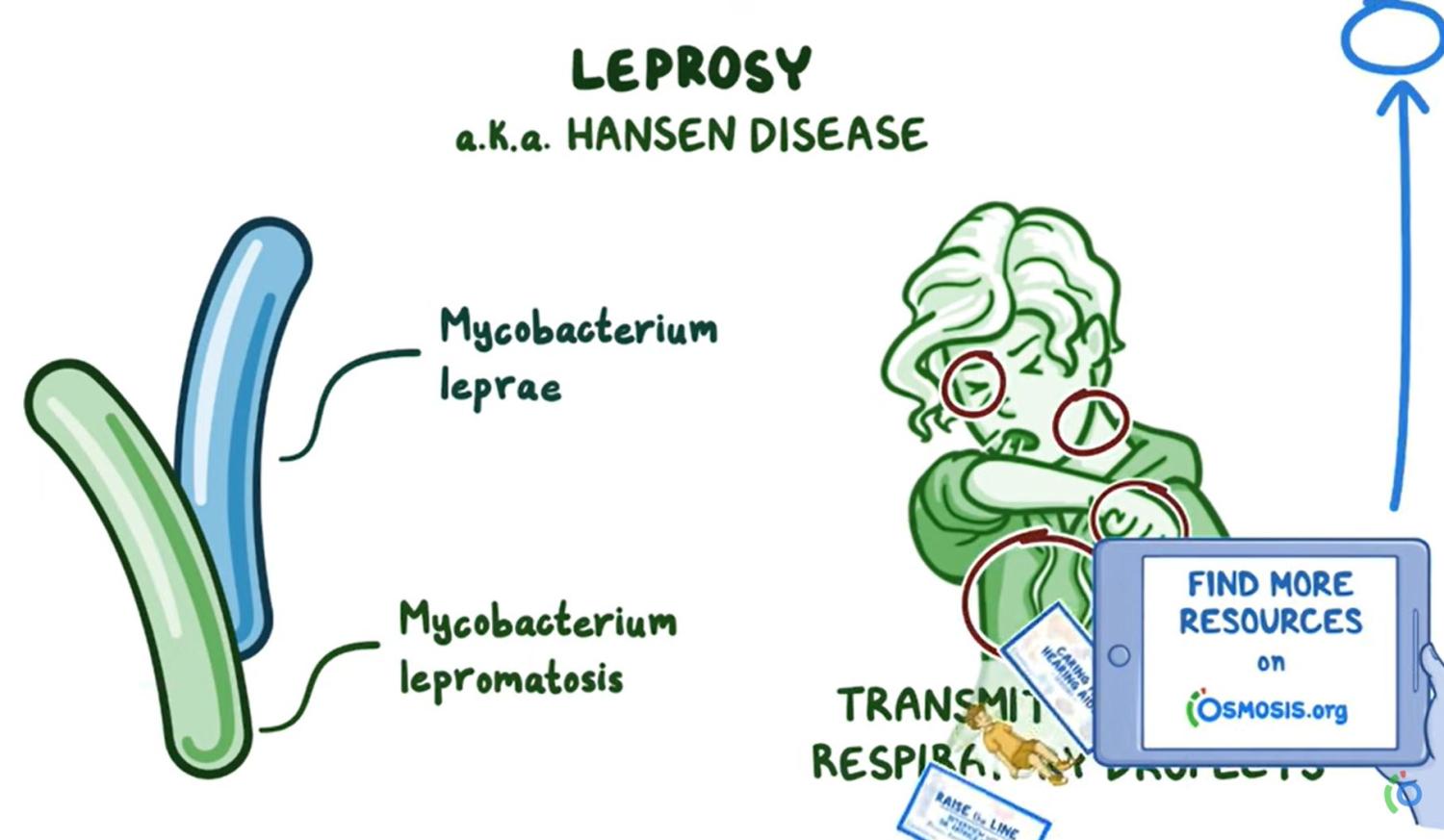
This article relates to SDG 3. This resource, created together by Osmosis and the National Organization for Rare Diseases (NORD), aims to increase the knowledge and awareness about Leprosy, an ancient chronic infection disease that can affect the skin, eyes, and nervous system.

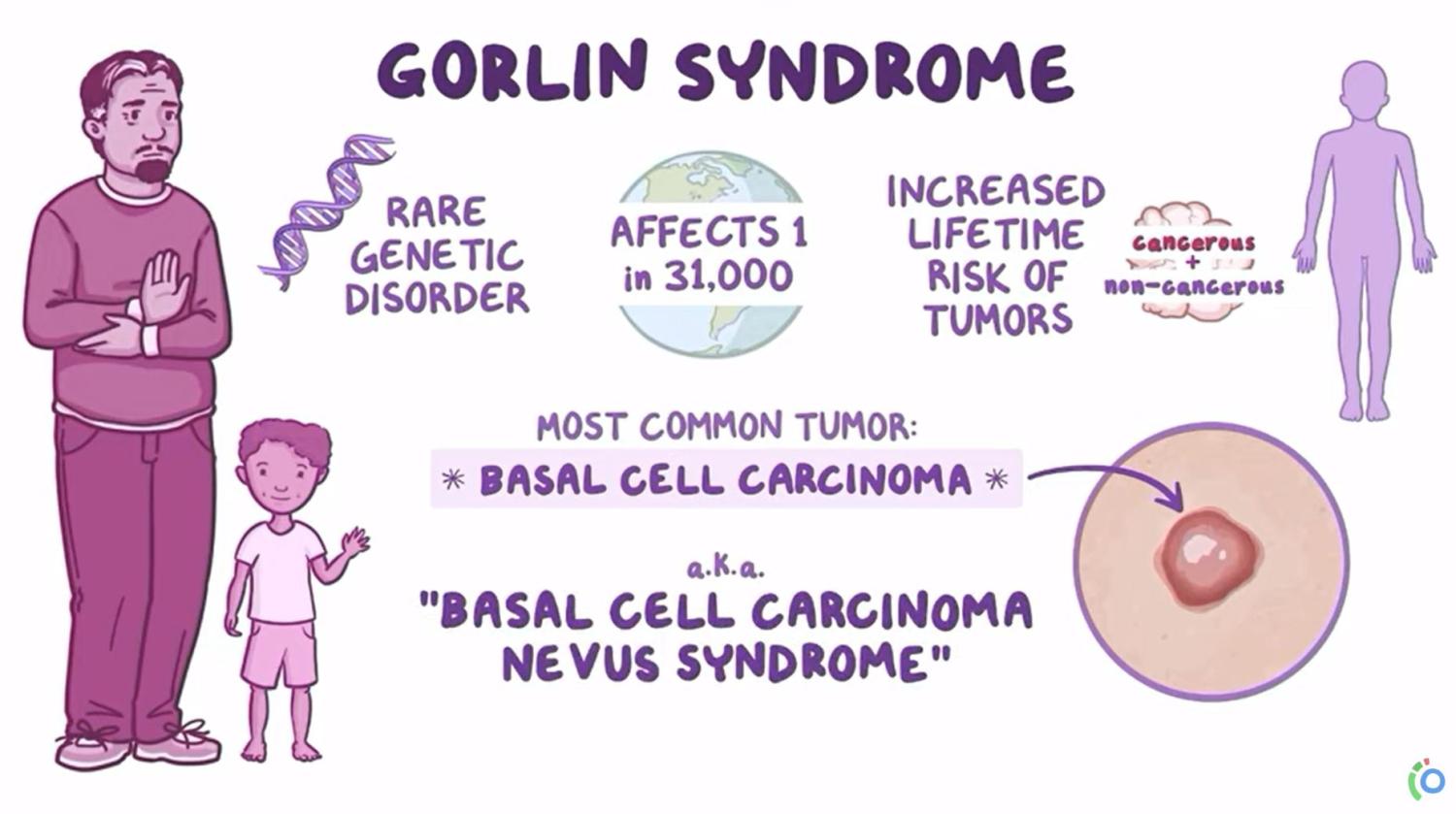
This article relates to SDG 3. This resource, created together by Osmosis and the National Organization for Rare Diseases (NORD), aims to increase the knowledge and awareness about Gorlin Syndrome, a mutation in a tumor suppressor gene is the root cause of proliferation of cancer cells, leading to basal cell carcinomas, abnormal cysts in the jaw, bone deformities, and several other manifestations.
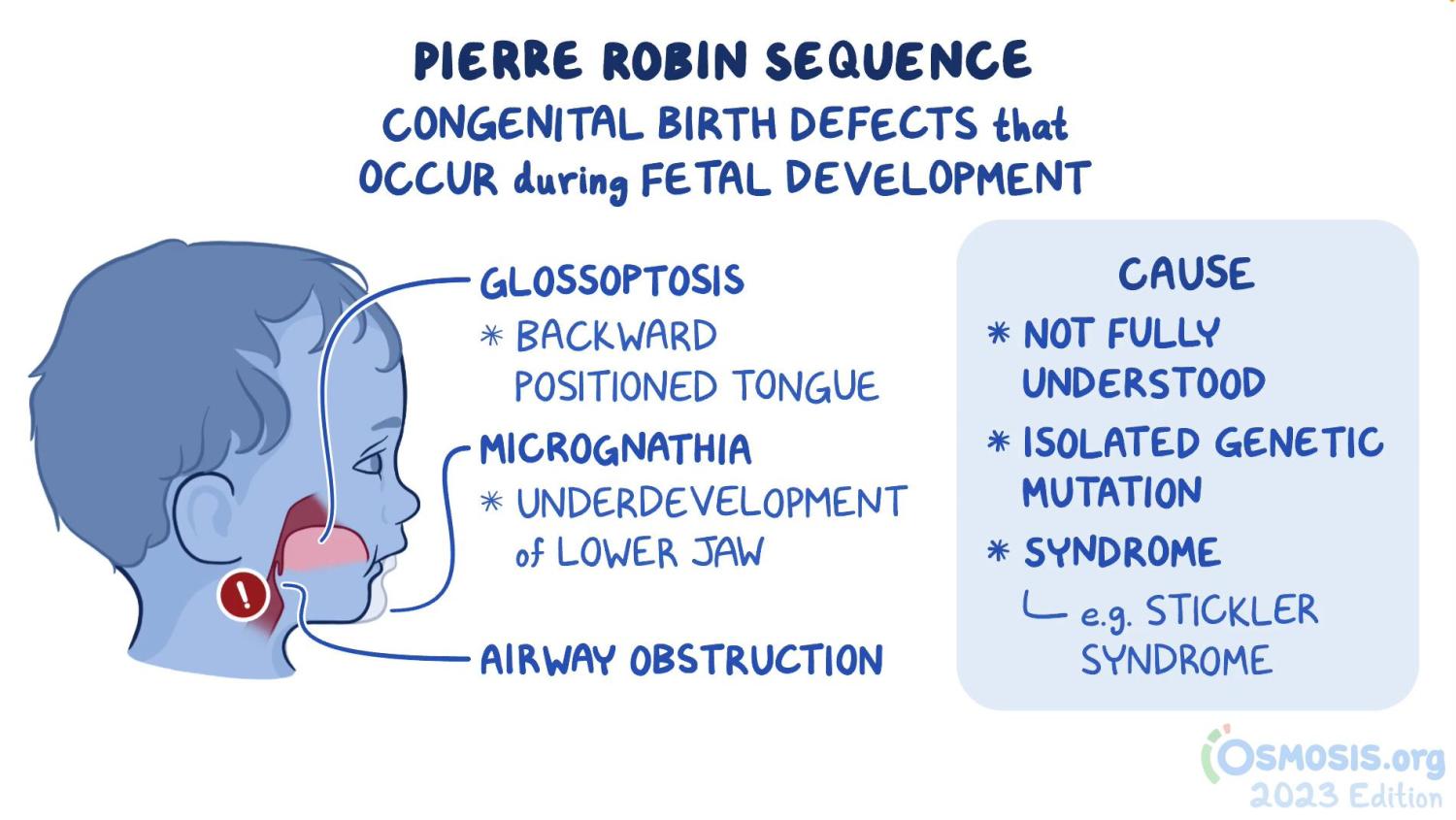
This article relates to SDG 3. This resource, created together by Osmosis and the National Organization for Rare Diseases (NORD), aims to increase the knowledge and awareness about Pierre-Robin Sequence, a rare congenital condition characterized by physical anomalies that result in making the newborn's breathing difficult.
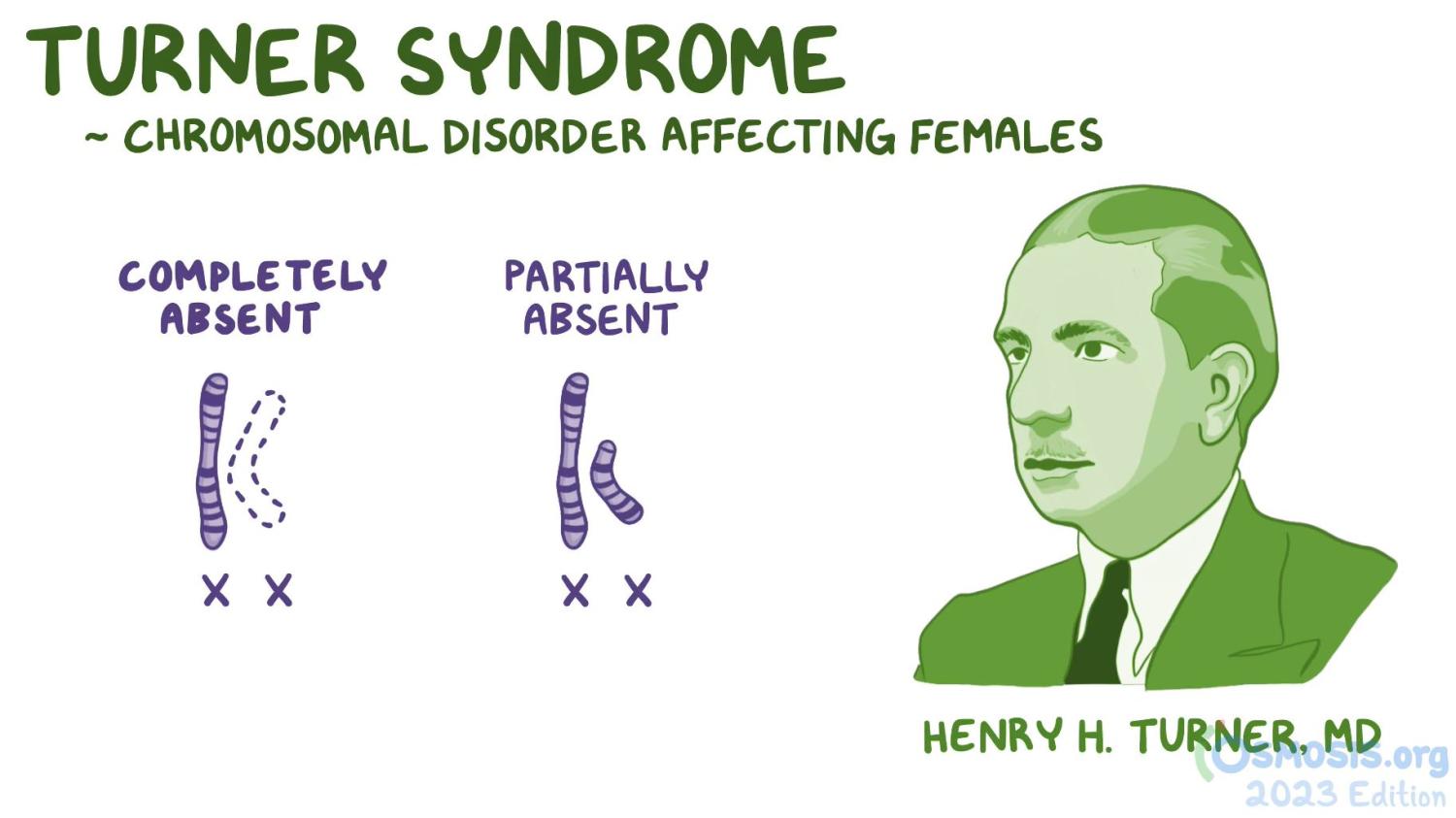
This article relates to SDG 3. This resource, created together by Osmosis and the National Organization for Rare Diseases (NORD), aims to increase the knowledge and awareness about Turner Syndrome, a condition characterized by a partial or complete loss of one of the two X chromosomes in females. The manifestations of this can be quite variable, resulting in infertility and/or distinctive physical features such as a short stature, webbed neck, or a “shield chest”.
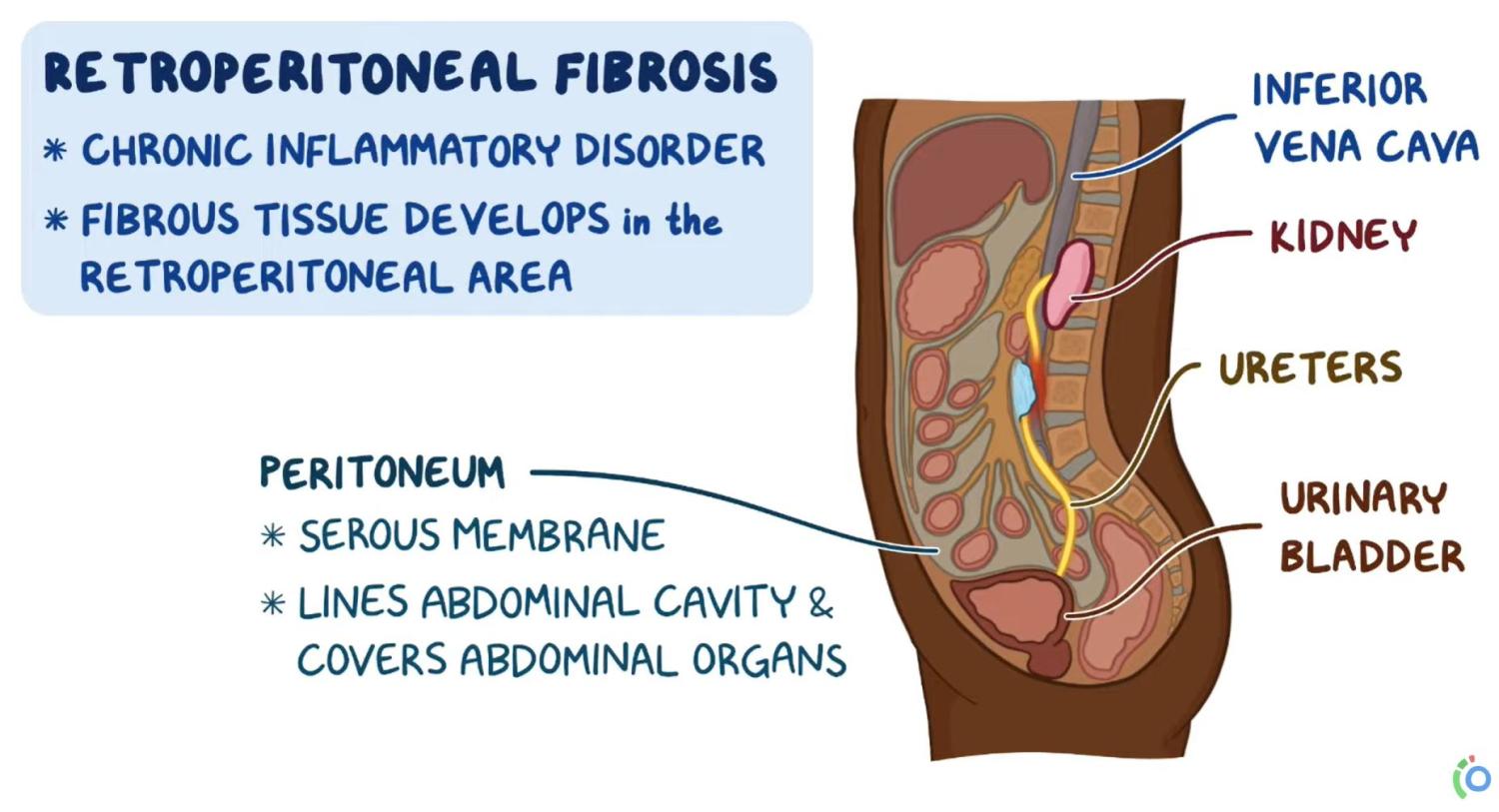
This article relates to SDG 3. This resource, created together by Osmosis and the National Organization for Rare Diseases (NORD), aims to increase the knowledge and awareness about retroperitoneal fibrosis, an inflammatory condition in which fiber-like tissue accumulates behind the peritoneum and causes lower back pain.
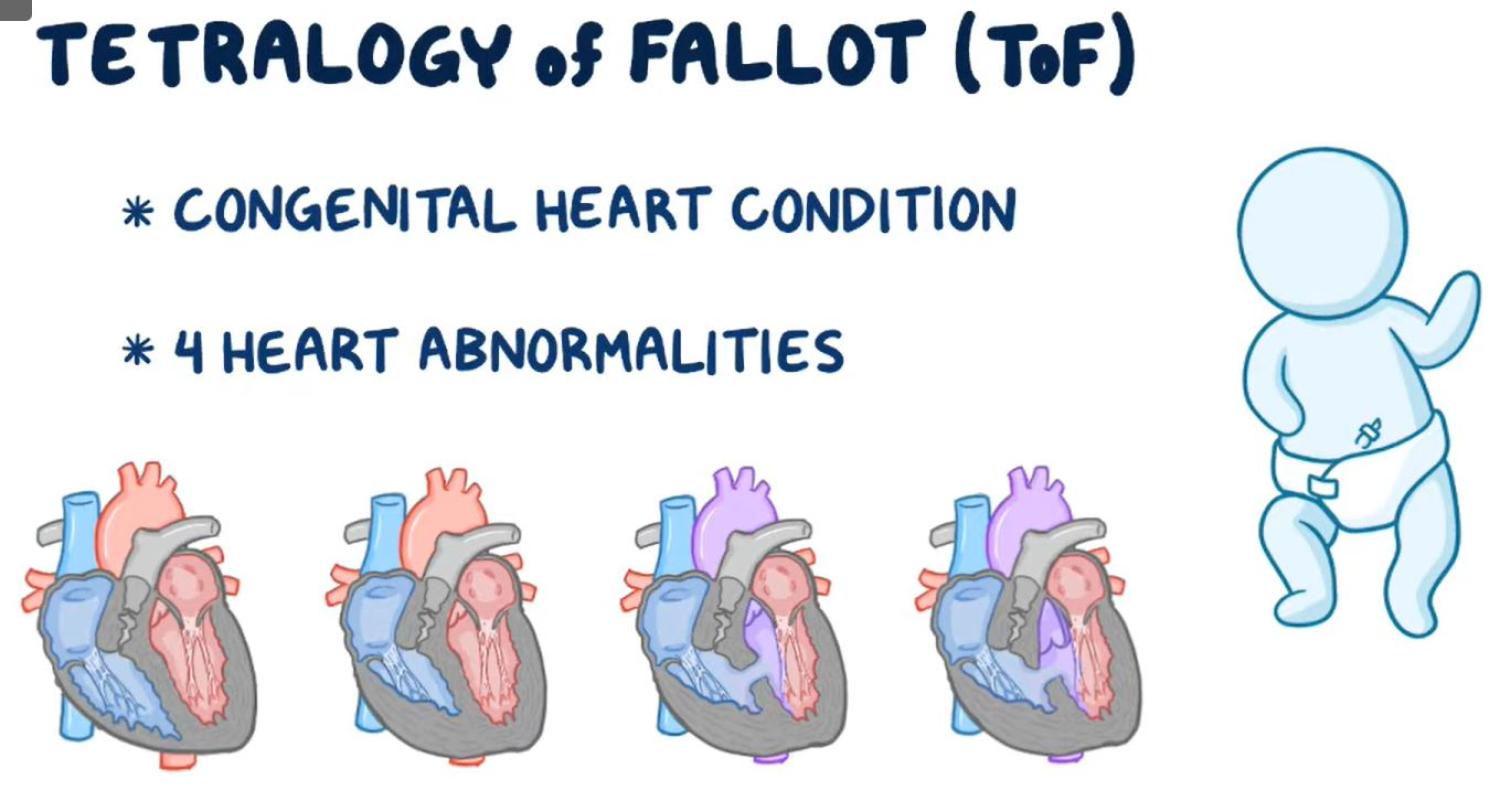
This article related to SDG 3. This resource, created together by Osmosis and the National Organization for Rare Diseases (NORD), aims to increase the knowledge and awareness about Tetralogy of Fallot, the single most common form of congenital heart disease that causes cyanosis (bluish discoloration from lack of oxygen).
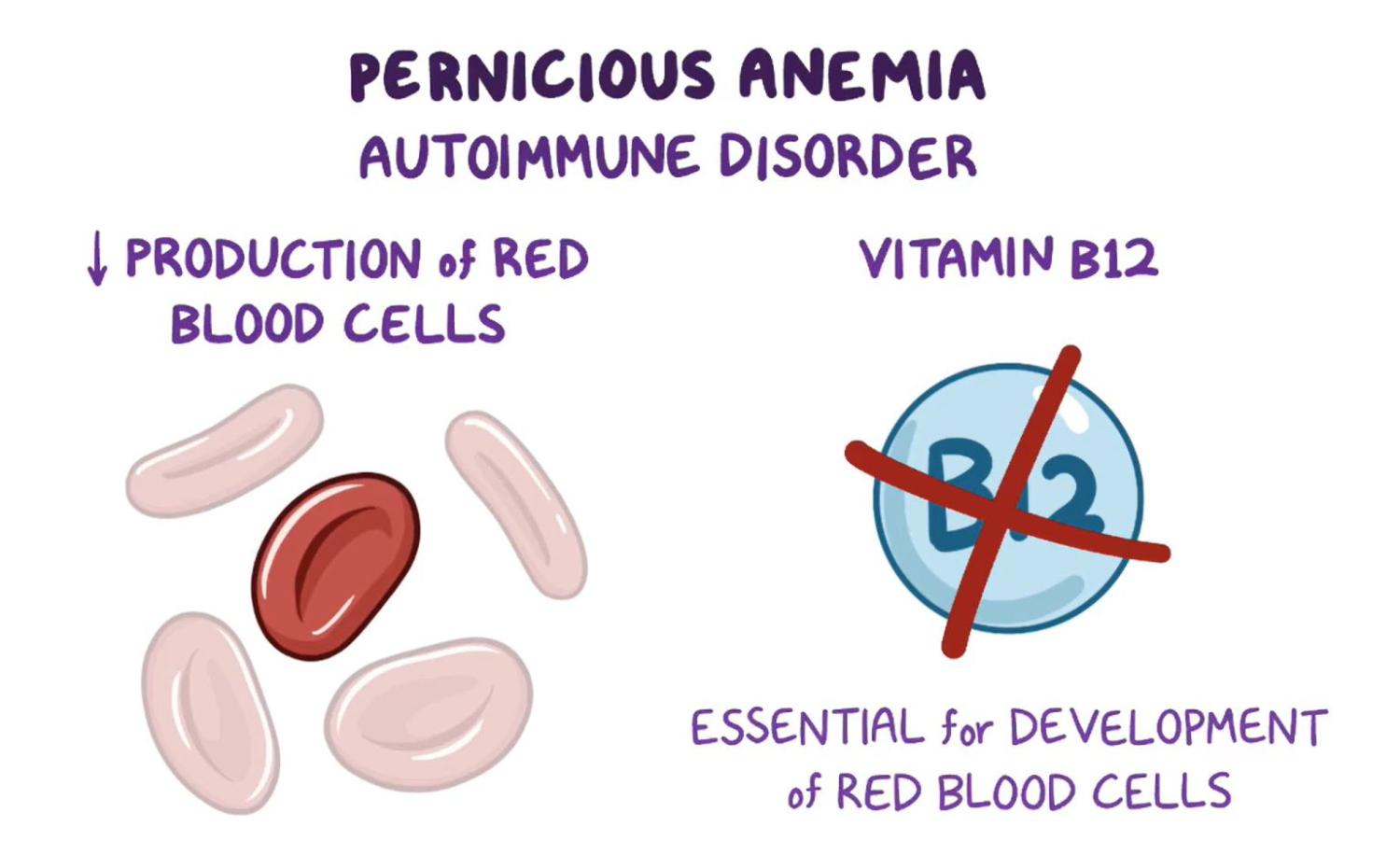
This article relates to SDG 3. This resource, created together by Osmosis and the National Organization for Rare Diseases (NORD), aims to increase the knowledge and awareness about pernicious anemia, a disease in which the body produces auto-antibodies against a stomach protein called Intrinsic Factor, causing B12 deficiency that cannot be resolved efficiently through oral intake.
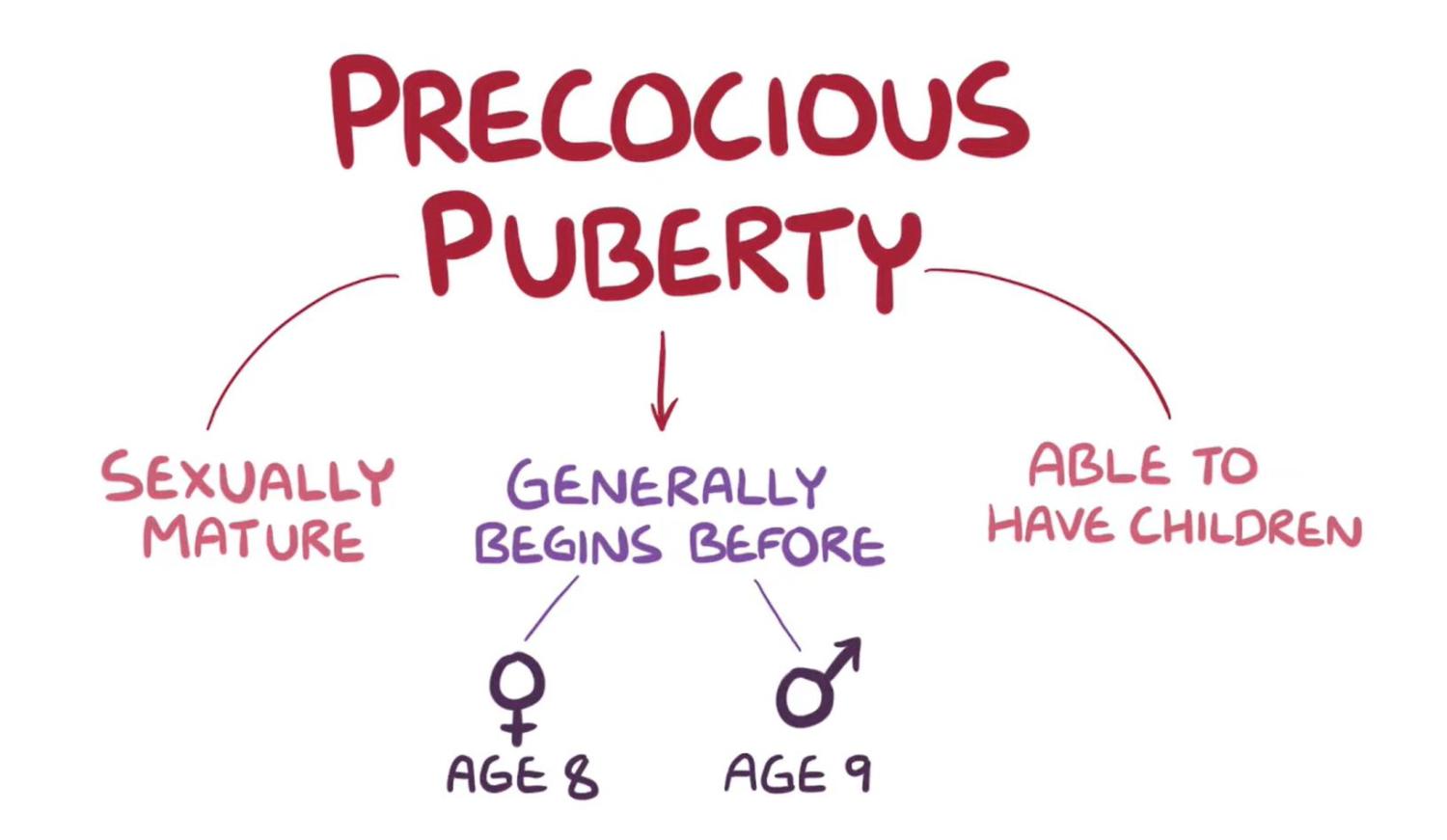
This article related to SDG 3. This resource, created together by Osmosis and the National Organization for Rare Diseases (NORD), aims to increase the knowledge and awareness about precocious puberty, a condition that causes children to start puberty early, affecting one in five thousand children.
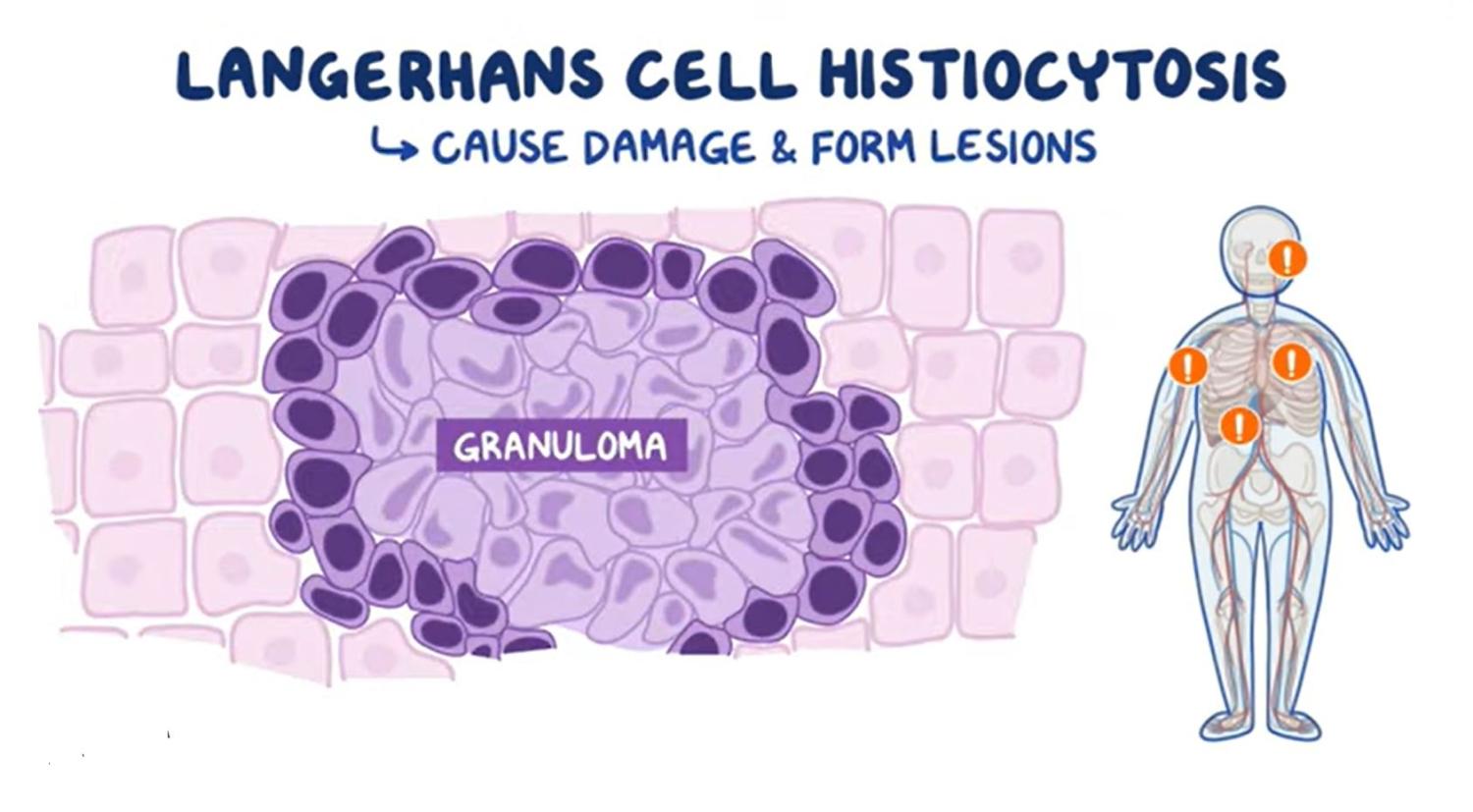
This article ties to SDG 3. This resource, created together by Osmosis and the National Organization for Rare Diseases (NORD), aims to increase the knowledge and awareness about the rare disease Langerhans Cell Histiocytosis (LCH), a proliferation of abnormal histiocytes, which are inflammatory immune cells that constantly patrol the body for invaders and can infiltrate multiple body parts including the bones, skin and nervous system.
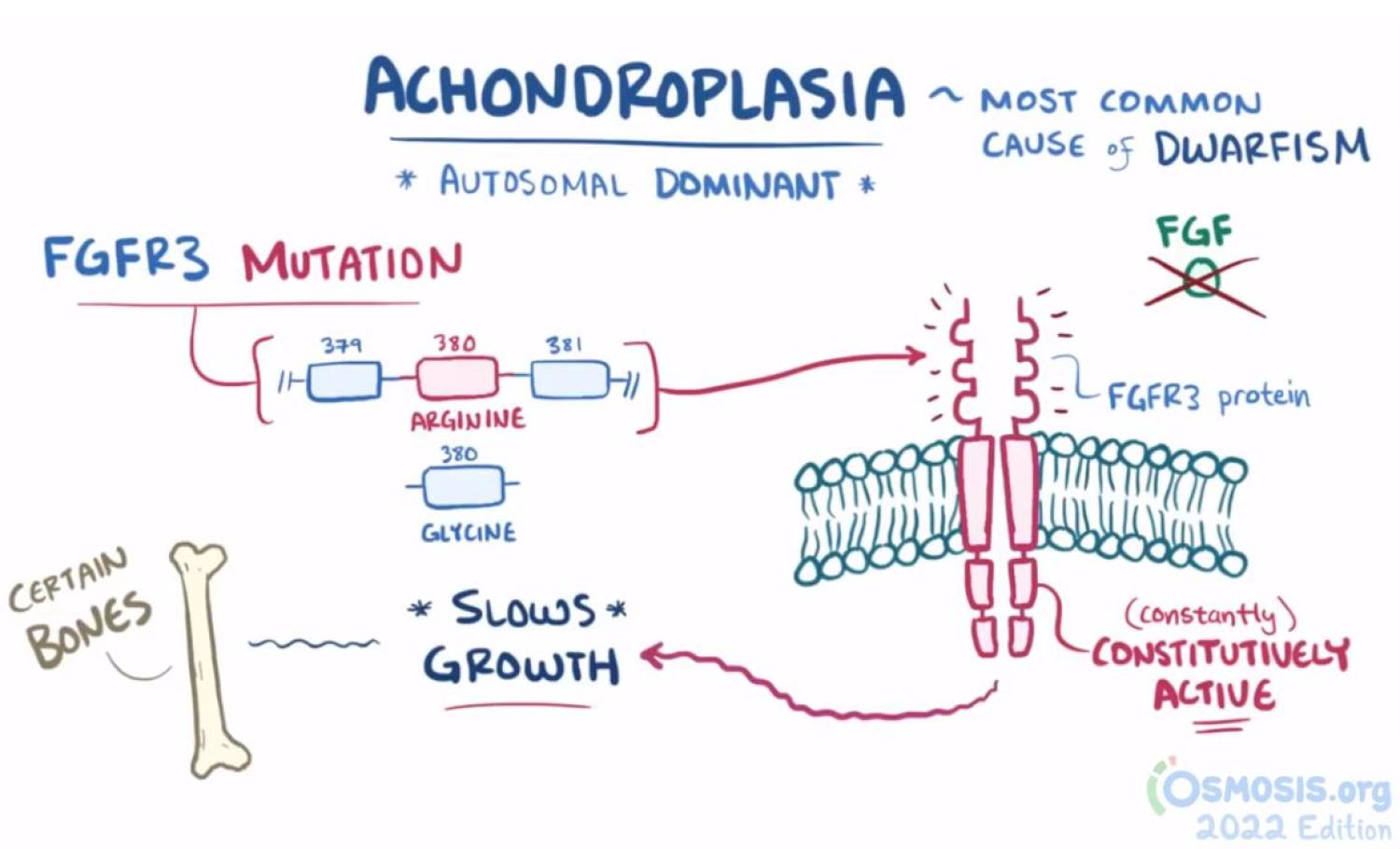
This article ties to SDG 3. This resource, created together by Osmosis and the National Organization for Rare Diseases (NORD), aims to increase the knowledge and awareness about the rare disease Achondroplasia, the most commonly occurring form of skeletal dysplasia that occurs in approximately 1 in 20,000-30,000 live births.
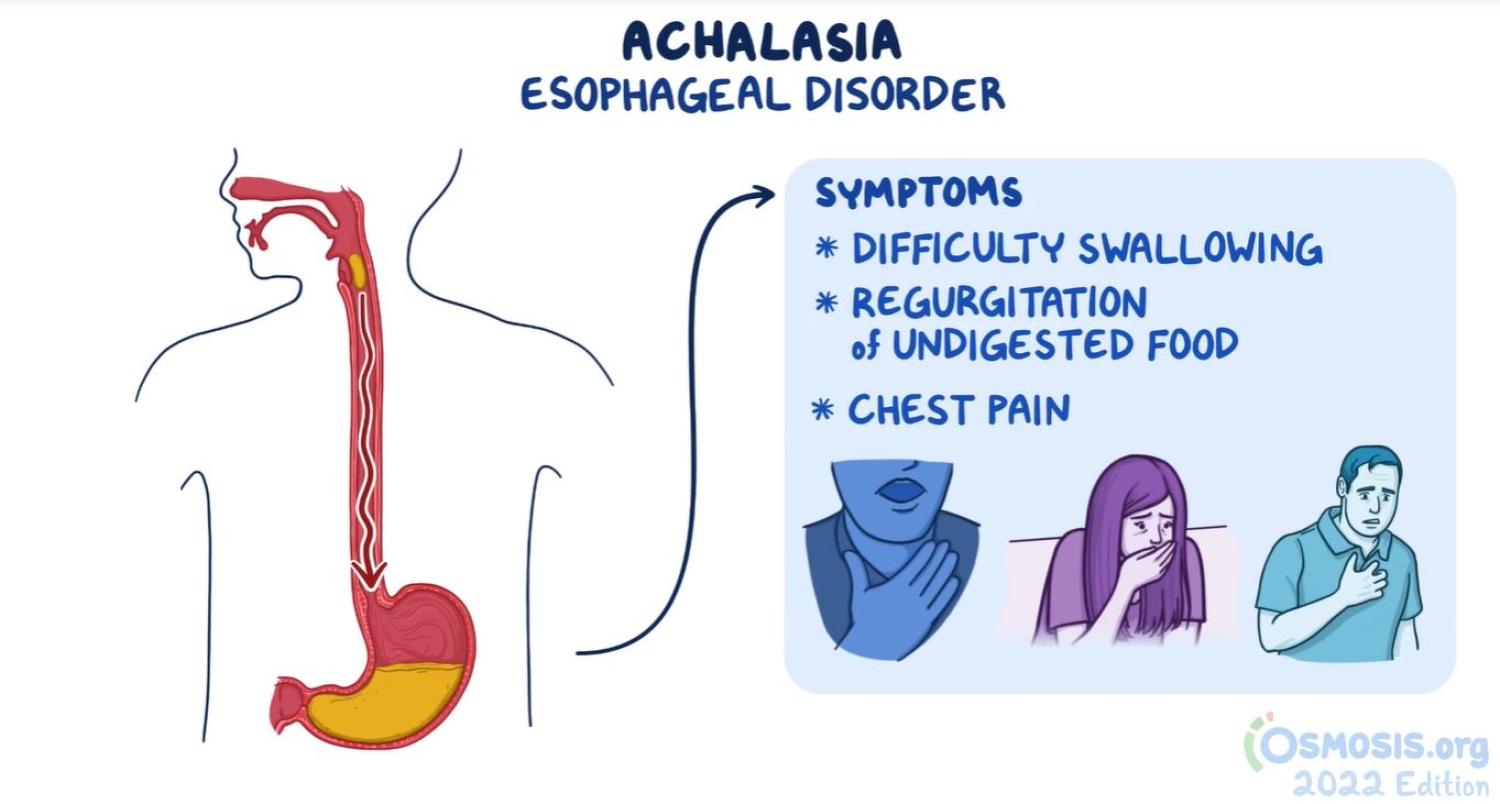
This article ties to SDG 3. This resource, created together by Osmosis and the National Organization for Rare Diseases (NORD), aims to increase the knowledge and awareness about the rare disease Achalasia, which involves damage to the nerves in the esophagus causing the lower esophageal sphincter, a circular muscle at the end of the esophagus, to be unable to relax. The resulting symptoms include difficulty swallowing and chest pain.

Rare Disease Education: Alkaptonuria

Editor: Kelsey LaFayette, DNP, RN, FNP-C

Rare Disease Education:  Hemophilia

Editor: Kelsey LaFayette, DNP, RN, FNP-C

Rare Disease Education:  PIK3CA-related Overgrowth Spectrum

Editor: Kelsey LaFayette, DNP, RN, FNP-C

This article relates to SDG 3. This resource, created together by Osmosis and the National Organization for Rare Diseases (NORD), aims to increase the knowledge and awareness about Rare Disease Education: Buerger Disease

This article relates to SDG 3. This resource, created together by Osmosis and the National Organization for Rare Diseases (NORD), aims to increase the knowledge and awareness about Rare Disease Education: Sanfilippo Syndrome

This article relates to SDG 3. ThCornelia de Lange Syndromeis resource, created together by Osmosis and the National Organization for Rare Diseases (NORD), aims to increase the knowledge and awareness about Rare Disease Education: Cornelia de Lange Syndrome

This article relates to SDG 3. This resource, created together by Osmosis and the National Organization for Rare Diseases (NORD), aims to increase the knowledge and awareness about Rare Disease Education: Batten Disease

This article relates to SDG 3. This resource, created together by Osmosis and the National Organization for Rare Diseases (NORD), aims to increase the knowledge and awareness about Rare Disease Education: Castleman Disease

This article relates to SDG 3. This resource, created together by Osmosis and the National Organization for Rare Diseases (NORD), aims to increase the knowledge and awareness about Rare Disease Education: Idiopathic Intracranial Hypertension

This article relates to SDG 3. This resource, created together by Osmosis and the National Organization for Rare Diseases (NORD), aims to increase the knowledge and awareness about Rare Disease Education: Hirschsprung Disease

This article relates to SDG 3. This resource, created together by Osmosis and the National Organization for Rare Diseases (NORD), aims to increase the knowledge and awareness about Rare Disease Education: Beta-Thalassemia

This article relates to SDG 3. This resource, created together by Osmosis and the National Organization for Rare Diseases (NORD), aims to increase the knowledge and awareness about Rare Disease Education: Glioblastoma

This article relates to SDG 3. This resource, created together by Osmosis and the National Organization for Rare Diseases (NORD), aims to increase the knowledge and awareness about Rare Disease Education: Syringomyelia

This article relates to SDG 3. This resource, created together by Osmosis and the National Organization for Rare Diseases (NORD), aims to increase the knowledge and awareness about Rare Disease Education: Thoracic Outlet Syndrome

This article relates to SDG 3. This resource, created together by Osmosis and the National Organization for Rare Diseases (NORD), aims to increase the knowledge and awareness about Rare Disease Education: Shwachman-Diamond Syndrome

This article relates to SDG 3. This resource, created together by Osmosis and the National Organization for Rare Diseases (NORD), aims to increase the knowledge and awareness about Rare Disease Education: Autoimmune Polyglandular Syndrome Type I

This article relates to SDG 3. This resource, created together by Osmosis and the National Organization for Rare Diseases (NORD), aims to increase the knowledge and awareness about Rare Disease Education: Canavan Disease

This article relates to SDG 3. This resource, created together by Osmosis and the National Organization for Rare Diseases (NORD), aims to increase the knowledge and awareness about Rare Disease Education: Fibromuscular Dysplasia

Rare Disease Education:  PGAP3-Congenital Disorder of Glycosylation

Editor: Kelsey LaFayette, DNP, RN, FNP-C