
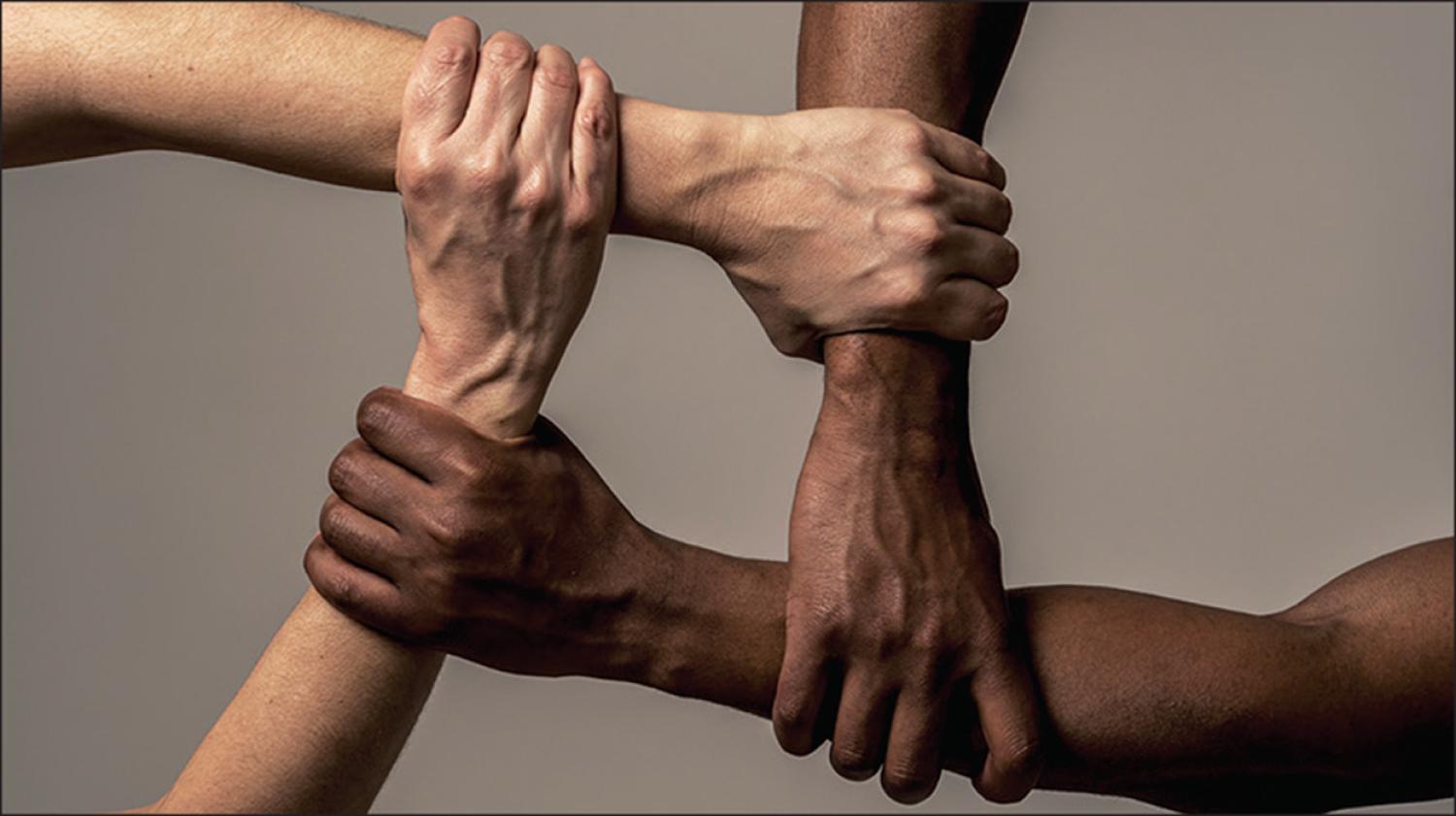
On March 21, The International Day for the Elimination of Racial Discrimination is observed annually on the day the police in Sharpeville, South Africa, opened fire and killed 69 people at a peaceful demonstration against apartheid "pass laws" in 1960. This year’s 2021 theme is “Youth standing up against racism”. It engages the public through #FightRacism, which aims to foster a global culture of tolerance, equality and anti-discrimination and calls on each and every one of us to stand up against racial prejudice and intolerant attitudes. Young people massively showed their support at the 2020 Black Lives Matter marches, which drew millions of demonstrators worldwide. On the streets, groundswells of youth came together to protest against racial injustice. On social media, they mobilized participation, calling on their peers to speak out, and to stand up for the equal rights of all. COVID-19 has heavily impacted young people, including those from minority backgrounds. Many are now grappling with an increase in racial discrimination, in addition to severe disruptions to their education; diminished employment prospects; and limited ability to participate in public life, which stymies their individual and social empowerment.
To engage, highlight, and raise awareness on racial discrimination, Elsevier presents a curated list of free access journal articles and book chapters. At Elsevier, we will #Standup4humanrights and send the message that racism is unacceptable everywhere.
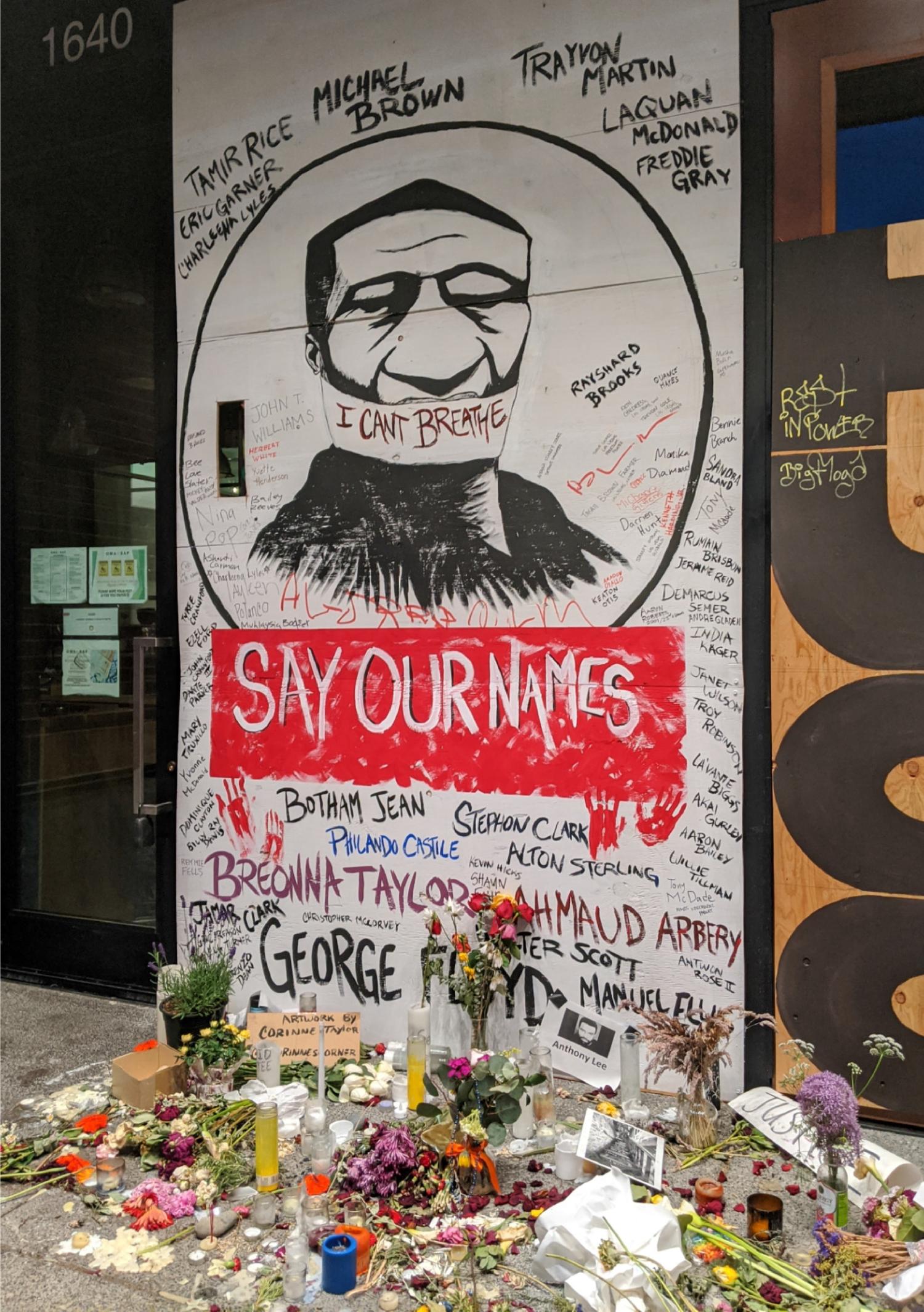
Recent events have reaffirmed that racism is a pervasive disease plaguing the United States and infiltrating the fabric of this nation. As health care professionals dedicated to understanding and alleviating disease, many radiation oncologists have failed to acknowledge how structural racism affects the health and well-being of the patients we aim to serve.
Purpose: Black physicians remain disproportionately underrepresented in certain medical specialties, yet comprehensive assessments in radiation oncology (RO) are lacking. Our purpose was to report current and historical representation trends for Black physicians in the US RO workforce. Methods and Materials: Public registries were used to assess significant differences in 2016 representation for US vs RO Black academic full-time faculty, residents, and applicants. Historical changes from 1970 to 2016 were reported descriptively.
This journal article advances SDG 3 and 10 by explaining that racial discrimination has no place in society, and certainly, not in this time of COVID-19 pandemic. As the epicentre of the disease outbreak continues to shift from place to place, urgent measures need to be developed to reduce the increasing cases of racial discrimination.
Kidney disease continues to manifest stark racial inequities in the United States, revealing the entrenchment of racism and bias within multiple facets of society, including in our institutions, practices, norms, and beliefs. In this perspective, we synthesize theory and evidence to describe why an understanding of race and racism is integral to kidney care, providing examples of how kidney health disparities manifest interpersonal and structural racism.
Objective: Health disparities are pervasive in nursing homes (NHs), but disparities in NH end-of-life (EOL) care (ie, hospital transfers, place of death, hospice use, palliative care, advance care planning) have not been comprehensively synthesized. We aim to identify differences in NH EOL care for racial/ethnic minority residents. Design: A systematic review guided by the Preferred Reporting Items for Systematic Reviews and Meta-Analyses and registered in PROSPERO (CRD42020181792).
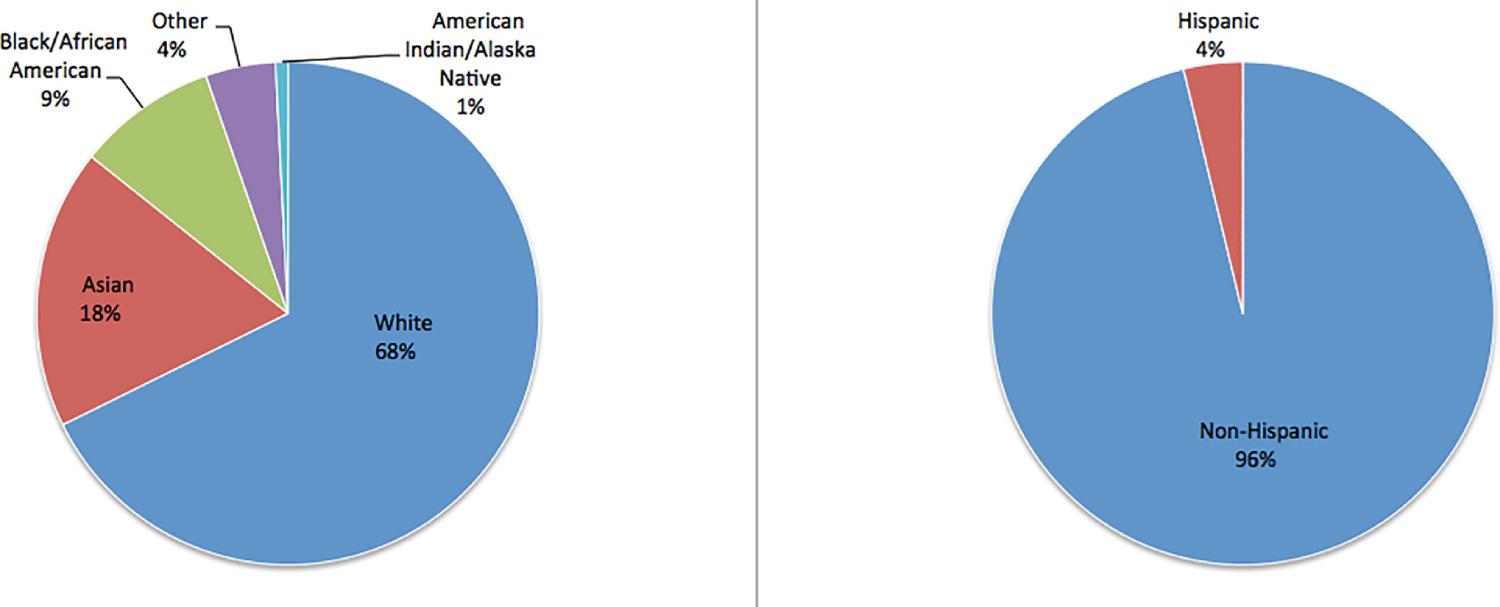
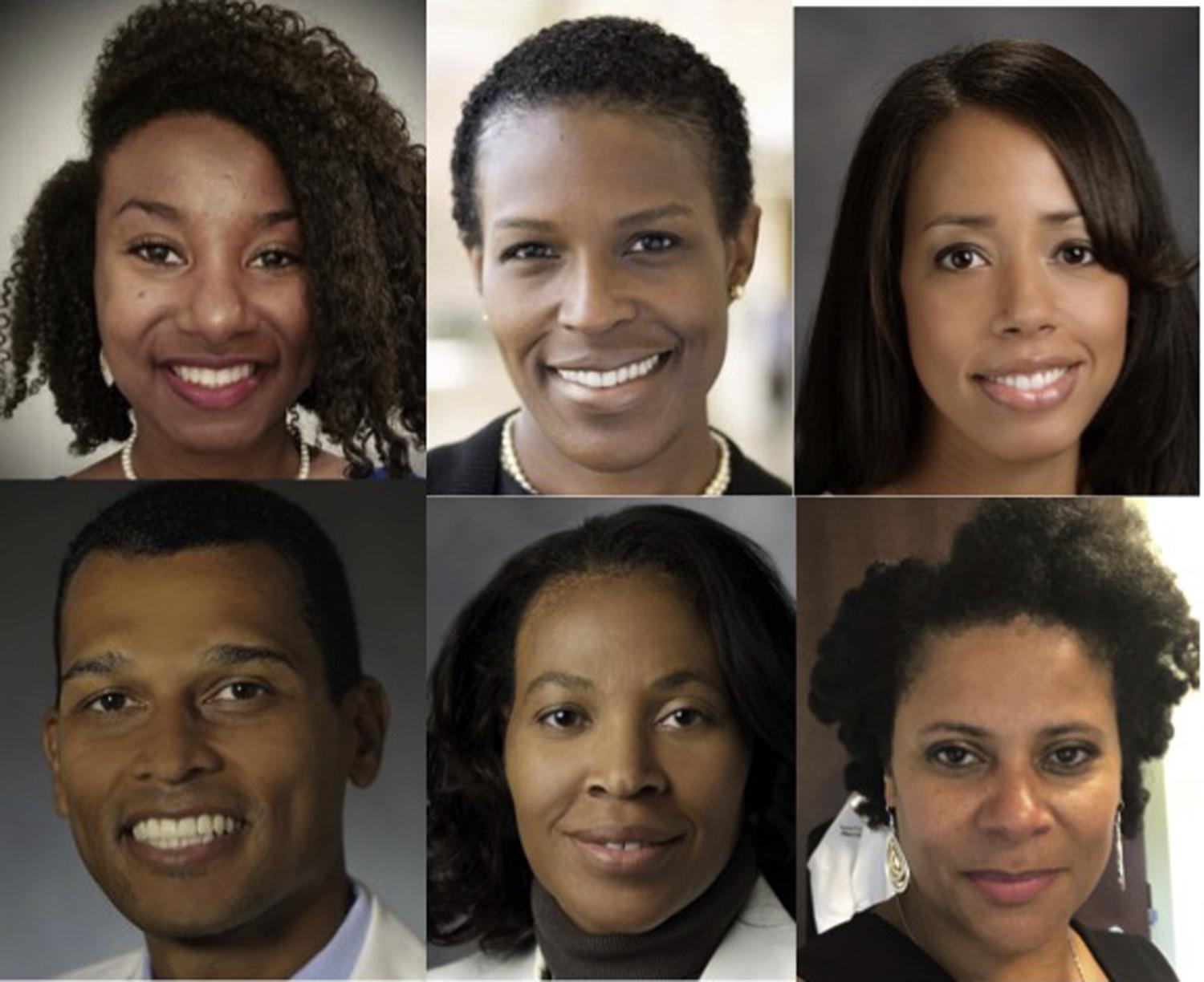
Objective: To define the current proportion of underrepresented minority (URM) academic urologists in leadership positions. Methods: A cross-sectional observational study of leadership positions in active United States Urology Residency Programs in 2020 was conducted. Academic urologists in leadership positions were electronically mailed a survey asking about personal and professional demographics. Self-reported variables including administrative position, race, and ethnicity were collected and analyzed.
Background: The population of older adults (ie, those aged ≥55 years) in England is becoming increasingly ethnically diverse. Previous reports indicate that ethnic inequalities in health exist among older adults, but information is limited by the paucity of data from small minority ethnic groups. This study aimed to analyse inequalities in health-related quality of life (HRQoL) and five determinants of health in older adults across all ethnic groups in England.
Background: Patients from ethnic minority groups are disproportionately affected by Coronavirus disease (COVID-19). We performed a systematic review and meta-analysis to explore the relationship between ethnicity and clinical outcomes in COVID-19. Methods: Databases (MEDLINE, EMBASE, PROSPERO, Cochrane library and MedRxiv) were searched up to 31st August 2020, for studies reporting COVID-19 data disaggregated by ethnicity. Outcomes were: risk of infection; intensive therapy unit (ITU) admission and death. PROSPERO ID: 180654.
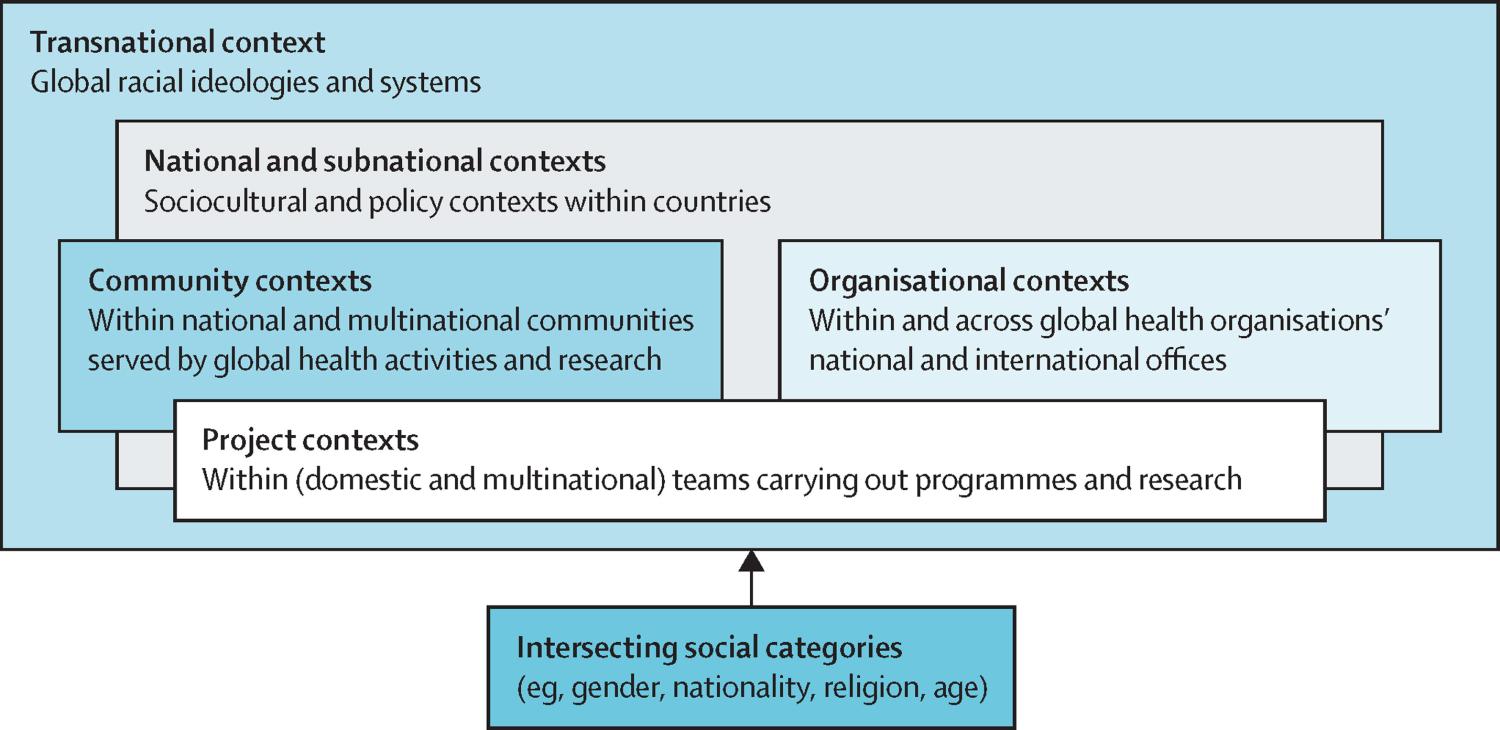
This Comment supports SDGs 3 and 10 by highlighting the need to centre race in the work of the global health community. The authors call on colleagues to meaningully engage with critical race theory, a transdisciplinary intellectual movement to understand and disrupt systemic racism.
Background: Disparities in outcomes of adult sepsis are well described by insurance status and race and ethnicity. There is a paucity of data looking at disparities in sepsis outcomes in children. We aimed to determine whether hospital outcomes in childhood severe sepsis were influenced by race or ethnicity and insurance status, a proxy for socioeconomic position. Methods: This population-based, retrospective cohort study used data from the 2016 database release from the Healthcare Cost and Utilization Project Kids’ Inpatient Database (KID).

This book chapter advances SDG 3, 5, and 10 through its examination of structural racism in the provision of health care services to black women in racially segregated black communities
This chapter addresses SDG 10 and SDG 3 by discussing the substantial disparities that exist in CKD and ESRD populations across race, ethnicity, and social class, and describes the role that social risks play in the development of CKD and ESRD and in their disparate impact on low-income and racial/ethnic minority populations.
This chapter addresses SDG 10 and SDG 3 by reviewing the explosion of research over the past 15 years on the role of segregation, and resultant differences in childhood neighborhood quality, as fundamental causes of health disparities over the life course.
This chapter addresses SDG 10 and SDG 3 by discussing the issues currently driving mental healthcare disparities in the Latinx population and how these approaches can provide a viable way to reduce them.
This book chapter addresses SDG 10 and SDG 3 by discussing the ways in which contemporary South Asian Muslim American experiences are further complicated when navigating additional marginalized identities such as gender and sexual orientation, age and generational influences, disability status, class, and national origin
This book chapter ties into SDG10 and 13 by investigating how climate change is causing environmental issues, has direct consequences on public health and indirect consequences due to food insecurity, stress migration, and collective violence. There is substantial social injustice both at global and local level, with climate change having a disproportionate adverse effect on poor people, minorities, women, children and older people.
This book chapter addresses SDG 8 and 10 by investigating how different racial or ethnic groups in many societies are not getting either equal access to human capital investment opportunities or equal treatment in labor markets, or both.
This chapter addresses SDG10 and SDG3 by investigating how studying the impact of race and ethnicity on epigenetic differences related to disease may shed light on the biological pathways through which environments contribute to health disparities.
This chapter addresses SDG5, SDG10, and SDG16 by examining inequality through the lense of individuals' positions of advantage or disadvantage of a social hierarchy and how that influences their propensity toward agency and communion.
This chapter addresses SDG10 and SDG16 by conceptualizing stereotyping, prejudice, and discrimination in the context of people using them as tools to manage social opportunities and threats, enhancing understanding of how and why stereotypes develop.
The health sector has an important role to play in terms of offering culturally appropriate and relevant care, tackling racism in the health care sector, improving engagement with Indigenous partners, and advocating for decolonizing policies that give control of health and wellness to the Indigenous people of Canada.