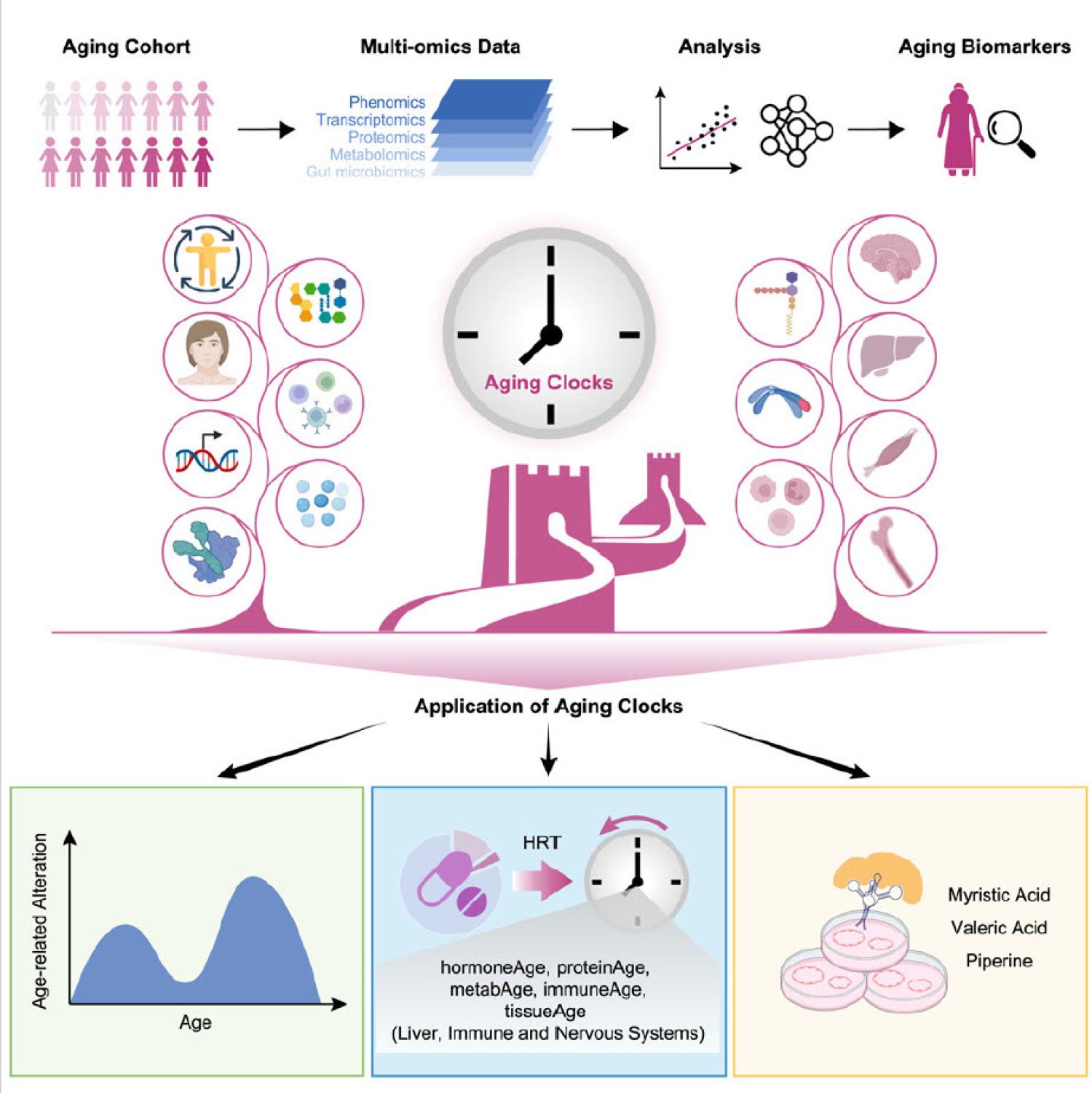
This study identifies a set of markers associated with aging in women, and uses them to create an "aging clock" that can measure a person's biological age. The clock reveals distinct aging patterns and suggests that hormone replacement therapy can slow down some aspects of aging.

This International Women’s Day, 8 March 2024, join the United Nations in celebrating under the theme Invest in women: Accelerate progress.
The world is facing many crises, ranging from geopolitical conflicts to soaring poverty levels and the escalating impacts of climate change. These challenges can only be addressed by solutions that empower women. By investing in women, we can spark change and speed the transition towards a healthier, safer, and more equal world for all.
If current trends continue, more than 342 million women and girls could be living extreme poverty by 2030. To ensure women’s needs and priorities are considered, governments must prioritize gender-responsive financing and increase public spending on essential services and social protection.
Policymakers must also value, recognize, and account for the vital contribution women make to economies worldwide through paid and unpaid care work. Women spend around three times more time on unpaid care work than men and if these activities were assigned a monetary value they would account for more than 40 per cent of GDP.
Investing in women and championing gender equality turbocharges a future where everyone in society can thrive, creating a world of boundless opportunity and empowerment for all.
(Taken from https://www.unwomen.org/en/get-involved/international-womens-day).
Elsevier, The Lancet Psychiatry, Volume 11, March 2024
This primary research Article looks at the effects of being able to access community perinatal mental health teams compared with living in regions where those teams were not available. The study found that, among women with a pre-existing mental disorder, the availability of community perinatal mental health teams reduced the post-natal risk of acute relapse and increased the use of secondary mental health care.
Elsevier, The Lancet Child and Adolescent Health, Volume 8, March 2024
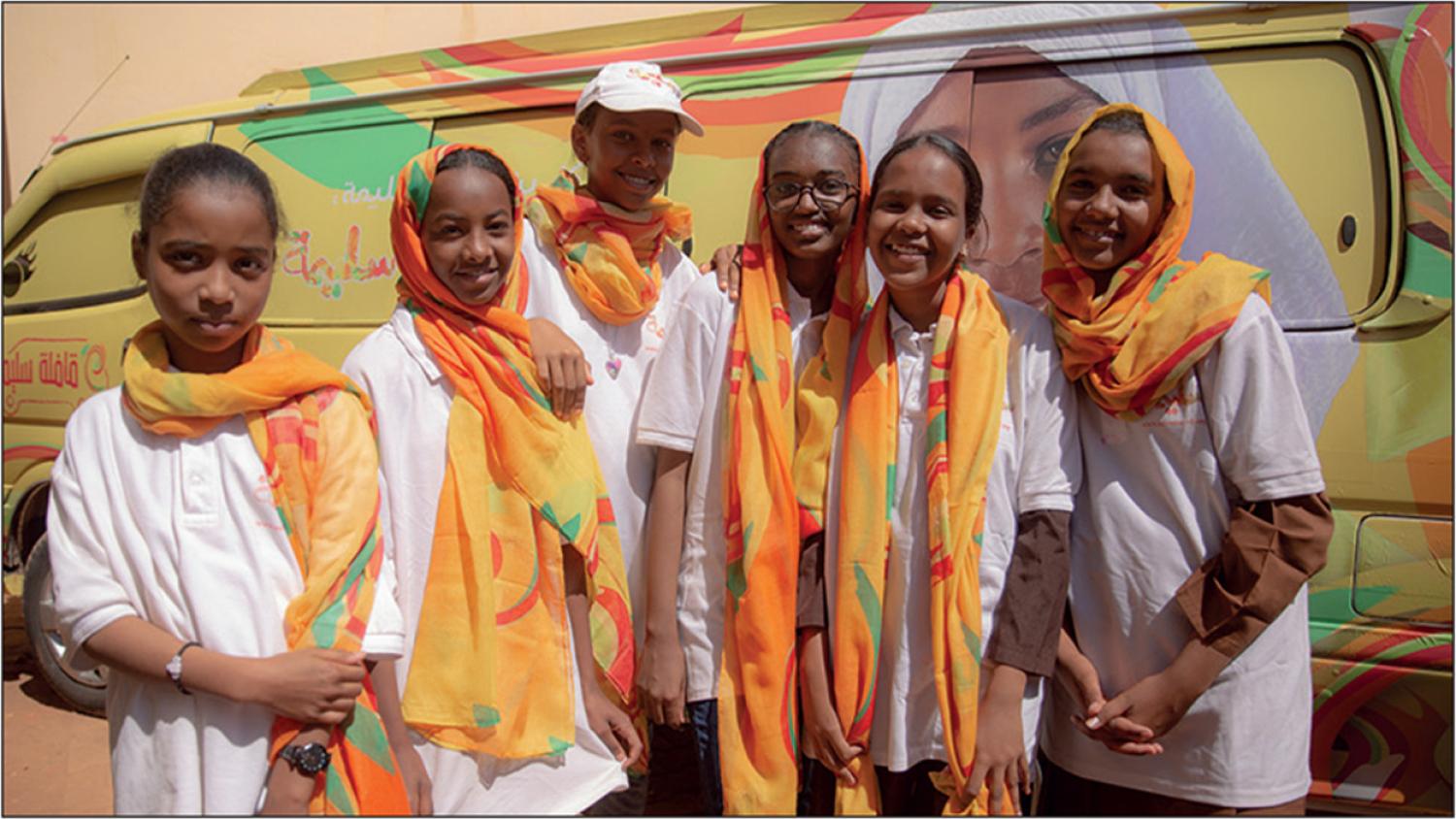
Adolescent girls are not receiving the support they need to thrive and are continuously disadvantaged by inattention and broad inequalities that limit their tremendous potential. Their potential is enormous—as is their belief in a better future.

Elsevier, The Lancet Child and Adolescent Health, Volume 8, February 2024
As a type of violence in intimate relationships, reproductive coercion encompasses a range of behaviours that exert external control over reproductive autonomy, from threats to coerce pregnancy to sabotaging contraception and controlling outcomes of a pregnancy, such as coerced abortion or forced continuation of a pregnancy. At a time when reproductive rights and bodily autonomy are under attack in many countries, and when adolescents (especially transgender and gender-diverse youth) are experiencing large barriers to health care, elucidating core characteristics of reproductive coercion, identifying harm reduction strategies, and preventing relationship abuse and reproductive coercion are of paramount importance.
Elsevier, The Lancet Psychiatry, Volume , 2024
Divorce remains illegal in the Philippines, and this Comment considers the legal situation around divorce and the risk of abuse and other mental health implications of this situation for women. It calls for legal changes to advance gender equity.
Elsevier, The Lancet Psychiatry, Volume , 2024
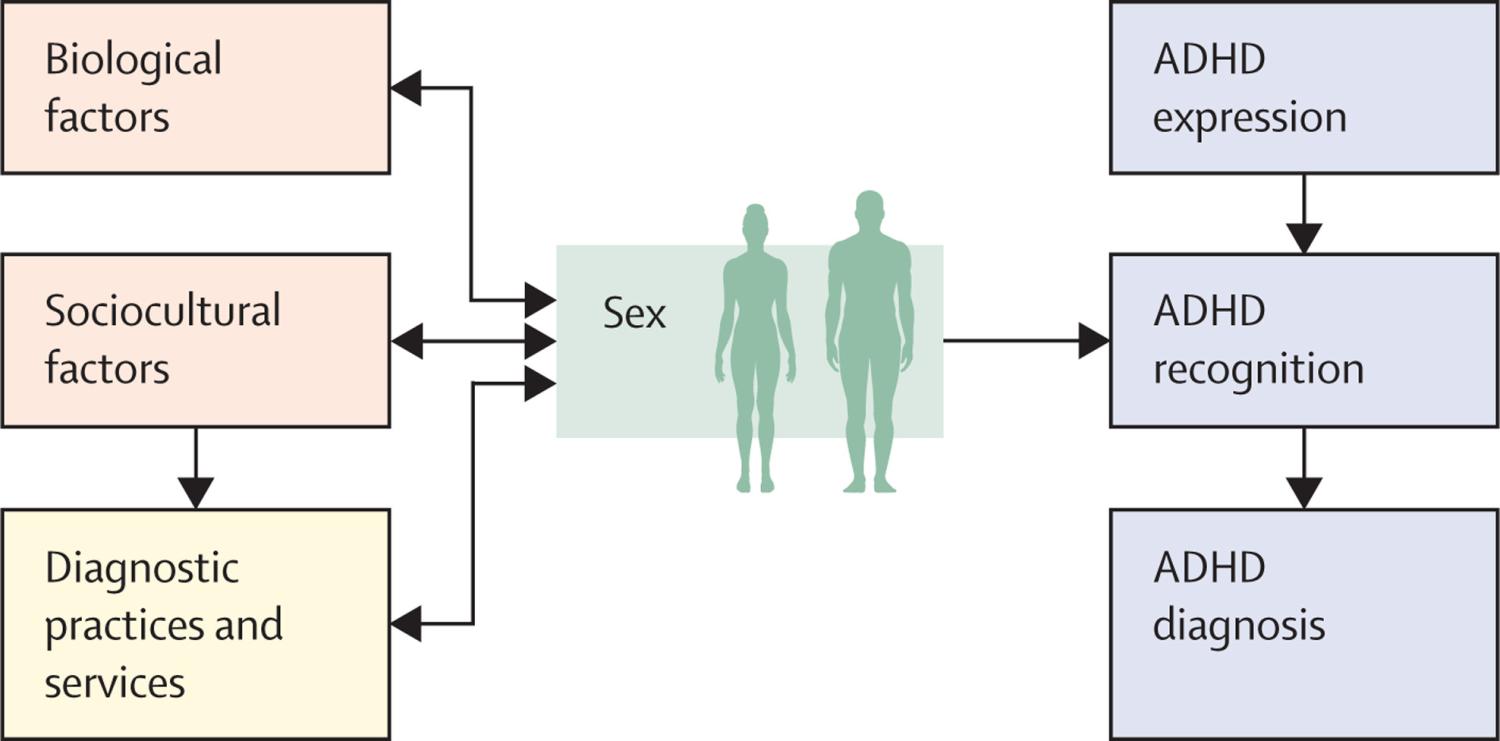
This Viewpoint looks at the reasons that females tend to be less likely to be diagnosed with ADHD, are diagnosed later in life, and are less likely to be prescribed medication. It considers potential biological factors including genetic factors, the influence of diagnostic factors such as diagnostic overshadowing, and sociocultural explanations including sex differences in presentation and compensatory behaviour.
Elsevier, The Lancet Child and Adolescent Health, Volume , 2024
The latest global prison trends from Penal Reform International suggest that approximately 740 000 women are in prison and that the number is rising in most regions. Neither the UN 2030 Agenda for Sustainable Development7 nor the UN definition of vulnerability make explicit reference to human rights of people deprived of their liberty.
Elsevier, The Lancet Child and Adolescent Health, Volume 7, December 2023
In this Viewpoint, an international panel of clinicians, scientists, and community members with lived experiences of autism reviewed the challenges in identifying autism in individuals who are assigned female at birth and proposed clinical and research directions to promote the health, development, and wellbeing of these individuals.
Elsevier, The Lancet Child and Adolescent Health, Volume 7, November 2023
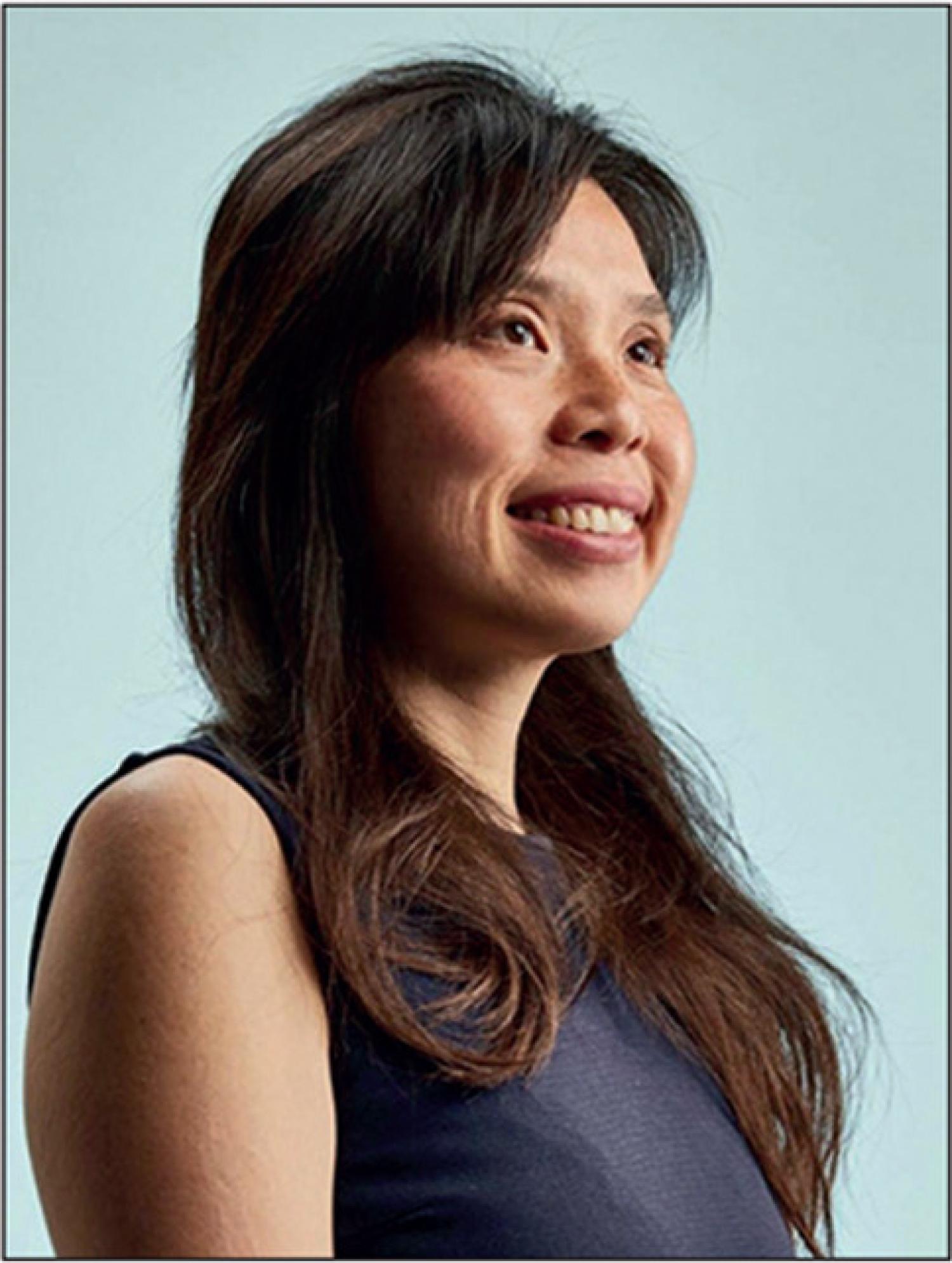
Stella Chan's interest in psychology began when she went through a tough time as a teenager. The experience gave her a sense of direction: “I wanted to learn more about psychology and how feelings work...I hoped I could do something constructive about mental health.”
Elsevier, The Lancet Regional Health - Europe, Volume 34, November 2023
Background: The prevention of sexual violence (SV) occurring shortly after arrival in host countries towards female asylum seekers requires knowledge about its incidence. We aimed to determine the incidence of SV and its associated factors during the past year of living in France among asylum-seeking females who had arrived more than one year earlier but less than two years. Methods: We conducted a retrospective cohort study using a life-event survey of asylum-seeking females who had been registered in southern France by the Office for Immigration for more than one year but less than two.
Elsevier, The Lancet Child and Adolescent Health, Volume 7, October 2023
From setting research priorities to developing research outputs, Sinéad Rhodes’ work involves coproduction with children, parents, teachers, and clinicians. Rhodes has received numerous awards for her public engagement work, including a Royal Society of Edinburgh medal for Innovation in Public Engagement and the Tam Dalyell Prize for Excellence in Engaging the Public with Science, which recognise her commitment to public engagement within her own research and beyond.
Elsevier, The Lancet Child and Adolescent Health, Volume 7, October 2023
The increased exposure to violence and sexual crimes among Indigenous women, girls, and Two Spirit people results from longstanding historical trauma and anti-Indigenous racism. The Missing and Murdered Indigenous Women, Girls, and Two-Spirit People (MMIWG2S) movement emerged as a result of the need for governments and organisations in the USA and Canada to act against acute violence towards Indigenous people
Elsevier, The Lancet Child and Adolescent Health, Volume 7, September 2023
Hillis is Senior Technical Advisor at the President's Emergency Plan for AIDS Relief (PEPFAR), and Senior Research Fellow and co-chair of the Global Reference Group on Children Affected by COVID-19 at the University of Oxford, Oxford, UK.
Elsevier, The Lancet Child and Adolescent Health, Volume 7, May 2023
Cluver is a multi-award-winning researcher, earning her place as one of the UK Research and Innovation's 15 Women with Impact in Research in 2019. “I think if we get the science right we can improve people's lives, children's lives”, she says, convincingly.
Elsevier, The Lancet Child and Adolescent Health, Volume 7, March 2023
Shaquita Bell, who is both Black and Indigenous, recently became the 33rd Native-identifying full professor of medicine in the USA. Bell's work questions the idea of race as a driver of health outcomes, and aims to improve understanding of race as a social rather than a biological construct.

Elsevier, The Lancet Child and Adolescent Health, Volume 7, February 2023
Adolescents comprise a small portion of those who receive abortions, but they rely more on abortion care than any other group; approximately 50% of pregnancies in people younger than 15 years and 25% of pregnancies in those aged 15–19 years end in abortion.
Elsevier, Trends in Immunology, Volume 43, November 2022
The criminalization of women’s healthcare in many USA states has created uncertainty about women’s access to evidence-based medical care and will affect the physical, mental, and emotional health and well-being of women. This article is intended to start a discussion on this complex topic in the immunology community.
Elsevier, The Lancet, Volume 402, 2 December 2023
Women interact with cancer in complex ways, as healthy individuals participating in cancer prevention, as patients, as health professionals, researchers, policymakers, and as unpaid caregivers. In all these domains, women often are subject to overlapping forms of discrimination, such as due to age, race, ethnicity and socio-economic status, that render them structurally marginalized. Women, power and cancer: A Lancet Commission recommends that sex and gender be included in all cancer-related policies and guidelines, making these responsive to the needs and aspirations of women in all their diversities. It identifies ten priority actions stakeholder groups can take towards lasting and impactful change.
Elsevier, The Lancet Global Health, Volume 12, February 2024
This Series paper supports SDGs 3 and 5 by examining the determinants of maternal health and mortality and how these could be addressed to improve outcomes. The causes of maternal mortality, and efforts to improve maternal health, require a multipronged and multidisciplinary approach.
Elsevier, eClinicalMedicine, Volume 67, January 2024
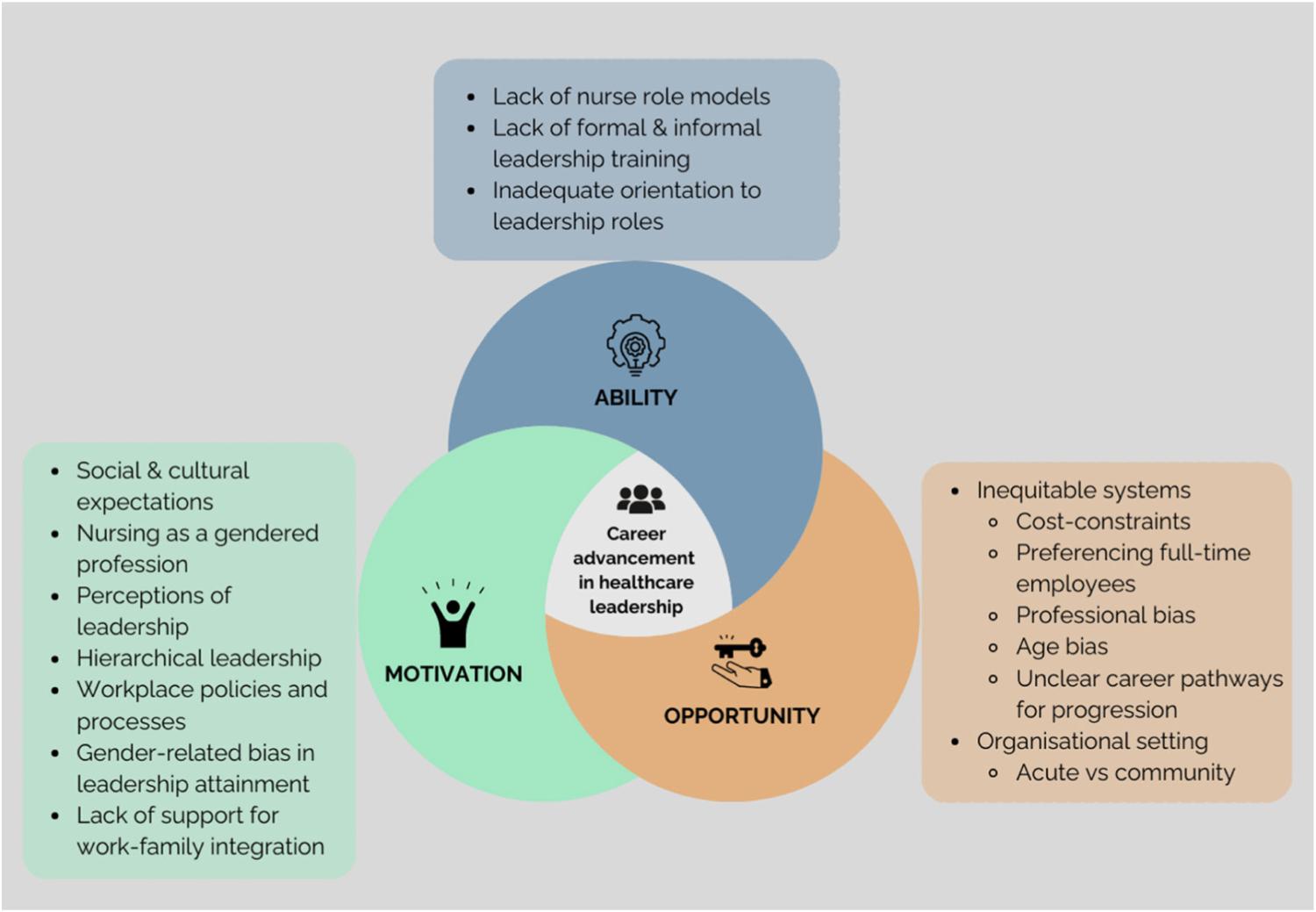
This Article supports SDG 5 by showing that women nurses aspiring to become healthcare leaders face multiple barriers, including cultural, professional, organisational, and individual barriers. The findings should help to inform workplace policies that can lessen these barriers.
Elsevier, eClinicalMedicine, Volume 64, October 2023
This Article supports SDG 5 by analysing gender and ethnicity trends in authorship in two leading UK medical journals. With regard to gender, the study finds that the proportion of women first and last authors has increased significantly in the past two decades, making progress towards equity in both journals.
Elsevier, Patterns, Volume 4, 10 November 2023
Contextualizes discussions about future rights for AI agents in the context of the women rights and other civil rights movements. Brandeis Marshall, a leading voice in ethical and equitable AI, argues that we must focus first on building a social framework for AI that protects humans and their rights.
Elsevier, Patterns, Volume 4, Issue 7, 2023, 100790, ISSN 2666-3899,
This Perspective explores the sources of bias in medical machine learning, and how these can contribute to unequal performance, for example for women. The authors discuss methods for mitigating bias, hopefully leading to more equitable use of machine learning in healthcare.

Elsevier, Principles of Gender-Specific Medicine, Fourth Edition, 2023, pp 699-711
This chapter aligns with SDG Goal 5: Gender equality and Goal 10: Reduced inequalities by highlighting the frequency with which women are misdiagnosed and considering how sex and gender can better be implemented in healthcare research.
Elsevier, Case Studies in Disaster Recovery, 2023, pp 87-108
This chapter aligns with SDG Goal 5: Gender equality and Goal 9: Industry, innovation and infrastructure by exploring the role women have played in disaster recovery and how this engagement fosters and enhances women's leadership roles.
Elsevier, Intelligent Environments: Advanced Systems for a Healthy Planet, Second Edition, 2023, pp 285-322
This content aligns with Goal 5: Gender Equality and Goal 9: Industry, Innovation, and Infrastructure by discussing the potential of smart technologies to improve safety and gender equity in urban environments.
Elsevier, The Lancet, 2024, ISSN 0140-6736,
https://doi.org/10.1016/S0140-6736(23)02802-7.
https://doi.org/10.1016/S0140-6736(23)02802-7.
This paper is about treatment-induced menopause after cancer care. It highlights how treatment-induced menopause can lead to more severe symptoms than natural menopause and these are often overlooked during cancer care – especially in LMICs.
Elsevier, The Lancet, 2024, ISSN 0140-6736,
https://doi.org/10.1016/S0140-6736(23)02801-5.
https://doi.org/10.1016/S0140-6736(23)02801-5.
This article is about mental health and menopause and questions the assumption that menopause always causes mental health problems whilst also identifying specific at-risk groups who may need additional support.
Elsevier, The Lancet, 2024, ISSN 0140-6736, https://doi.org/10.1016/S0140-6736(23)02800-3.
This paper is about premature menopause (before the age of 40) and early menopause (40-44) and highlights the specific research and care needed by women experiencing premature or early menopause.
Elsevier, The Lancet, 2024, ISSN 0140-6736, https://doi.org/10.1016/S0140-6736(23)02799-X.
This paper is about empowering women during the menopause and argues that an over-simplified narrative of menopause as a health problem to be solved by replacing hormones is not based on evidence and deflects attention from the need for substantial societal shifts in how menopause, and midlife/older women in general, are viewed and treated around the world.