
World Hepatitis Day takes place every year on 28 July to raise awareness of the global burden of viral hepatitis. To highlight this important disease, Elsevier is proud to host this special collection of book chapters and journal articles which are freely available to download.

On the occasion of World Hepatitis Day 2023, this "World We Want" podcast episode focuses on the public health threat of hepatitis and the urgent need to address it to achieve SDG3: Good Health and Well-Being. Here, Márcia Balisciano speaks to Rob Brierley, Editor-in-Chief of The Lancet Gastroenterology & Hepatology to understand the ongoing challenges to achieving this goal, including medical, infrastructural, financial, and other roadblocks.
This Article supports SDG 3 by showing the association between unstable housing (the lack of access to adequate or fixed housing) with HIV and HCV infection among people who inject drugs, finding that a substantial proportion of infections (11.2% of new HCV infections in the study period) and suggesting that the broader social needs of this population, including housing, should be addressed as part of efforts to reduce and eliminate these infections.
Two modern vaccines that have elicited significant opposition are those directed against hepatitis B and human papilloma viruses. In the case of hepatitis B, unfounded claims suggest that it can cause the autoimmune disease multiple sclerosis. These claims have resulted in multiple lawsuits. In the case of human papilloma virus, that causes a sexually transmitted disease, much of the opposition has centered on the suggestion that it will promote sexual promiscuity in young children.
This Article supports SDG 3 by showing that an HCV testing (point-of-care) and treatment programme implemented in users of a supervised drug cosumption service in Canada was beneficial, with a large degree of positive testing, testing acceptance, and treatment engagement. The study suggests that on-site point of care testing and treatment for HCV in supervised consumption services is effective in reaching this population
Hepatocellular carcinoma (HCC) accounts for between 85% and 90% of primary liver cancers. It has several interesting epidemiological characteristics. Differences in distribution have been noted between geographic regions and ethnic groups but also according to sex and the presence of several risk factors linked to the environment. A variety of risk factors for HCC have been reported, including hepatitis B and C viruses, aflatoxin B1, alcohol consumption, nonalcoholic fatty liver disease, and hemochromatosis. Hepatitis B virus (HBV) is a ubiquitous virus with worldwide distribution.
This article aligns with the SDG goal 3 of Good health and wellbeing, SDG 10 Reduced inequalities, and SDG 12 Responsible consumption and production by proposing Choosing wisely recommendations to help general practitioners adopt a more rational and cost-effective approach to treating patients with viral hepatitis in Brazil and Latin America.
For many years, hepatitis E was thought to be largely restricted to endemic developing countries where hepatitis E virus (HEV) genotypes 1 and 2 are transmitted by contaminated water and cause large epidemics in association with monsoon rains in Asia or during humanitarian crises in Africa. It is now estrablished that hepatitis E is endemic in many developed countries where it is a porcine zoonosis caused by HEV genotypes 3 and 4. HEV is responsible of life-theatening illness in vulnerable populations including pregnant women in developing countries.
Chronic right-sided heart failure has deleterious effects on many organ systems, and the liver is no exception. Passive hepatic congestion not only can precipitate impaired hepatic synthetic function and hepatic fibrosis, but it can also predispose the liver to more severe acute injury in the setting of circulatory compromise, an entity known as hypoxic hepatitis.
Hepatitis B virus (HBV) is a hepatotropic virus capable of evading immune defense, usually leading to chronic hepatitis and hepatocellular carcinoma. The death rate in case of patients suffering from liver cancer associated with hepatitis B oncovirus is on the rise. Thus to effectively reduce the incidence of this disease, vaccination with preventive HBV vaccines is essential, and continuous development of therapeutic vaccines is needed to treat patients with preexisting infection.
This content supports the SDG Goal 3: Good health and well-being by presenting the antiviral strategies available to treat viral infections, those used to treat chronic viral hepatitis, and the mechanisms of action of drugs approved or at the developmental stage.
This content supports the SDG Goal 3: Good health and well-being by providing the current knowledge regarding standard therapy and suggestions based on the literature for AIH patients being nonresponders to standard therapy and difficult-to-manage AIH patients to standard therapy.
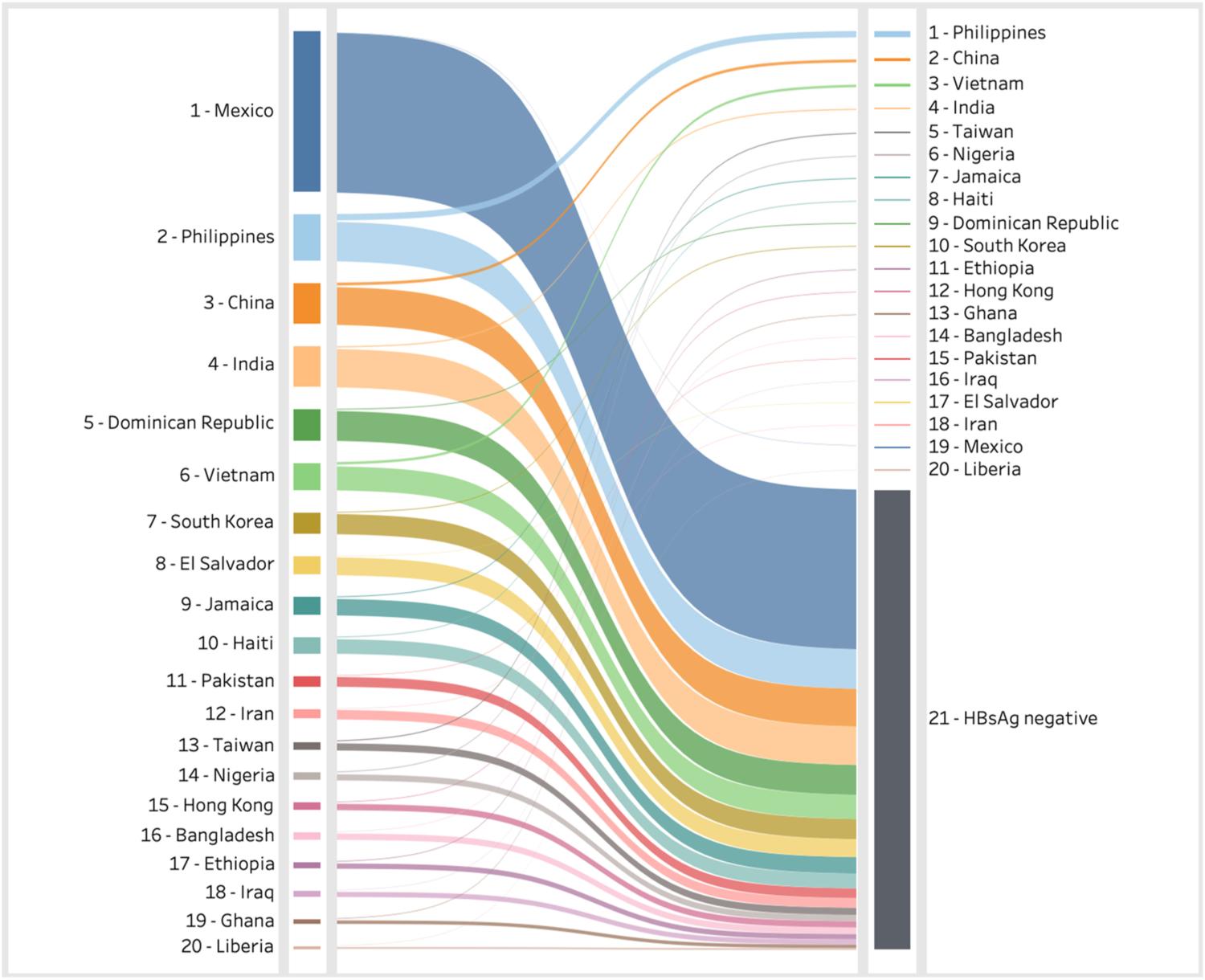
This Article supports SDG 3 by using modelling to estimate the impact of immigration on hepatitis B prevalence in the USA, in order to more accurately assess the hepatitis B burden, which might not be accurately measured by national serosurveys. The study found a significantly higher burden of hepatitis B (1.8 million cases), significantly higher than that found in national serosurveys.
Introduction and Objectives: We initiated this multicenter study to integrate important risk factors to create a nomogram for hepatitis B virus (HBV)-related hepatocellular carcinoma (HCC) for clinician decision-making. Patients and Methods: Between April 2011 and March 2022, 2281 HCC patients with an HBV-related diagnosis were included. All patients were randomly divided into two groups in a ratio of 7:3 (training cohort, n = 1597; validation cohort, n = 684). The nomogram was built in the training cohort via Cox regression model and validated in the validation cohort.

This content supports the SDG Goal 3: Good health and well-being and Goal 6: Clean water and sanitation by emphasizing the presence of pathogens, particularly virus, in the waste and leachate materials of some landfills, and also on the waste management, awareness, precaution, needed to be considered to overcome the diseases caused by viral particles.
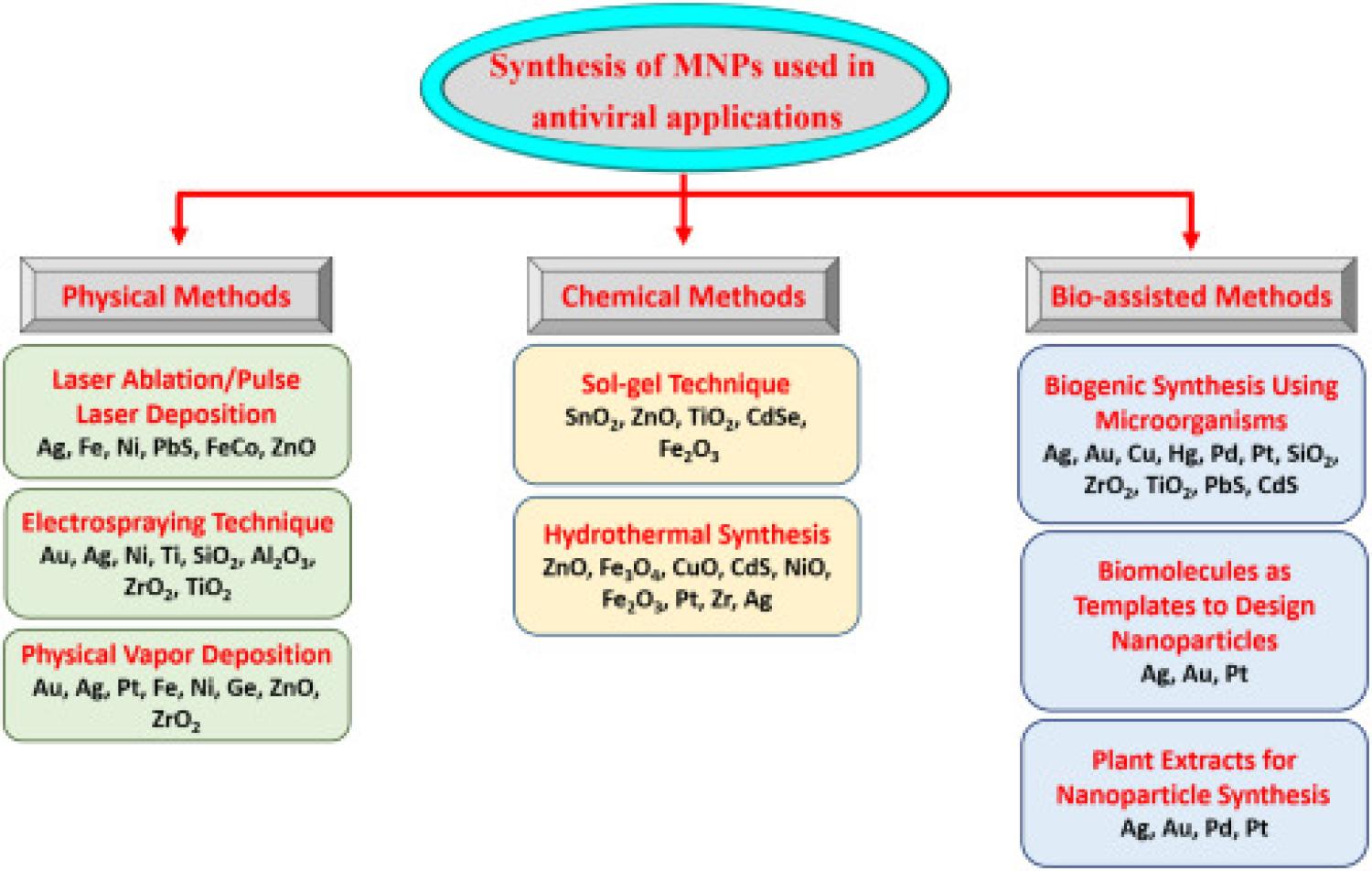
This content supports the SDG Goal 3: Good health and well-being by discussing the role of multifunctional metal nanoparticles as antiviral therapeutic agents and nanovaccines against different viruses, including human immunodeficiency virus, hepatitis viruses, influenza A virus, herpes simplex virus, and severe acute respiratory syndrome coronavirus 2.
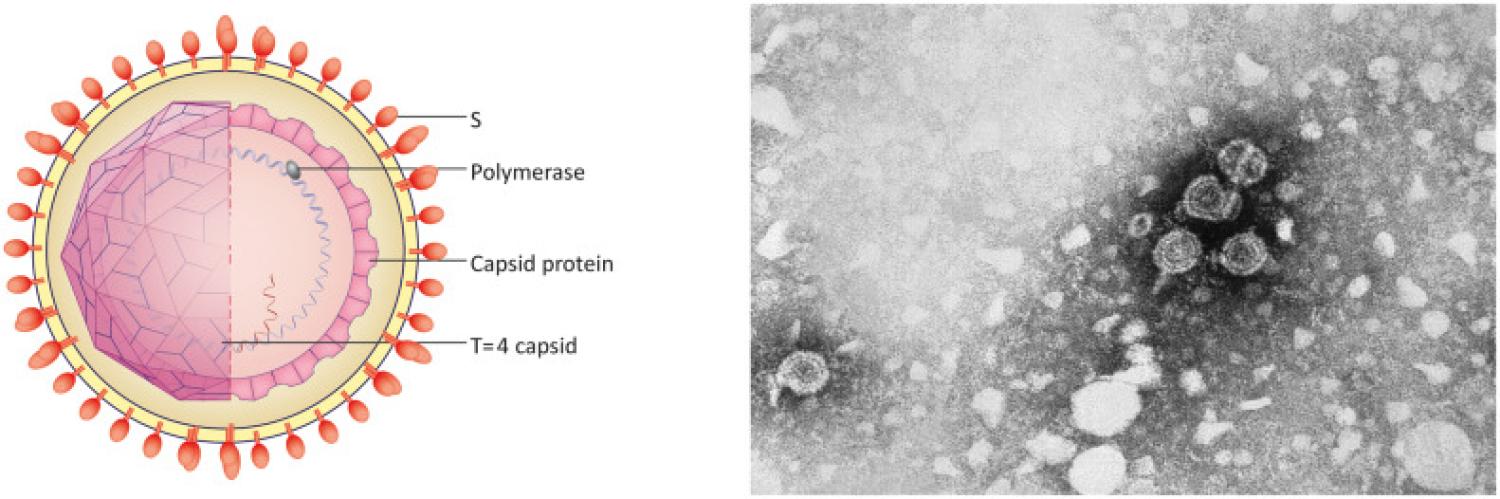
This content supports the SDG Goal 3: Good health and well-being by exploring the human hepatitis B virus (HBV), family Hepadnaviridae, as a highly infectious virus transmitted by blood and body fluids.
This content supports the SDG Goal 3: Good health and well-being by discussing sexually transmitted diseases caused by viruses including genital warts, genital herpes, the human immunodeficiency virus, human T cell lymphotropic virus, and hepatitis A, B, C.
This content supports the SDG Goal 3: Good health and well-being by providing the current knowledge regarding standard therapy and suggestions based on the literature for AIH patients being nonresponders to standard therapy and difficult-to-manage AIH patients to standard therapy.
This content supports the SDG Goal 3: Good health and well-being by presenting the antiviral strategies available to treat viral infections, those used to treat chronic viral hepatitis, and the mechanisms of action of drugs approved or at the developmental stage.
2023, Pages 1237-1243.e3
This content supports the SDG Goal 3: Good health and well-being by discussing the pathogens, epidemiology, clniical manifestations, laboratory findings, treatment and prevention of Hepatitis A.
Volume 1: Fundamentals of Oncoviruses
2023, Pages 243-262
This content supports the SDG Goal 3: Good health and well-being by exploring the long-term surveillance of the infected patient to help aid in understanding the connection between HCV and HCC and its related complications.
This Article supports SDG 3 by assessing the incidence of HCV infection among people with HIV, during different periods statified by level of access to direct-acting antiviral therapy for HCV. Broader access to this treatment was associated, through a "treatment as prevention" effect, with lower incidence of HCV infection - approximately 50% lower in the period of broad access to the treatment compared with the period before access to the treatment.
This article aligns with the SDG goal 3 of Good health and wellbeing and SDG 10 Reduced inequalities by highlighting the importance of hepatitis C virus testing among high-risk population groups such as people living with HIV and intravenous drug users.
This article aligns with the SDG goal 3 of Good health and wellbeing and SDG 10 Reduced inequalities by evidencing that the magnitude of hepatitis delta virus (HDV) infection increases with the severity of liver disease among chronic hepatitis B patients in Ethiopia.
This Article supports SDG 3 by analysing two vaccination strategies for hepatitis A outbreaks in men who have sex with men: pre-emptive (before an outbreak occurs) and reactive (once an outbreak has started). The study shows that both strategies can be cost-saving, but pre-emptive vaccination can save more money, suggesting that a pre-emptive strategy should be the first choice, and reactive used if the pre-emptive vaccination fails to prevent the outbreak.
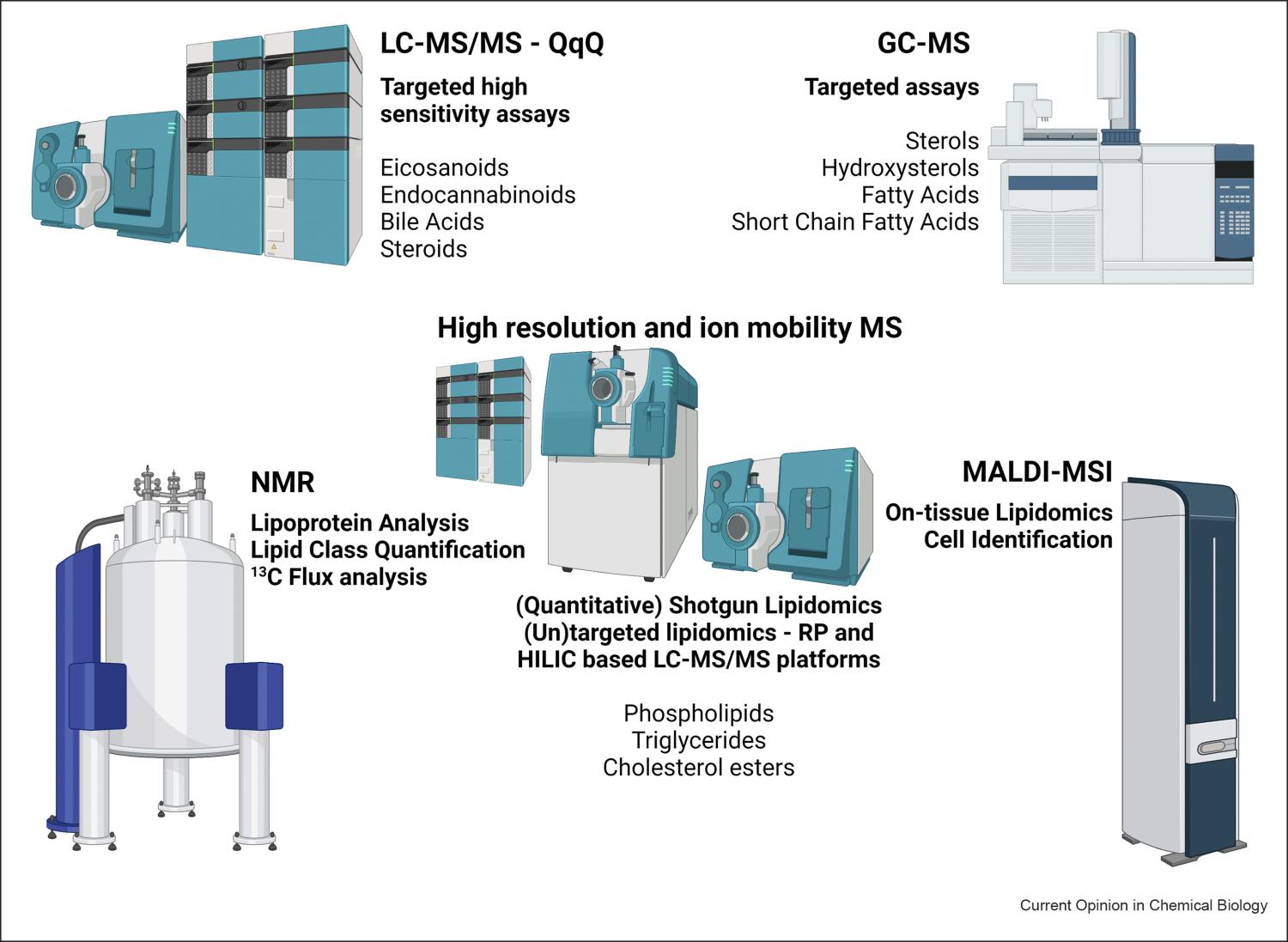
Despite being a relatively new addition to the Omics' landscape, lipidomics is increasingly being recognized as an important tool for the identification of druggable targets and biochemical markers. In this review we present recent advances of lipid analysis in drug discovery and development. We cover current state of the art technologies which are constantly evolving to meet demands in terms of sensitivity and selectivity. A careful selection of important examples is then provided, illustrating the versatility of lipidomics analysis in the drug discovery and development process.
This Article supports SDG 3 by evaluating the prevalence of viral hepatitis among patients cirrhosis. Globally, the prevalence rates were 42% for HBV and 21% for HCV, with variation by region. The data in this study will help with resource allocation for viral hepatitis.
In this relatively large cohort of allogeneic HCT recipients at risk for HBV reactivation, authors demonstrated that HBV vaccination with at least 2 doses of recombinant vaccine starting 1 year after transplantation is independently associated with a reduced risk for HBV reactivation and appears to be durable for years. Furthermore, authors confirmed that that HBV reactivation is a late complication of HCT, occurring at a median of 21 months after transplantation. Finally, authors confirmed that recipient HBsAb concentration above the threshold of protection (10 IU/L) before transplantation is independently associated with a reduced risk of reactivation after transplantation.
This paper supports SDG 3 by investigating changes in the clinical care cascade of chronic hepatitis B in Beijing; the results indicate that further efforts are needed to scale up testing, linkage to care, and treatment of chronic hepatitis B not only in Beijing but across China, to achieve the goal of elimination hepatitis B virus by 2030.
This Article supports SDG 3 by describing the prevalence of HBV infection among children who received hepatitis B vaccination at birth. Prevalence was lowest in those who received vaccination within 24 hours of birth, although there was still substantial risk of infection even with timely vaccination.
This Article supports SDG 3 by showing, through a study done at two maternity centres in Kinshasa, that a strategy of screening and treating pregnant women for HBV infection, as well as birth-dose vaccination of infants exposed to HBV, is feasible in low-resource settings and potentially effective in preventing breakthrough mother-to-child HBV transmission.
This Article supports SDG 3 by describing a causal association between HBV infection and extrahepatic cancers in individuals of East Asian ancestry, suggesting this may have implications for cancer screening in patients with chronic HBV infection.
This Article supports SDG 3 by describing a cost-effectiveness analysis of point-of-care HCV testing compared with standard of care (laboratory-based testing) in particular settings with people at risk of HCV infection (prisons, needle and syringe programme, drug treatment clinics). It found that all point-of-care testing strategies assessed had a lower cost per treatment initiation than standard of care regardless of setting of HCV antibody prevalence.
This Article supports SDG 3 by analysing peripartum antiviral prophylaxis for hepatitis B in 110 countries, finding that it could be beneficial in averting both neonatal hepatitis B infections and DALYS, and that it might be cost-effective depending on how it is implemented and the associated diagnostic costs.
This Article supports SDG 3 by assessing the incidence of HIV and HCV infection among people who inject drugs, a population at higher risk of these infections. In this systematic review, HCV estimates came from studies in 24 countries. Pooled HCV incidence was 12.1 per 100 person-years; data for both infections were scarce, suggesting increased efforts are needed to keep track of these infections in this population.
This Article supports SDG 3 by providing the first systematic review on uptake of testing and treatment and turnaround times to treatment initiation with point-of-care HCV testing versus standard laboratory testing, finding improvements on both fronts; this is reflected in new WHO recommendations on adoption of point-of-care HCV testing as an alternative to laboratory-based tests.
This Article supports SDG 3 by examining the prevalence of occult HBV infection (HbSAg negative, HBV DNA positive) through a review including 305 studies. The prevalence was noted to be substantial in some populations (high-risk groups) and high-endemicity countries, necessitating improved access to HBV DNA testing.
Interesting paper that demonstrates the significant advantages of loop-mediated isothermal amplification (LAMP) compared to other methods such as serological tests and PCR to detect the hepatitis B virus. LAMP assay provided significant amplification time of less than 15 minutes compared with over 1 hour for PCR.
The Comment, linked to the above Article on unstable housing, contributes to SDG 3 by calling for a 100-100-100 target: "stably housing 100% of PWID who are unstably housed, providing 100% of PWID access to consistent and adequate harm reduction services, and offering treatment to 100% of PWID who want substance use treatment". Such a target would be in important part of HIV and HCV elimination efforts.
This Comment supports SDG 3 by highlighting the important of hepatitis C prevention, treatment, and risk reduction in prisons, calling for measures such as increased availability of point-of-care testing, direct-acting antiviral therapy, and education around HCV in carceral settings, as well as increased funding to support such measures.
This Article supports SDG 3 by analysing several cohorts of people with HIV/HCV co-infection across 6 high-income countries, and identifying that a substantial proportion had not commenced direct-acting antiviral treatment for HCV infection despite unrestricted access. Factors associated with commencement or lack thereof are explored; for example, people with indicators of low engagement with HIV care (eg, not on antiretroviral therapy) were more likely not to have commenced HCV direct-acting antiviral treatment)
This Article supports SDG 3 by providing the first comprehensive review of the global burden of hepatis B and C in people with tuberculosis, through a systematic review and meta-analysis including 127 studies. The review found a high prevalence of these infections in this patient population, showing the need for routine hepatitis testing at the point of diagnosis of tuberculosis.
This Article supports SDG 3 by assessing the safety, tolerability, pharmacokinetics, and anti-fibrotic effects of PRI-724 in patients with cirrhosis due to hepatitis B virus and hepatitis B virus, for which there is currently no anti-fibrotic drug therapy available; PRI-724 was well tolerated but further evaluation of its anti-fibrotic effects is warranted.
This Article supports SDG 3 by estimating the disease burden and establishing a baseline of linkage to care for hepatitis B virus in Ho Chi Minh City, Vietnam, showing the feasibility of a large-scale comprehensive screening and access-to-care program for hepatitis B virus elimination in a low-to middle-income country.
This Article supports SDG 3 by estimating the prevalence of hepatitis B, C and D viruses in Vietnam since 1990; findings indicate that hepatitis B virus is by far the biggest contributor to hepatitis-related morbidity and mortality in Vietnam and so and elimination efforts must focus on screening and treatment of pregnant women and improved provision of active and passive immunisation at birth to prevent vertical transmission.
This Article supports SDG 3 by examining whether birth-dose vaccination, compared with vaccination at 6-8 weeks or no vaccination, is effective in preventing horizonal transmission of HBV in children aged 0-5 years of uninfected mothers.
This Article supports SDG 3 by assessing the prevalence of HBV infection among pregnant women in China. The prevalence was 6.17% (HbSAg positive), with regional disparities and an overall decline over the study period of 2015 to 2020.
This study analyzed the clinical characteristics of patients with HEV-induced hemolytic anemia, finding a strong association with G6PD deficiency. Vaccinating individuals with G6PD deficiency is crucial to reduce the risk of this condition, aligning with the goal of ensuring good health and well-being for patients with hepatitis
The emergence of monkeypox as a zoonotic disease and its potential spread among specific communities raises concerns for public health. The link between monkeypox and viral hepatitis, including the risk of coinfection and impact on liver function, is an important area of research for combating hepatitis.
This study found a high prevalence of hepatitis C among patients on chronic hemodialysis in Lima, Peru. The results emphasize the need for interventions to reduce disease progression and improve treatment for these patients.
Treatment with tenofovir disoproxil fumarate (TDF) was found to be effective in reducing the occurrence of liver cancer and disease progression in patients with chronic hepatitis B. The treatment also achieved significant viral suppression and improvement in liver fibrosis. This offers hope for individuals with chronic hepatitis B who are at risk of developing liver cancer.
This article highlights the outbreak of hepatitis among children in the United States and the importance of prevention measures in Africa. It emphasizes the need for Africa to strengthen its healthcare systems to protect children and address infectious diseases.