Elsevier,
Energy Storage Materials, Volume 46, April 2022
The impact of climate change and increasing demand for energy requires the development of more sustainable energy technologies. Hence, thermal energy storage (TES) methods can contribute to more appropriate thermal energy production-consumption through bridging the heat demand-supply gap. In addition, TES is capable of taking over all elements of the energy nexus including mechanical, electricity, fuel, and light modules by means of decreasing heat losses, waste recovery, and energy-saving approaches to improving the system's performance.
Elsevier, Current Developments in Nutrition, Volume 6, 1 April 2022
This paper concludes that effective local implementation of MSN (Multisectoral Nutrition) policy requires country-level commitment together with local leadership and capacity building, and community engagement to ensure efforts fit program contexts.
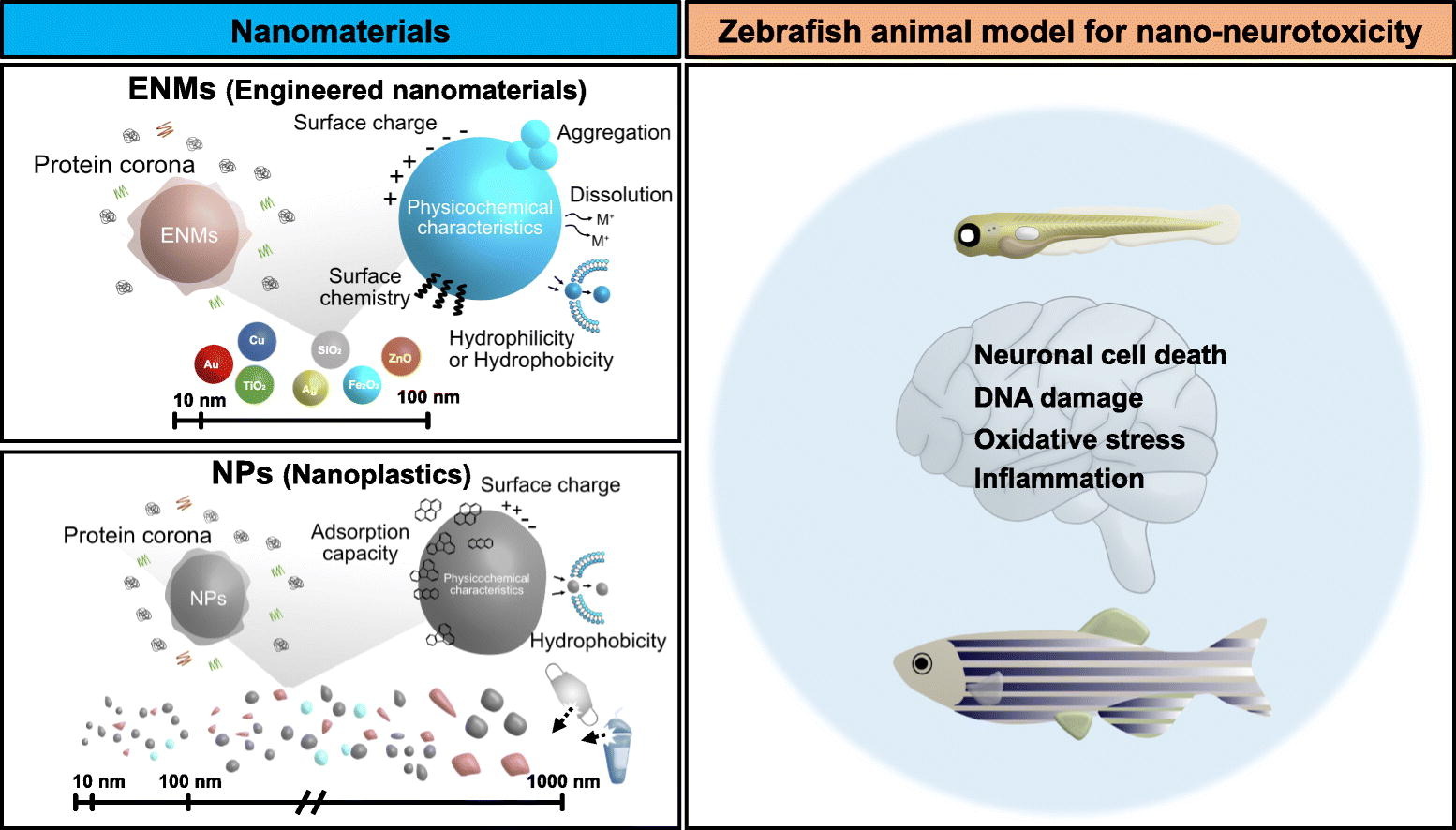
Nanomaterials including engineered nanomaterials and nanoplastics emerge as new pollutants to the ecosystem. In particular, studies on the adverse effects of nanomaterials on the brain are limited.
Various animal models offer opportunities to evaluate neurological effects of nanomaterials. We summarize recent studies and key findings on neurotoxicological effects of nanomaterials, focusing on zebrafish.