International Moon Day 2026
International Moon Day 2026
Honoring a Legacy, Inspiring the Future
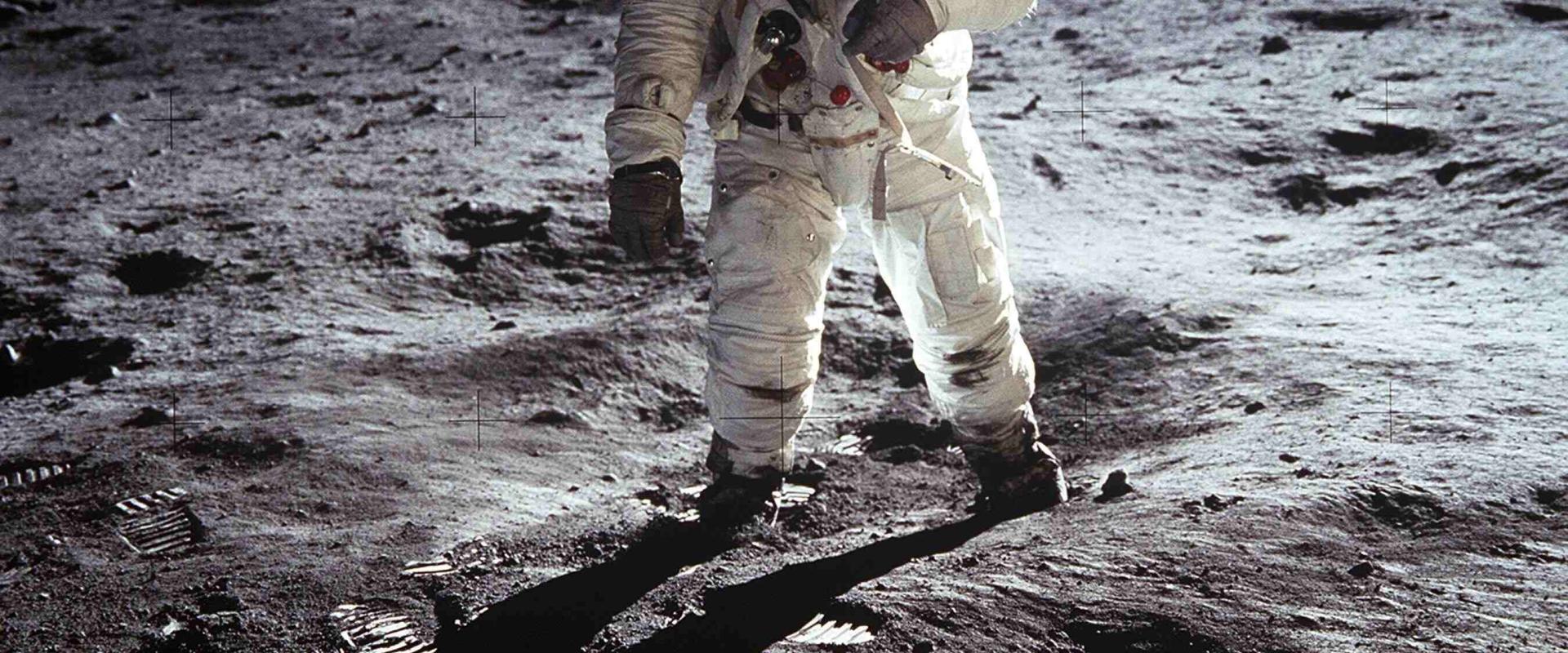
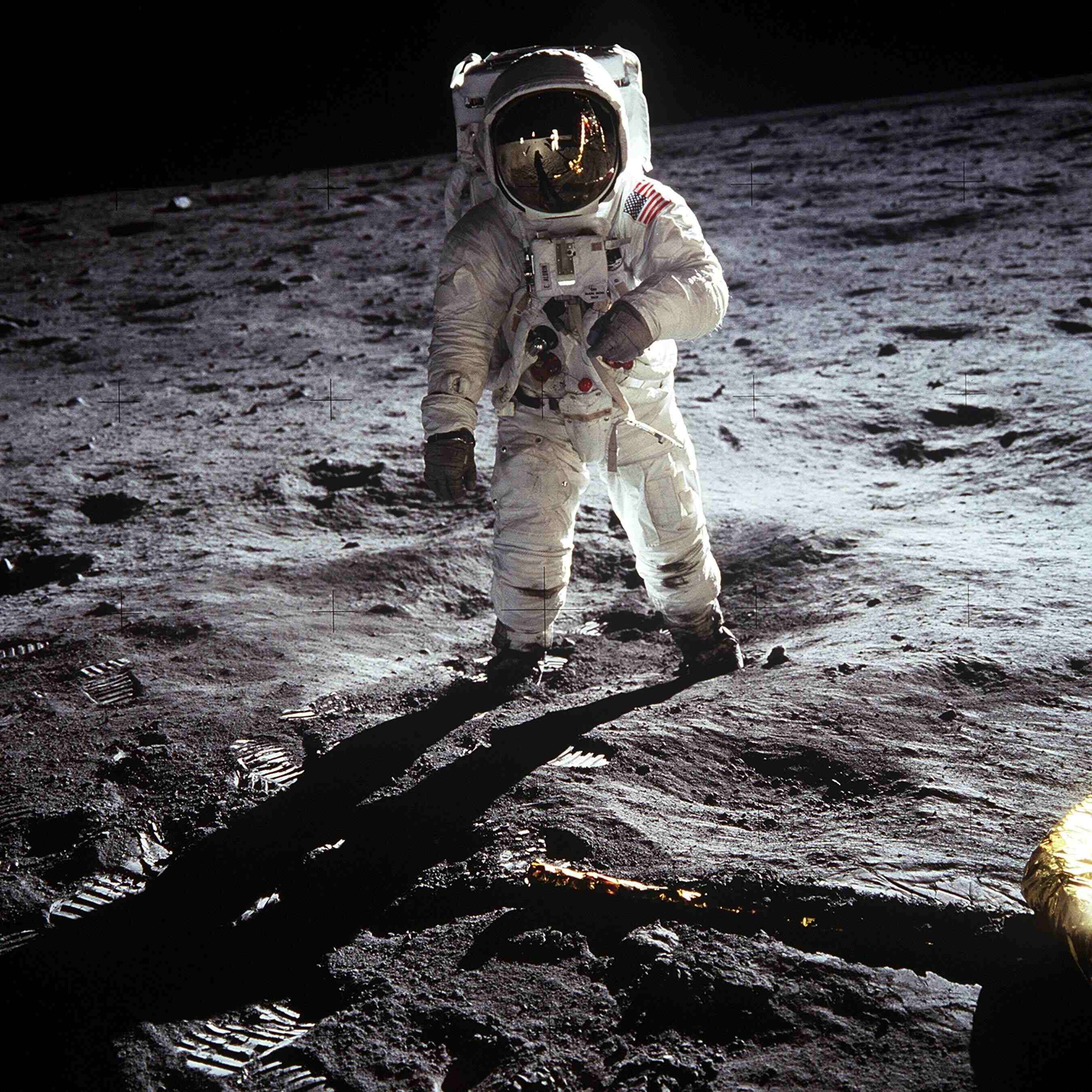
International Moon Day is observed each year on July 20, commemorating the first human landing on the Moon during NASA’s Apollo 11 mission in 1969. Proclaimed by the United Nations General Assembly in resolution A/RES/76/76, the day celebrates global achievements in lunar exploration and promotes inclusive cooperation in the peaceful use of outer space.
Why International Moon Day Matters
For millennia, the Moon has inspired human curiosity and innovation. From ancient sky-watching to telescope-based studies, the Moon has remained a central focus of astronomical inquiry. In the modern era, it became the stage for a defining human accomplishment: leaving Earth and walking on another celestial body.
International Moon Day shines a spotlight on:
The historical significance of lunar exploration
Current advancements in sustainable Moon missions
The importance of international cooperation in space activities
The peaceful use of outer space as a global common good
As lunar missions become more frequent and collaborative, the observance also encourages public interest in space science and inspires new generations to reach for the stars.
Milestones and Achievements
Moon exploration has come a long way since 1969. Key developments include:
Crewed missions that brought humans to the Moon and back
Satellite mapping and remote sensing revealing the Moon’s structure
Uncrewed robotic landers and rovers collecting lunar samples
International partnerships like the Artemis Accords promoting shared lunar goals
As of 2026, Moon exploration is a joint effort, with countries and agencies worldwide contributing to scientific missions, orbital infrastructure, and lunar surface technologies.
UN and Outer Space
Since the dawn of the Space Age, the United Nations has worked to ensure that outer space remains a domain for peaceful cooperation and shared benefit.
Key initiatives include:
The Outer Space Treaty (1967) — laying down legal frameworks for space activity
UNOOSA — the United Nations Office for Outer Space Affairs, which facilitates international dialogue and legal coordination
COPUOS — the Committee on the Peaceful Uses of Outer Space, the primary UN forum for multilateral space cooperation
These bodies support transparent space governance, access to space technologies for developing countries, and responsible behavior among spacefaring nations.
International Moon Day and the Sustainable Development Goals
Space technologies, including those developed through Moon missions, support progress on the 2030 Agenda for Sustainable Development. Connections to the Sustainable Development Goals (SDGs) include:
Goal 4: Quality Education – Promoting STEM education through space science
Goal 9: Industry, Innovation and Infrastructure – Advancing aerospace technologies=
Goal 13: Climate Action – Using satellite data to monitor Earth systems
Goal 17: Partnerships for the Goals – Encouraging collaboration in outer space activities
Observance of International Moon Day 2026
The 2026 campaign is expected to focus on equitable access to lunar exploration and building momentum for global cooperation. Planned activities include:
United Nations Headquarters Event – Experts, astronauts, and youth representatives discuss the future of lunar science and sustainability
Educational Outreach – Classroom resources, video lectures, and virtual tours of Moon missions
Public Exhibits and Space Festivals – Events in space agencies, science museums, and observatories around the world
Social Media Campaigns – Infographics, stories, and trivia on Moon science and history
How to Get Involved
Everyone can take part in International Moon Day by:
Hosting or attending science education events
Sharing verified resources on space cooperation and Moon facts
Promoting peaceful space policies and sustainability
Encouraging students to pursue careers in STEM fields
On July 20, 2026, the world will once again look up and reflect on what it means to reach beyond our planet. To honor past triumphs and support future missions that unite, inspire, and benefit all of humanity.
International Moon Day Themes
| Year | Theme | Description |
|---|---|---|
| 2022 | Lunar Exploration, Coordination & Sustainability | Marked the first International Moon Day and promoted responsible, sustainable exploration in honor of the Moon landing anniversary. |
| 2023 | Beginning the New Lunar Journey for Humanity | Emphasized global cooperation, sustainability, public education, and the importance of a unified future in lunar development. |
| 2024 | Illuminating the Shadows | Focused on upcoming missions to the lunar south pole, shedding light on previously unexplored regions and advancing discovery. |
| 2025 | One Moon, One Vision, One Future | Celebrated the Moon as a unifying symbol of shared progress, emphasizing humanity's joint commitment to exploration and cooperation. |
Connection to the Sustainable Development Goals
International Moon Day 2026 supports the United Nations Sustainable Development Goals by promoting science education, technological innovation, climate research, and international cooperation in outer space activities.
SDG 4: Quality Education – Encourages STEM learning and inspires students worldwide through space science and lunar exploration programs.
SDG 9: Industry, Innovation, and Infrastructure – Advances aerospace engineering, satellite systems, and research technologies that strengthen global infrastructure.
SDG 13: Climate Action – Space-based technologies developed through lunar and orbital missions support Earth observation and climate monitoring.
SDG 17: Partnerships for the Goals – Promotes international collaboration in space exploration through shared missions, agreements, and research initiatives.
How the Event Is Observed
International Moon Day 2026 is observed through educational programs, scientific discussions, public exhibitions, and global awareness campaigns organized by the United Nations, space agencies, research institutions, and educational organizations.
Activities may include panel discussions at United Nations Headquarters, astronaut presentations, museum exhibits, classroom outreach programs, and digital campaigns highlighting lunar history and future missions.
The observance emphasizes peaceful cooperation in outer space and encourages inclusive participation in space science and exploration.
Key Facts at a Glance
Date: 20 July 2026
Established by: United Nations General Assembly
UN Resolution: A/RES/76/76 (2021)
Commemorates: Apollo 11 Moon landing (1969)
Coordinating bodies: UNOOSA and COPUOS
Primary focus: Peaceful lunar exploration and international cooperation
Frequently Asked Questions – International Moon Day 2026
What is International Moon Day?
It is a United Nations-recognized international observance held annually on July 20 to commemorate the first human landing on the Moon and promote peaceful space exploration.
Why is July 20 significant?
July 20 marks the anniversary of the Apollo 11 Moon landing in 1969, when humans first set foot on the lunar surface.
Who established International Moon Day?
The United Nations General Assembly established the observance in 2021 through Resolution A/RES/76/76.
How does Moon exploration benefit Earth?
Technologies developed for lunar missions contribute to satellite communications, climate monitoring, scientific research, and technological innovation that benefit society.
Which UN bodies support peaceful space cooperation?
The United Nations Office for Outer Space Affairs (UNOOSA) and the Committee on the Peaceful Uses of Outer Space (COPUOS) facilitate international dialogue and cooperation.
References
United Nations General Assembly. “Resolution A/RES/76/76.”
https://undocs.org/A/RES/76/76
United Nations Office for Outer Space Affairs. “International Moon Day.”
https://www.unoosa.org